
What Most Home Buyers Skip — and Why It Matters
You found the home. You made the offer. Now comes the inspection. Most buyers check the roof, the HVAC, the windows. But there are two tests that many people skip — and those two tests can save your health and your wallet.
I’m talking about radon testing and sewer scope inspections. Both are cheap compared to what they protect you from. Yet most buyers never ask for them until it’s too late.
In this guide, I’ll walk you through exactly what these tests are, what they cost, and why skipping them could be one of the biggest mistakes of your home purchase.
What Is Radon and Why Should You Care?
Radon is a radioactive gas. You can’t see it. You can’t smell it. You can’t taste it. It forms naturally when uranium breaks down in the soil beneath homes. And it can seep into your house through cracks in the foundation, gaps around pipes, and crawlspaces.
Here’s the scary part. Breathing radon over time can cause lung cancer. It’s not a small risk. The U.S. Surgeon General has warned that radon is the second leading cause of lung cancer in the United States. Only smoking causes more.
According to the U.S. Environmental Protection Agency (EPA), radon causes about 21,000 lung cancer deaths every year. It affects 1 in every 15 homes in America at dangerous levels.
How Radon Gets Into Your Home
Radon comes up from the ground. It enters homes through:
- Cracks in concrete floors and walls
- Gaps around pipes and utility lines
- Construction joints
- Sump pit openings
- Crawlspaces that are not sealed
Once it enters a tightly sealed, modern home, it builds up. That buildup is what makes it dangerous. Older homes, newer homes, big homes, small homes — radon has been found in all of them in all 50 states.
When I help buyers prepare for their home purchase, I always tell them the same thing: don’t assume your home is safe just because the neighborhood looks fine or the house is new. Radon levels vary house to house, even in the same neighborhood.
What Is a Safe Radon Level?
The EPA has set an action level of 4 pCi/L (picocuries per liter). At this level or above, you need to take action to reduce radon. But the EPA also says you should consider fixing your home even if levels are between 2 and 4 pCi/L, because there is no truly safe level of radon exposure.
The good news? Radon problems are fixable. A radon mitigation system can bring levels down quickly. Installation typically takes one day and costs between $1,200 and $2,500, according to industry data. That’s a small price compared to the health risks.
Should You Test for Radon Before Buying a Home?
Yes. Absolutely. It should not be optional.
According to the American Lung Association, asking whether a home has been recently tested for radon should be at the top of every buyer’s list. Radon levels can change over time — weather, temperature, and even minor structural changes affect them.
Even if the seller provides a past test, levels may have changed. The EPA recommends testing homes every two to five years. If the last test was years ago, request a new one.
How Radon Testing Works During a Home Purchase
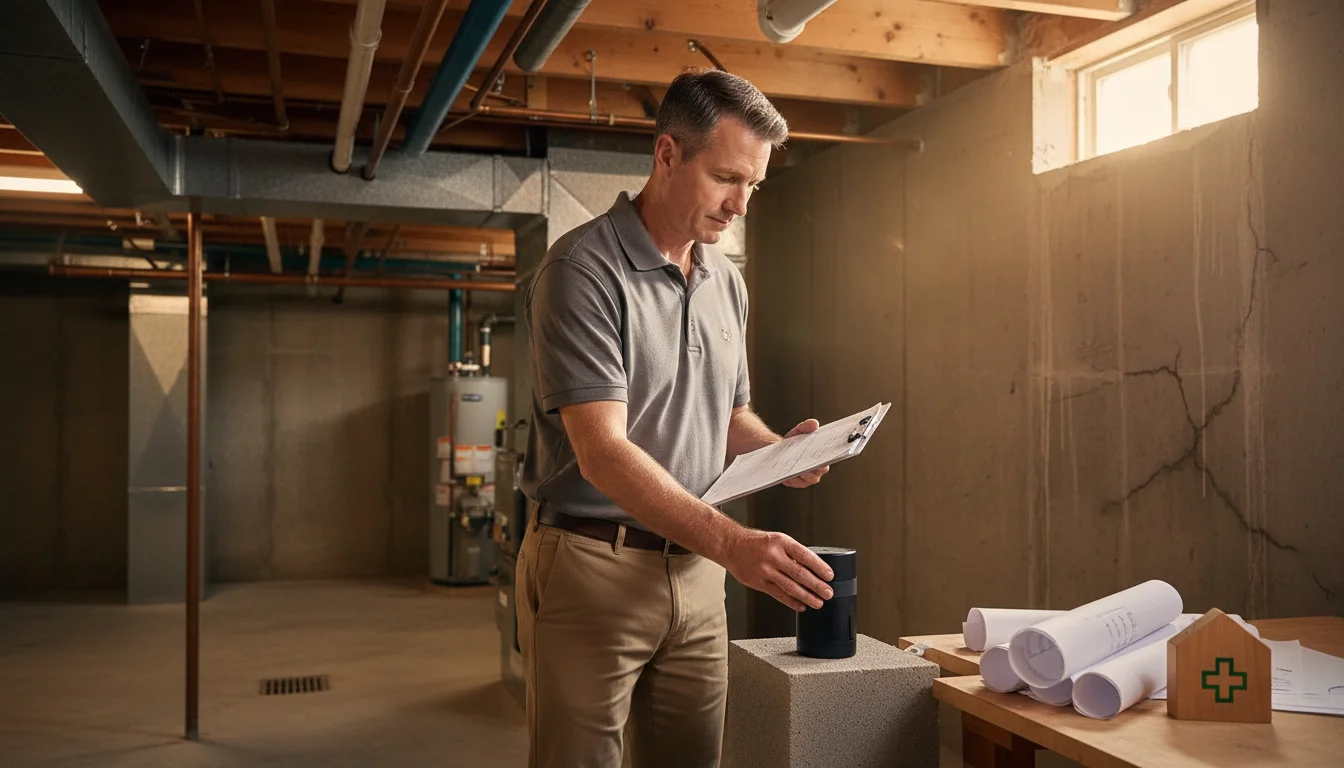
Testing is simple. A short-term test takes 2 to 7 days. A professional inspector places a device in the lowest livable area of the home — usually the basement or first floor — and lets it collect air samples.
The results come back quickly. If levels are above 4 pCi/L, you have options as a buyer:
- Ask the seller to install a radon mitigation system before closing
- Negotiate a price reduction to cover your mitigation costs
- Walk away from the deal if the seller refuses to act
Sellers must often disclose if they’ve tested for radon in many states. But disclosure laws vary. Don’t wait for the seller to bring it up. Ask for the test yourself.
What Is a Sewer Scope Inspection?
Now let’s talk about the other test most buyers skip: the sewer scope inspection.
A standard home inspection checks the visible stuff. Walls, windows, roof, HVAC, plumbing fixtures. But it doesn’t check what’s underground. That’s where a sewer scope comes in.
A sewer scope is a video inspection of your home’s main sewer line. A professional inserts a small waterproof camera on a flexible cable into the cleanout drain. The camera travels through the pipe all the way to the city connection. Everything is recorded live.
According to Redfin, a sewer scope detects hidden sewer line damage that a standard inspection simply cannot find. And the cost to repair sewer lines can range from a few thousand to tens of thousands of dollars.
What Problems Can a Sewer Scope Find?
Here’s what inspectors commonly find during a sewer scope:
- Tree root intrusion — roots grow into pipes and cause blockages and breaks
- Pipe cracks or fractures — especially in older clay or cast iron pipes
- Pipe belly or sagging — low spots where waste collects and builds up
- Pipe collapse — completely failed sections that require full replacement
- Grease or debris buildup — serious clogs that will only get worse
- Joint separation — pipe sections that have pulled apart underground
None of these problems are visible from the surface. You could move into your dream home and find out two months later that the sewer line needs a full replacement. That’s a nightmare no one wants.
How Much Does a Sewer Scope Cost?
A sewer scope inspection typically costs between $125 and $400, depending on your location and the property’s layout. Some inspectors bundle it with a full home inspection for a discount.
Compare that to what you could be walking into if you skip it. Sewer line repairs can easily run $2,500 to $20,000 or more. A full replacement in the street can exceed $20,000. The $300 you spend on a sewer scope is one of the best investments you can make in the home buying process.
Radon Testing vs. Sewer Scope: A Quick Comparison
Here’s a simple breakdown of both tests side by side:
| Test | What It Checks | Cost | Repair Cost if Problem Found |
|---|---|---|---|
| Radon Testing | Radioactive gas levels in home air | $100–$300 | $1,200–$2,500 (mitigation system) |
| Sewer Scope Inspection | Underground sewer line condition | $125–$400 | $2,500–$20,000+ (line repair/replacement) |
Both tests are fast, affordable, and could save you from a very costly or dangerous situation after you move in.
When Should You Request These Tests?
Request both tests during your home inspection period. This is the window after your offer is accepted when you can investigate the property before committing fully. Most buyers have 7 to 14 days for inspections, depending on the contract.
Here’s who should always get both tests:
- Anyone buying a home built before 1980
- Buyers in high-radon zones (check EPA’s radon zone map)
- Homes with large trees near the sewer line
- Properties with a basement or crawlspace
- Anyone who has never had a radon test on the home
- Buyers who want real peace of mind before closing
If you’re going through the full home buying process for the first time, I recommend reading our First-Time Home Buyer Guide for 2026 to understand all the steps — including inspections — before you make an offer.
What Happens if Tests Show a Problem?
Finding a problem is not the end of the world. It’s actually the whole point. You want to know before you buy, not after.
If Radon Is High
You can ask the seller to install a mitigation system before closing. If they refuse, you can negotiate a credit to cover your installation costs. In most cases, sellers prefer to fix the problem rather than lose the deal. Once a mitigation system is installed and verified, radon levels drop significantly — often to safe levels within days.
If the Sewer Scope Finds Damage
You have three options. First, request that the seller fix the sewer line before closing. Second, negotiate a price reduction that covers the repair cost. Third, if the damage is severe and the seller won’t budge, you can walk away.
Knowing what’s under the ground gives you real power in the negotiation. A buyer who skips the sewer scope gives up that power entirely.
If you’re weighing whether to continue with a purchase or walk away from a property with major issues, it helps to understand your options. Our page on selling your property covers how property transactions work from both sides, which can help you make a smarter decision.
Don’t Let Cost Stop You From Getting These Tests
Some buyers hesitate because they’re already spending so much on the home purchase. I get it. But consider the math. You might spend $400 total on a radon test and a sewer scope. That’s less than 0.1% of the price on a $400,000 home.
But a radon problem discovered after moving in could affect your family’s health for years. A failed sewer line discovered after closing could cost you $10,000 or more. The upfront cost is tiny. The protection is massive.
Tips for Scheduling These Tests
- Request both tests the same day as your standard home inspection to save time
- Ask your home inspector if they offer radon testing and sewer scoping — many do both
- If bundling isn’t available, hire a separate radon specialist and a plumbing inspector
- Get test results in writing before your inspection contingency deadline expires
- Review results with your real estate agent before deciding how to proceed
Ready to move forward with your home purchase and want guidance on what steps come next? Contact us — we work with buyers at every stage and can help you avoid the most common mistakes.
Conclusion
Radon testing and sewer scope inspections are two of the most important and most underused tools in the home buying process. Radon is invisible and odorless but deadly. Sewer problems are underground and silent but financially devastating. Both tests are affordable. Both tests are fast. And both can save you from a situation that is far more expensive and stressful than the cost of the test itself.
If you are buying a home right now, add these tests to your inspection list. Don’t skip them. Don’t assume the home is fine. Get the test, get the data, and make your decision from a place of knowledge. That’s what smart buyers do.
For more information on protecting your investment, check out our post on how to calculate cap rates for investment property — because protecting value starts with knowing what you’re buying.
Frequently Asked Questions
Is radon testing required when buying a home?
Radon testing is not required by law in most states, but it is strongly recommended by the EPA and the U.S. Surgeon General. As a buyer, you can request a radon test during the inspection period. If levels come back at 4 pCi/L or higher, you can negotiate with the seller to install a mitigation system or reduce the sale price.
What level of radon is dangerous in a home?
The EPA action level is 4 pCi/L. At this level, the EPA recommends taking steps to reduce radon. Many health experts say you should consider action at 2 pCi/L or above, since there is no completely safe exposure level. Mitigation systems are effective and can bring levels down quickly.
How long does a sewer scope inspection take?
A sewer scope inspection typically takes between 30 and 60 minutes from start to finish. The camera inspection itself only takes 5 to 10 minutes. After that, the inspector reviews the footage and provides a report or video of the findings for you to use in negotiations.
Can a new home have radon or sewer problems?
Yes. Radon has been found in homes of every age and type, including new construction. New homes can also have sewer line issues from improper installation, ground settling, or construction debris in the lines. Never assume a new home is automatically safe. Always test.
Who pays for radon mitigation — the buyer or the seller?
This is negotiable. In most transactions, the buyer requests that the seller install the mitigation system or provide a price reduction to cover the cost. Sellers are often willing to cooperate because fixing the problem is cheaper than losing the sale. Your real estate agent can help you negotiate this effectively.