
If you’ve ever seen the words pre-foreclosure and foreclosure used interchangeably, you’re not alone. Most people think they mean the same thing. They don’t. Understanding the difference can change the outcome for both homeowners trying to save their property and buyers looking for a deal.
What Is Pre-Foreclosure?
When Pre-Foreclosure Starts
Pre-foreclosure begins when a homeowner misses several mortgage payments — typically around 90 days — and the lender sends a formal Notice of Default (NOD). This is the lender’s way of saying: “You’re behind, and if nothing changes, we will take action.”
At this point, the homeowner still owns the property. The bank hasn’t taken it. There’s still time to fix the problem — either by catching up on payments, selling the home, or working out a deal with the lender. Pre-foreclosure is the warning stage, not the end.
What Homeowners Can Do During Pre-Foreclosure
This is the window of opportunity. Homeowners in pre-foreclosure have several paths available to them:
- Reinstatement: Pay all missed payments plus late fees to bring the loan current
- Loan modification: Work with the lender to lower your monthly payment or change the loan terms
- Refinancing: Replace the current loan with a new one that’s more affordable
- Forbearance: Ask the lender to pause payments temporarily while you recover
- Short sale: Sell the home for less than you owe, with lender approval
- Sell to a cash buyer: Get a fast sale that pays off the loan and avoids foreclosure entirely
The smartest move I’ve seen from homeowners in this stage is selling to a cash buyer quickly. It clears the debt, protects their credit from a full foreclosure hit, and gives them money to start fresh. If that’s where you are right now, contact us today for a fast, no-obligation cash offer.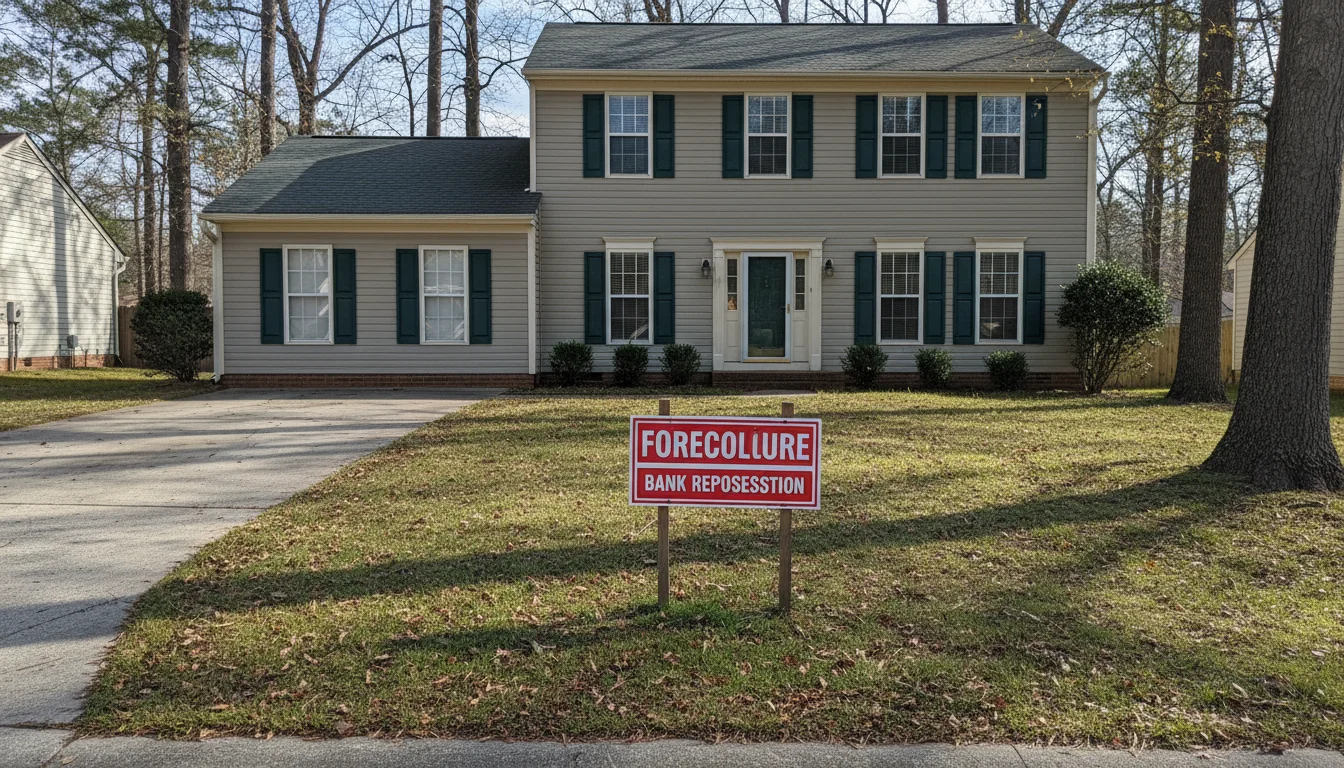
What Is Foreclosure?
When Foreclosure Officially Happens
Foreclosure is what happens when the homeowner couldn’t resolve the default during the pre-foreclosure stage. The lender moves forward legally and takes ownership of the property. The home is then sold — either at a public foreclosure auction or as a bank-owned REO (Real Estate Owned) property.
Once foreclosure is complete, the homeowner loses all rights to the property. The lender (or the winning bidder at auction) owns it. In many states, the former owner can be evicted if they haven’t already moved out.
How Foreclosure Damages Your Financial Life
Foreclosure is one of the most damaging events that can happen to your credit score. It typically drops your score by 100–150 points or more and stays on your credit report for up to 7 years. That means higher interest rates on future loans, difficulty renting, and in some cases, problems getting certain jobs.
There’s also the financial loss itself. If your home is foreclosed and sold at auction for less than you owe, the lender in some states can pursue a deficiency judgment against you for the difference. You could lose the home and still owe money afterward.
According to the Consumer Financial Protection Bureau (CFPB), homeowners facing foreclosure should contact their loan servicer as early as possible to discuss available options, since the earlier you act, the more options you have.
Pre-Foreclosure vs Foreclosure: Side-by-Side
Key Differences for Homeowners
| Factor | Pre-Foreclosure | Foreclosure |
|---|---|---|
| Who owns the home? | Homeowner still owns it | Lender or auction buyer |
| Can you sell? | Yes — you control the sale | No — you’ve lost control |
| Credit impact | Moderate (missed payments) | Severe (100–150+ point drop) |
| Time to act | 90 days or more typically | Process already complete |
| Options available | Many — reinstate, sell, modify | Very few or none |
| Equity preserved? | Possibly — depends on sale price | Usually lost entirely |
Key Differences for Buyers
If you’re a buyer, the two stages offer very different opportunities. In pre-foreclosure, you deal directly with the homeowner who is motivated to sell. The home is usually still occupied and in better condition than a vacant, bank-owned property. Prices are negotiable and you can often arrange a regular inspection.
In foreclosure (especially auctions), homes sell as-is with no inspection allowed, no seller’s disclosure, and payment is usually required in cash. It’s higher risk, but the discount can be bigger. REO properties (post-auction, bank-owned) are more accessible — you can get an inspection, use financing, and deal with the bank directly.
How to Avoid Foreclosure: Real Options That Work
Act Early — Before You Receive a Notice of Default
The best time to deal with financial trouble is before it becomes a legal problem. If you’ve missed one or two payments but haven’t received a formal notice, call your lender now. Most lenders would rather work out a payment plan than go through the expensive and time-consuming foreclosure process.
Banks don’t want your house. They want their money back. That means they’re often open to loan modifications, temporary forbearance, or other solutions — if you reach out early and communicate honestly.
Selling Fast Is Often the Best Move
If you know you can’t keep up with payments and the home can’t be saved, selling fast during the pre-foreclosure stage is almost always better than waiting for the bank to take over. You keep control, you may walk away with equity, and your credit takes a much smaller hit than a full foreclosure.
A cash home buyer can close in as little as 7–14 days — which is often fast enough to beat a looming foreclosure deadline. You don’t need to make repairs, clean the home, or do showings. You just sell and move on.
Learn more about selling a distressed property fast as an alternative to foreclosure. It’s a path many homeowners don’t realize they have until it’s almost too late.
What Happens to Your Credit in Each Scenario
Credit Impact Comparison
This is one of the biggest reasons to act during pre-foreclosure rather than letting it go all the way. Here’s how each scenario affects your credit:
- Missed payments (pre-foreclosure start): 30–90 point drop per late payment, depending on your starting score
- Short sale or deed-in-lieu: 75–150 point drop, removed from report after 7 years
- Foreclosure: 100–150+ point drop, stays on credit report for 7 years, makes future mortgage approval very difficult
The difference between a short sale and a foreclosure on your credit report can mean the difference between qualifying for a new mortgage in 2–3 years versus waiting 5–7 years. That’s a real impact on your life.
Getting Help Before It’s Too Late
If you’ve received a Notice of Default or are close to missing your third payment, now is the time to get help. Talk to a HUD-approved housing counselor for free guidance. Reach out to your lender. And consider whether selling quickly makes more sense than fighting a process that may not have a good ending.
According to the U.S. Department of Housing and Urban Development (HUD), free or low-cost housing counseling is available to all homeowners at risk of foreclosure, and counselors can help you understand every option before making a decision.
You can also read more about the common situations that lead homeowners into financial difficulty — understanding the patterns can help you plan ahead and avoid the worst outcomes.
Conclusion
Pre-foreclosure and foreclosure are two very different situations with very different outcomes. Pre-foreclosure is where you still have choices. Foreclosure is where most of those choices are gone. Whether you’re a homeowner trying to avoid losing your home or a buyer looking for an opportunity — understanding this difference is the first step to making the right move. If you’re currently in pre-foreclosure and want to explore a fast cash sale, contact us today and we’ll help you understand your options with no pressure and no obligation.
Frequently Asked Questions
How long does pre-foreclosure last?
Pre-foreclosure typically begins after 90 days of missed payments and can last several months to over a year, depending on the state and lender. Some states have longer legal timelines, giving homeowners more time to act before the property goes to auction.
Can I sell my home during pre-foreclosure?
Yes. Selling during pre-foreclosure is one of the best options available. Since you still own the home, you control the sale. A cash buyer can close fast enough to pay off the lender and potentially let you walk away with some equity.
What is the difference between pre-foreclosure and short sale?
A short sale is one option that can happen during pre-foreclosure. It means the lender agrees to let you sell the home for less than what you owe. It requires lender approval and can take months to complete. A cash sale to a buyer is usually faster and doesn’t require lender permission if you owe less than the home’s value.
Does pre-foreclosure always lead to foreclosure?
No. Many homeowners successfully resolve pre-foreclosure by catching up on payments, getting a loan modification, or selling the property. Pre-foreclosure only becomes foreclosure if no action is taken and the lender moves forward with the legal process.
How does foreclosure affect my ability to buy a home in the future?
A foreclosure on your credit report typically requires a waiting period of 3–7 years before you can qualify for a conventional mortgage. FHA loans may be available after 3 years. This is one of the strongest reasons to resolve the situation during the pre-foreclosure stage if at all possible.