
I remember the first time I walked into a building that had a coffee shop on the ground floor, offices on the second, and apartments on the top three floors. I thought — who owns this? Because whoever does is collecting rent from three completely different types of tenants. That’s the beauty of mixed-use zoned properties. Done right, it’s one of the most resilient ways to invest in real estate.
What Are Mixed-Use Zoned Properties?
A mixed-use property is exactly what it sounds like — a single development that combines two or more types of spaces. That usually means some mix of residential units, retail space, office space, and sometimes hospitality or recreation. Think of a downtown building with shops on the ground floor and apartments above. That’s mixed-use.
The zoning laws in a given area determine what you can and can’t build. Mixed-use zoning specifically allows developers to combine these different uses within one building or development. As cities grow and urban planning evolves, more municipalities are embracing this model as a way to reduce car dependency, create walkable neighborhoods, and boost local economies.
According to Rocket Mortgage, mixed-use developments range from single buildings to entire neighborhoods, and they’re typically designed around a specific environment that blends living, working, and shopping.
Types of Mixed-Use Developments
Not all mixed-use is the same. There are two main structures you’ll encounter:
Vertical mixed-use means different uses are stacked on top of each other in one building. Ground-floor retail, middle floors for offices, top floors for apartments. This is very common in cities where land is expensive and space is at a premium.
Horizontal mixed-use spreads different uses across a wider area — like a planned community with townhomes next to shops and a park. Less dense, but still integrated. You see this more in suburban areas where land is cheaper and layouts can breathe a bit.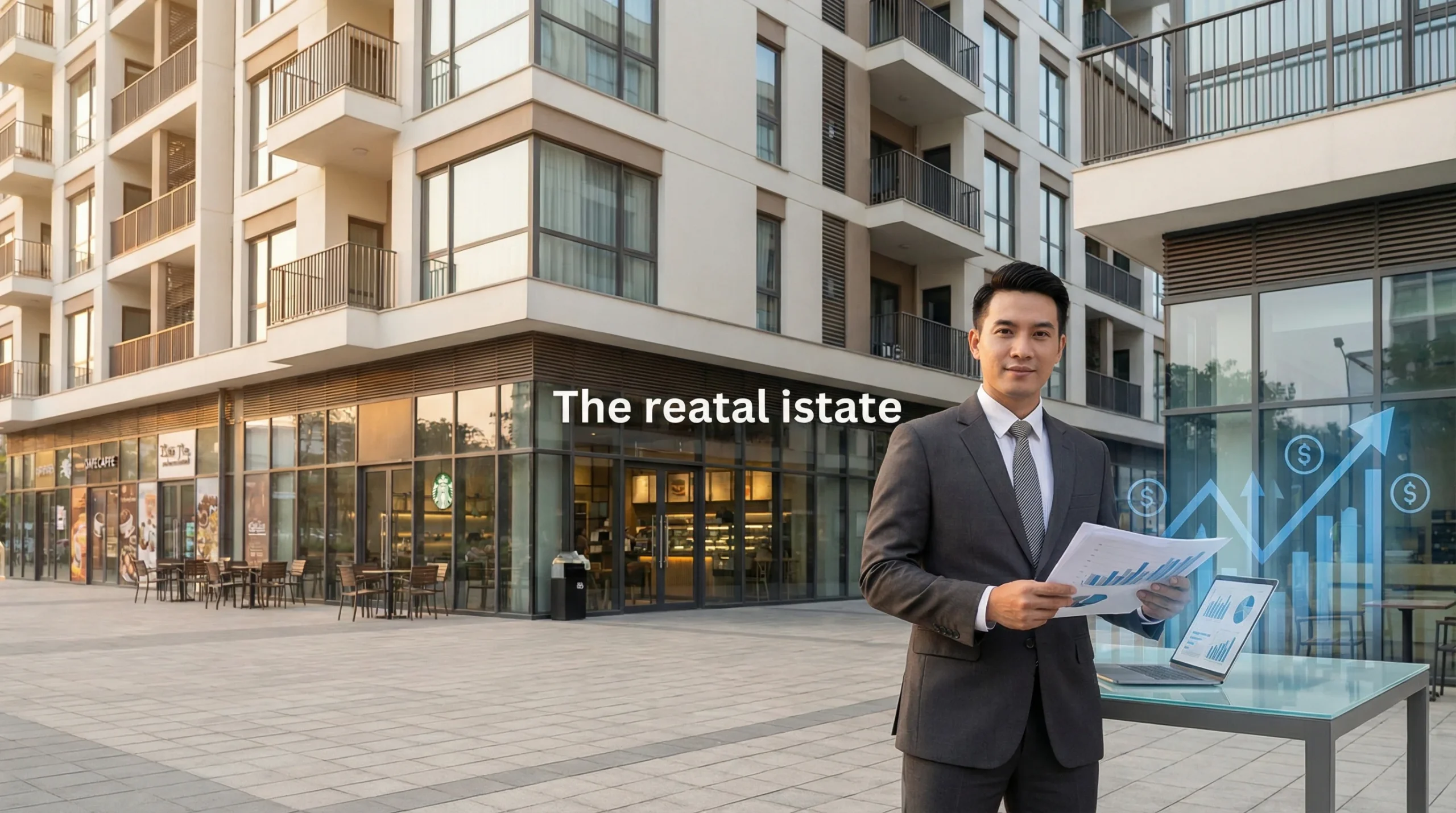
Why Invest in Mixed-Use Properties?
Here’s the honest truth: single-use properties are vulnerable. If you own a strip mall with only retail tenants and the retail market softens, your income takes a direct hit. Mixed-use properties spread that risk across different tenant types who respond differently to economic shifts.
When the office market slows down, your residential tenants are still paying rent. When e-commerce puts pressure on retail, your ground-floor coffee shop serving local residents is still full. That diversification is what makes mixed-use investments attractive to serious investors.
Key Benefits of Mixed-Use Property Investment
Here’s what makes these properties stand out:
- Diversified income streams: Revenue from residential, retail, and office tenants means you’re not dependent on one market sector
- Higher property values: Mixed-use buildings in prime urban areas often appreciate faster than single-use properties
- Lower vacancy risk: Multiple tenant types reduce the chance of an empty building
- Commercial tenants pay longer: Businesses sign longer leases than residents and tend to maintain spaces better
- Premium rental rates: Commercial rates can be 6–12% of purchase price, adding to overall returns
- Sustainability appeal: Walkable, compact developments attract environmentally conscious tenants and buyers
According to J.P. Morgan, mixed-use properties may provide diversification in income, cash flow stability, a hedge against softening real estate sectors, and a strategy to manage rollover risk. That’s coming from one of the most respected financial institutions in the world — not a bad endorsement.
Challenges of Investing in Mixed-Use Properties
Honestly? Mixed-use is not for everyone. The rewards are real, but so are the headaches. I’ve talked to investors who loved the income diversification but didn’t fully account for the complexity of managing different types of tenants under one roof.
The upfront cost is higher. You’re not just buying an apartment building or a retail strip — you’re buying both, often in a single deal. Financing can be trickier too. Lenders who specialize in residential loans don’t always handle mixed-use well, and commercial lenders may require larger down payments and use different underwriting criteria.
Common Challenges to Plan For
Here’s a breakdown of what investors typically run into:
| Challenge | Why It Matters | How to Manage It |
|---|---|---|
| Complex zoning approvals | Permits can be slow and local rules vary widely | Work with a local attorney and experienced developer |
| Higher upfront cost | More expensive to buy and build than single-use | Factor in ROI from multiple income streams |
| Tenant mix conflicts | Residential and commercial tenants have different needs | Plan layouts carefully and set clear lease terms |
| Multiple property managers | May need separate managers for commercial vs. residential | Hire experienced mixed-use management firms |
| Financing complexity | Lenders may require higher down payments | Work with lenders who specialize in mixed-use |
One thing I tell every investor looking at mixed-use: get very clear on the tenant mix before you buy. A yoga studio and a loud bar on the ground floor with families living above is not a happy combination. Complementary uses — like a grocery store or pharmacy below apartments — tend to work much better for everyone.
How to Evaluate a Mixed-Use Property Investment
When I look at a mixed-use property, the first thing I check is location. Not just “is it in a good city” — but is it in a neighborhood where people actually want to live AND work AND shop? If residents don’t want to be there, the retail fails. If the area lacks foot traffic, businesses struggle.
After location, I look at the current tenant mix, lease terms, occupancy rates, and the condition of the building. Then I look at local zoning regulations to understand what changes are or aren’t allowed in the future. A commercial tenant at ground level with a 10-year lease is very different from one that’s month-to-month.
Financing Options for Mixed-Use Investments
The right loan product depends heavily on what percentage of the property is residential versus commercial. If it’s primarily residential (say, 4 units up top with one small retail space), you may qualify for a standard residential mortgage. If commercial space makes up a larger share, you’ll likely need a commercial loan with different terms.
Here’s a quick guide:
- Primarily residential mixed-use: May qualify for FHA, conventional, or Fannie Mae loans with a reasonable down payment
- Mixed-use with significant commercial share: Usually requires a commercial loan — higher down payment (25–35%), shorter amortization, different qualification criteria
- Large-scale mixed-use developments: Often financed through construction loans, then converted to permanent commercial financing
Always get a loan pre-approval before making an offer on a mixed-use property. Surprises at the closing table are costly. If you’re new to this space, our guide on buying a home in 2026 is a helpful starting point. For more advanced strategy, check out our piece on multi-family home investing for beginners. You can also explore your options if you’re selling, or reach out to our team for personalized guidance.
According to Smartland, getting the most out of mixed-use properties takes well-thought-out planning, solid preparation, and an eye on local regulations. Investors willing to work through the details will find that mixed-use properties offer a great path to growth, resilience, and lasting success in today’s competitive real estate market.
Conclusion
Mixed-use zoned properties aren’t the easiest investment, but they’re among the most rewarding when done right. The combination of multiple income streams, lower vacancy risk, and strong demand in urban areas makes them a smart choice for investors who do their homework. Start with a strong location, understand the local zoning rules, be smart about your tenant mix, and make sure your financing is lined up before you act. If you get those pieces right, mixed-use real estate can be one of the most powerful additions to your portfolio.
Frequently Asked Questions
What is considered a mixed-use property?
A mixed-use property is any development that combines two or more types of space — typically some combination of residential, retail, office, or hospitality. A classic example is an apartment building with a grocery store or coffee shop on the ground floor.
Is mixed-use property a good investment?
Yes, for the right investor. Mixed-use properties offer diversified income, lower vacancy risk, and often stronger long-term appreciation. But they require more planning, higher upfront costs, and more complex management than single-use properties.
How is mixed-use property zoning determined?
Local governments set zoning laws that determine what uses are allowed in a given area. Mixed-use zoning designations permit combining residential and commercial uses in one development. Rules vary by city and county, so it’s important to check local ordinances before buying or building.
Can I get a mortgage on a mixed-use property?
Yes, but it depends on the ratio of residential to commercial space. If residential use is the primary component, you may qualify for a conventional or FHA loan. If commercial space dominates, you’ll typically need a commercial loan with different terms and a higher down payment.
What types of tenants work best together in a mixed-use building?
The best tenant mix is one where each use supports the others. Residential tenants benefit from nearby services like grocery stores, pharmacies, or coffee shops. Businesses benefit from the foot traffic that residents bring. Avoid uses that create noise or conflict during evening hours if families are living above.