
The Secret to Picking an Airbnb Property That Actually Makes Money
Most people think buying an Airbnb property is simple — just pick a nice-looking house, list it, and watch the money come in. That’s not how it works. I’ve seen investors pour money into the wrong property in the wrong city and barely break even. The difference between a good Airbnb investment and a great one comes down to a few key things most people skip.
Why Airbnb Investing Is Worth It (When Done Right)
Short-term rentals have become one of the most talked-about ways to make money in real estate. And the numbers back it up. For example, a one-bedroom apartment in Los Angeles that earns around $31,500 a year as a long-term rental can earn close to $46,000 as a short-term Airbnb rental — that’s roughly $16,000 more per year from the same property, according to data shared by Global Citizen Solutions.
That extra income is real. But it only happens when you pick the right property in the right place. That’s what this guide is about.
Short-Term Rentals vs. Long-Term Rentals: Which Wins?
Short-term rentals like Airbnb give you more money per night. Long-term rentals are more stable and require less work. Neither is bad — they’re just different goals. If you want higher rental income and can manage guests or hire a property manager, Airbnb is often the stronger play. If you prefer steady, low-maintenance income, a long-term tenant might be better.
Most of the investors I’ve talked to who do well on Airbnb say the same thing: it’s not passive. It takes work, but the cash-on-cash return can be worth it if you choose wisely from the start.
Step 1: Choose the Right Location
Location is everything in real estate. With Airbnb, it’s even more true. The wrong city can ruin your investment no matter how beautiful the property is.
What Makes a Location Great for Airbnb?
The best Airbnb locations share a few things in common. Look for areas with strong, year-round tourist demand, not just seasonal spikes. Think about cities that draw visitors for multiple reasons — beaches, music, sports, business events, or national parks. A place that’s only busy in summer will leave you with dead months and a stressed-out budget.
Here are the top factors that make a location Airbnb-friendly:
- High occupancy rates (ideally 60% or higher year-round)
- Strong average daily rate (ADR) that covers your costs
- Year-round demand from tourists, business travelers, or both
- Favorable short-term rental regulations — no strict permit caps or nightly limits
- Affordable property prices relative to the rental income potential
- Access to attractions: beaches, mountains, theme parks, music venues, convention centers
Best States for Airbnb Investment Right Now
According to data from LandHub’s 2025 Airbnb Investment Analysis, these states consistently rank among the best for short-term rental returns:
| State | Top Cities | Demand Driver | Regulation Level |
|---|---|---|---|
| Florida | Orlando, Miami, Tampa | Theme parks, beaches, year-round sun | Moderate |
| Tennessee | Nashville, Gatlinburg | Music, Smoky Mountains | Favorable |
| Texas | Austin, Dallas, Houston | SXSW, sports, business events | Favorable |
| Colorado | Breckenridge, Denver | Skiing, hiking, outdoor sports | Moderate |
| Arizona | Scottsdale, Phoenix | Golf, luxury resorts, events | Moderate |
| California | San Diego, Los Angeles | Beaches, weather, tourism | Strict in some cities |
Step 2: Know Your Numbers Before You Buy
I’ve seen people fall in love with a property and skip the math. That’s how you end up losing money every month while still paying a mortgage, cleaning fees, and platform costs. Numbers first, emotions second.
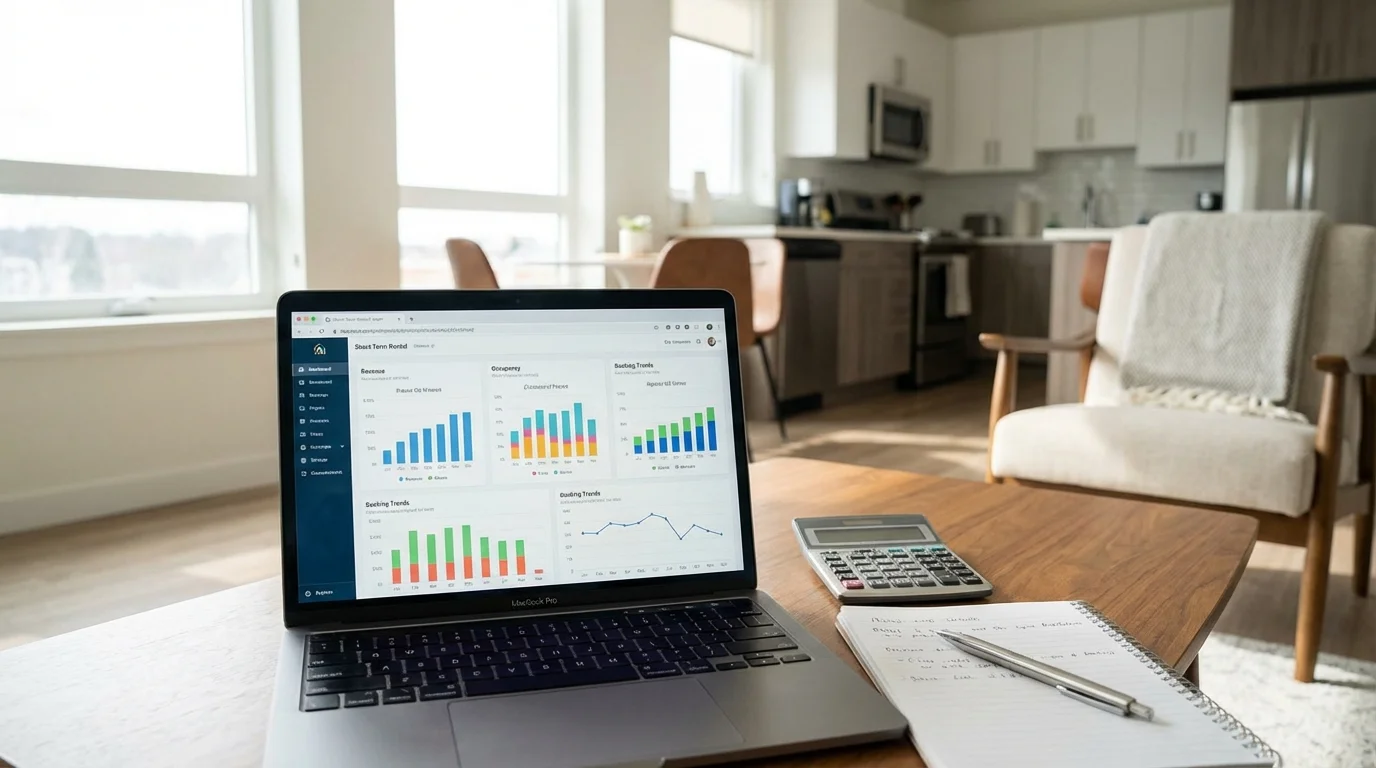
Key Financial Metrics Every Airbnb Investor Must Understand
Before you make any offer, you need to calculate these numbers clearly:
Cap Rate — Divide your net operating income by the property’s purchase price. Aim for 8% or higher for a solid Airbnb investment. Anything below 5% deserves a hard second look.
Cash-on-Cash Return — This tells you how much annual cash flow you earn compared to how much cash you actually put in (down payment, closing costs, furnishings). This is the number most experienced Airbnb investors use first.
Gross Rental Yield — Total expected annual rental income divided by the property price. Use this for a quick first filter before diving deeper.
Your budget should also account for one-time startup costs: furnishings, photography, Airbnb setup, and any repairs. And ongoing costs: cleaning fees, property management (usually 15–25% of revenue if you hire help), mortgage, insurance, and local taxes.
How to Research Airbnb Revenue Before Buying
Honestly, one of the smartest things you can do is look at what similar properties in the same neighborhood are actually earning — not what someone claims they might earn. Tools like AirDNA let you analyze occupancy rates, average daily rates, and revenue estimates for any market.
Look at the data for at least 12 months so you can see seasonality clearly. A ski town might look amazing in winter but dead in July. A beach town might peak in summer and slow down significantly in fall. You need the full picture before committing.
Understanding the buying process is just as important as picking the right property. Our guide on the escrow process step by step walks you through exactly what happens after you make an offer — something every new investor needs to know before closing on their first deal.
Step 3: Check Local Airbnb Regulations
This is the step most first-time investors skip — and it can cost them everything. Local laws around short-term rentals have been changing fast across the U.S.
How STR Laws Can Make or Break Your Investment
Cities like New York and some parts of California have strict rules that limit how many nights per year you can rent your property, require permits, and cap the total number of short-term rentals per area. Before you buy, you need to check the specific rules for that city, not just the state. State law and city law can be very different.
Here’s what to check before buying any Airbnb property:
- Does the city require a short-term rental permit or license?
- Is there a cap on how many nights per year you can rent?
- Are there any owner-occupancy requirements (meaning you must live there too)?
- What are the local occupancy taxes for short-term rentals?
- Are there HOA rules that ban Airbnb entirely?
Markets Where Regulations Are Friendlier for Investors
Tennessee and Texas generally offer much friendlier short-term rental rules compared to New York or San Francisco. Many smaller cities and suburban markets also tend to be more lenient, making them smart picks for investors who don’t want to fight red tape. The rule I always follow: check what’s already legal and operating in the area, not just what’s currently being proposed or debated.
Before you close on any investment property, it’s also smart to run a full property lien search to make sure there are no existing debts or claims tied to the title that could complicate your ownership or financing.
Step 4: Pick the Right Property Type
Not all properties perform equally on Airbnb. The type of home you buy has a big impact on who books it, how often, and at what price.
What Types of Properties Work Best as Airbnb Rentals?
Single-family homes with 2–4 bedrooms tend to perform very well because they appeal to families and groups who book for multiple nights. That means higher revenue per stay. One-bedroom apartments or studios work best in city centers where solo travelers and couples book short weekend trips.
Unique properties — like cabins, A-frames, lake houses, or homes with standout features like hot tubs, game rooms, or stunning views — often command premium nightly rates and attract more bookings. In 2025, travelers are specifically seeking properties with unique features, eco-friendly designs, and family-friendly amenities. If your property has something special, list it front and center.
New vs. Established Airbnb Markets: Where Should You Invest?
Established markets like Orlando or Nashville are proven — demand is there, but so is competition. Newer or emerging markets in suburban areas or smaller tourist towns sometimes offer better yields because property prices are lower and there are fewer competing listings.
According to Touchstay’s 2025 Airbnb Investment Guide, investors are finding better opportunities in suburban and rural areas where competition is lower and demand is growing — especially as more travelers look for quieter, more spacious stays away from crowded cities.
If you want personalized help evaluating a potential Airbnb property and making sure it fits your investment goals, reach out to our team and we’ll help you run the numbers.
Conclusion
Finding a profitable Airbnb investment property is not about luck. It’s about doing the homework that most investors skip. Pick a location with strong, year-round demand. Run the numbers before you fall in love with any property. Check local regulations first. And choose a property type that fits the guests you want to attract.
The investors who do well on Airbnb aren’t just lucky — they’re methodical. If you treat this like a real business from day one, it can be a seriously rewarding one. Have you already bought your first Airbnb property or are you still researching? Drop your questions in the comments — I’d love to help.
Frequently Asked Questions
How do I know if an Airbnb investment property will be profitable?
Start by calculating the cap rate and cash-on-cash return for the property using realistic revenue estimates based on similar properties in the area. Look at the local occupancy rate and average daily rate using tools like AirDNA. If the numbers show you can cover your mortgage, operating costs, and still have positive cash flow, the investment is worth considering.
What is a good occupancy rate for an Airbnb property?
A good occupancy rate for a profitable Airbnb property is generally 60% or higher. Some top-performing markets like Orlando have even higher rates. Anything below 50% in most markets will make it hard to cover costs. Always check the actual occupancy data for your specific area and property type — not just city-wide averages.
Which states are best for Airbnb investment in 2025?
Florida, Tennessee, and Texas are among the best states for Airbnb investment right now. Florida offers year-round tourism, Tennessee combines music and mountain tourism with affordable property prices, and Texas benefits from strong event-driven demand in cities like Austin and Dallas. All three states also have relatively favorable short-term rental regulations compared to states like New York or California.
Do I need a license to run an Airbnb?
It depends on the city. Many U.S. cities now require a short-term rental permit or license before you can legally list a property on Airbnb. Some cities also require the host to live in the property part of the time. Always check the local regulations for the specific city you’re buying in — not just state-level laws — before you purchase.
Can I manage an Airbnb property if I don’t live near it?
Yes, but you’ll need help. Most remote Airbnb investors hire a property management company or co-host to handle guest communication, check-ins, cleaning, and maintenance. Management fees typically run 15–25% of gross revenue. Factor this into your numbers when calculating profitability before you buy a property in another city or state.