
Los Angeles has always had a reputation as a car city. But that story is changing fast. A new generation of buyers is actively searching for neighborhoods where they can walk to get coffee, grab dinner, and reach the Metro without ever touching their car keys. And where those buyers go, home prices follow.
Why Walkability Is Becoming a Serious Factor in LA Real Estate
The Walk Score Premium Is Real in Los Angeles
Walk Score measures how easy it is to run daily errands on foot from a given address. In Los Angeles, that number matters more than most people think. Research from Walk Score shows that LA neighborhoods like Central Hollywood, Koreatown, and Wilshire Center rank at the top for walkability in the entire city. And in those neighborhoods, buyers are willing to pay a noticeable premium.
The reason is simple. Driving in Los Angeles takes time. A lot of it. When buyers can live somewhere that cuts out even a few of those daily car trips, they feel the difference in their quality of life right away. And that feeling has a price attached to it. Sellers in walkable LA neighborhoods have consistently seen stronger demand and shorter days on market compared to neighborhoods that are more car dependent.
Millennials Are Reshaping What Buyers Ask For in LA
This is not just a trend. According to the National Association of Realtors 2024 report, millennials make up 32 percent of homebuyers in Los Angeles, making them the largest generational group in the market right now. And their preferences are clear. They want walkable neighborhoods near employment hubs. They want cafes they can walk to, parks they can reach on foot, and Metro stations within reasonable distance.
Those preferences are shaping what gets built, what gets priced up, and what neighborhoods see the most appreciation. The funny part is, a lot of longtime Angelenos are surprised by this shift. I grew up hearing that you need a car to survive in LA. But more and more, the people paying the highest prices are specifically looking for places where they do not have to drive every single day.
The Most Walkable Neighborhoods in LA and Their Real Estate Markets
Koreatown Is One of the Most Walkable and Active Markets
Koreatown is one of the densest and most walkable neighborhoods in all of Los Angeles. It has excellent public transportation access, walkable streets packed with restaurants, cafes, and shops, and easy Metro connectivity. For buyers who want that urban walkable lifestyle, Koreatown delivers it at a price point that is still more accessible than many Westside alternatives.
High-rise condos and TIC units here often sell within 30 days, driven by relative affordability and a lifestyle that genuinely does not require a car for daily errands. As LA continues to expand its Metro network, Koreatown’s value as a pedestrian hub is only going to grow stronger. If you are an investor watching this market, pay attention.
Silver Lake and Echo Park Attract Buyers Who Prioritize Walkability
Silver Lake and Echo Park are two of the most competitive walkable real estate markets in LA. Silver Lake median home prices exceed $1.2 million, and homes here often sell within 15 to 20 days. Cash offers are becoming more common. The walkable streets, local dining scene, and proximity to Downtown LA all create intense buyer competition.
Echo Park is similarly active. According to data tracked by MoverTron’s 2026 neighborhood guide, Echo Park carries a Walk Score of 82 and a Transit Score of 62. Homes there have a median sale price around $1.4 million. The walkable corridors along Echo Park Avenue and the revitalized commercial streets have fueled appreciation that many buyers did not see coming.
How Metro Expansion Is Creating New Pedestrian Real Estate Hubs
The D Line Extension Is Unlocking New Walkable Corridors
LA’s Metro D Line Extension, which is currently opening in phases from 2025 to 2027, will connect Koreatown all the way to Westwood. This is a big deal for walkable real estate. Every new station creates a walkable hub around it. Buyers who move near a new station today are often buying ahead of the appreciation curve.
Historically, new transit access drives real estate interest in nearby neighborhoods. The areas around Culver City and West Hollywood have already seen this play out. As the D Line reaches further west, similar patterns are expected along the new corridor. Buyers who pay attention to transit maps are often the same buyers who find the best deals before a neighborhood peaks.
The 2028 Olympics Are Accelerating Walkable Urban Development
Los Angeles is preparing for the 2028 Summer Olympics, and the infrastructure investment that comes with it is already having an effect on walkable neighborhoods. Transportation upgrades, urban revitalization projects, and new pedestrian-friendly developments are all being prioritized in areas that will host events or welcome visitors.
Historically, Olympic host cities see increased property demand in the years leading up to and following the games. In LA, that demand is concentrating in walkable, transit-accessible neighborhoods that align with the city’s new image as a more connected, pedestrian-friendly metro. Well, at least that is the direction the investment is pointing.
Walkable Neighborhoods Compared Across LA
A Quick Look at Walk Scores and Home Prices
Here is a simple side-by-side look at some of LA’s most walkable neighborhoods and the real estate numbers attached to them.
| Neighborhood | Walk Score | Approx Median Home Price | Why Buyers Love It |
|---|---|---|---|
| Koreatown | 92+ | Under $800K for condos | Dense, walkable, Metro access |
| Silver Lake | High walkable | $1.2M and above | Dining, culture, fast market |
| Echo Park | 82 | Around $1.4M | Urban feel, walkable corridors |
| Culver City | Walkable downtown | Around $1.3M | Tech jobs, schools, walkability |
| Sherman Oaks | 83 on Ventura Blvd | Around $1.4M | Valley walkability, family appeal |
The numbers make it clear. The more walkable the neighborhood, the stronger the demand tends to be. And that demand shows up in prices and days on market every single time.
What Walkable Buyers Actually Look For in a Neighborhood
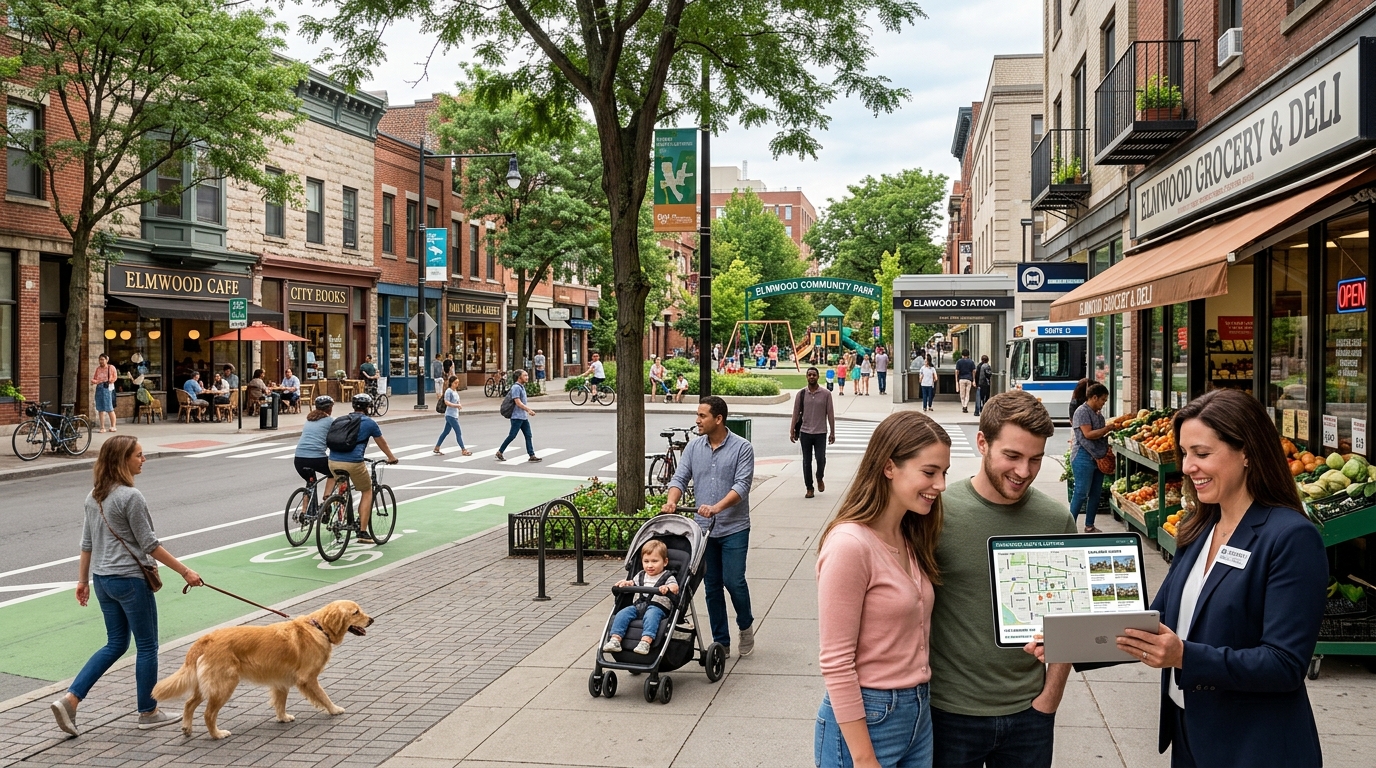
Not every walkable neighborhood is the same. Buyers who specifically prioritize pedestrian living have a specific checklist. Here is what I hear from them most often.
- Grocery store or market within a 10-minute walk
- Metro or bus stop within a 5-minute walk
- Restaurants and cafes along walkable streets
- Low to moderate traffic on main pedestrian corridors
- Parks or green space within walking distance
- Sidewalks in good condition year-round
- Bikeability as a secondary option
- Proximity to work or cultural entertainment on foot
To be fair, most LA neighborhoods still require a car for some things. But for buyers who can reduce car dependence even 50 percent, the lifestyle impact is real. That reduction in commute stress, parking costs, and gas money adds up. And for families, being able to walk kids to school or to a nearby park without loading everyone into a car is something many buyers say they did not fully value until they experienced it.
What This Means If You Are Buying or Selling in a Walkable LA Area
Selling in a Walkable Hub Gives You an Edge
If your home sits in a walkable LA neighborhood with good transit access and nearby amenities, that is a real selling point in today’s market. I would encourage sellers to highlight it directly in listings. Mention the Walk Score, name the nearby restaurants, coffee shops, and Metro stops. Buyers who are specifically searching for walkable living will search by those features, and they will pay a premium for them.
Honestly, the way buyers search online has changed. A lot of people filter by Walk Score just like they filter by number of bedrooms. If your listing does not reflect the walkability advantage of your location, you are leaving money on the table.
Buying in a Walkable Area Before the Neighborhood Peaks
The best strategy for buyers who want walkable LA real estate is to look ahead of the curve. The neighborhoods that are walkable today and also have new Metro access coming, or new development planned, are the ones most likely to see appreciation in the next five years. Watching which neighborhoods are getting new transit stations, new pedestrian infrastructure, or new dining and retail development can point you toward the next Silver Lake or Echo Park before the prices fully reflect it.
If you want to explore this further, take a look at our post on how living near Metro transit lines affects LA property values for more detail on the transit-walkability connection. You can also check out our article on best 15-mile radius commutes from DTLA and their impact on property value. And for neighborhood context, our LA community guide for local buyers is a great place to start. When you are ready to talk to someone about buying or selling in a walkable LA area, our team is here at the Contact Us page.
Conclusion
The future of walkable LA real estate is not a far-off idea. It is already here in neighborhoods like Koreatown, Silver Lake, and Echo Park, and it is growing as Metro expands and new pedestrian-friendly development takes hold across the city. Whether you are buying, selling, or just watching the market, walkability is one of the factors that is going to keep shaping LA real estate for years to come. Pay attention to where people are choosing to live on foot, and you will have a clearer picture of where prices are heading.
Frequently Asked Questions
Which Los Angeles neighborhoods have the highest Walk Scores?
According to Walk Score data, the most walkable neighborhoods in LA include Central Hollywood, Koreatown, Wilshire Center, and parts of Silver Lake and Echo Park. These areas have the densest mix of walkable amenities and public transit access in the city.
Does walkability actually increase home prices in Los Angeles?
Yes. In Los Angeles, homes in more walkable neighborhoods consistently show stronger buyer demand, shorter days on market, and higher prices compared to car-dependent areas with similar home sizes. The Walk Score premium is well-documented in urban real estate markets across the US.
How does the LA Metro expansion affect walkable real estate?
New Metro stations create walkable hubs around them. Neighborhoods that gain transit access typically see increased buyer interest and property appreciation in the years that follow. The D Line Extension opening from 2025 to 2027 is expected to drive demand along its corridor, from Koreatown to Westwood.
Is Koreatown a good place to buy real estate for walkability?
Koreatown is one of the best neighborhoods in LA for walkable living. It has a very high Walk Score, strong Metro connectivity, and a wide range of walkable amenities. Home prices are also more accessible than many comparable walkable neighborhoods, making it attractive for both first-time buyers and investors.
What should I look for when buying a home in a walkable LA neighborhood?
Look for a Walk Score of at least 70, proximity to a Metro or bus stop, walkable grocery and dining options nearby, and good sidewalk infrastructure. Also check what development or transit projects are planned for the area, as those future improvements tend to drive appreciation even before they are fully built.