
What’s Really Happening in Florida’s Housing Market?
Florida has always been one of the most talked-about real estate markets in the country. And in 2026, the conversation just got more interesting. Prices are shifting, more homes are hitting the market, and buyers are finally getting some power back. If you’re thinking about buying, selling, or investing in Florida, this is the right time to pay close attention.
Why Florida Real Estate Is Different from Other States
Florida isn’t like a regular state market. It has a massive amount of migration, warm weather, no state income tax, and a huge mix of buyers — from retirees to young families to international investors. All of that makes the Florida housing market move in ways that are hard to predict if you’re only looking at national data.
According to Florida Realtors® (via Yahoo Finance), 27% of people who moved into Florida homes in 2024 came from another state, and 5% came from abroad. That kind of steady migration keeps housing demand strong even when national markets cool down.
The Big Shift: From Seller’s Market to Buyer’s Market
For the last few years, sellers had all the control in Florida. But that’s changing fast in 2026. Active inventory is rising, home prices are stabilizing, and buyers now have more room to negotiate. That doesn’t mean prices are crashing — it just means the market is getting back to something normal.
I remember talking to a buyer in late 2023 who lost three offers in a row because of intense competition. That kind of chaos is mostly gone now. Today, if you’re patient and prepared, you can find real value in Florida’s market.
Florida Home Prices in 2026: What the Data Says
Let’s look at the actual numbers. This is where things get really eye-opening for buyers who’ve been waiting on the sidelines.
Median Home Prices and Price Trends Across Key Cities
The statewide median sale price for single-family homes in Florida was around $411,105 as of late 2025, showing a slight annual decline of about 0.9%. That’s not a crash — it’s a healthy correction after years of steep gains.
Different cities are moving differently, though. Here’s a snapshot of what buyers are seeing across the state:
| City / Metro | Market Type | Price Trend | Notes |
|---|---|---|---|
| Miami | Competitive | Holding steady | Luxury and coastal demand remains strong |
| Tampa | Balanced | Slight decline | Inventory rising, good for buyers |
| Orlando | High demand | Stable | Job growth drives consistent rental demand |
| Jacksonville | Affordable | Modest dip | Lower median prices, faster sales |
| Naples | Luxury | Extended time on market | High price points, more negotiation room |
| Sarasota | Retirement-driven | Stable | Strong demand from retirees |
What’s Happening with Average Florida Home Values?
The average Florida home value is currently around $384,811, down about 4.3% over the past year according to Zillow’s Florida home values data. Homes are going to pending in around 49 days on average — that’s slower than during the pandemic boom, but still reasonable.
Nine Florida markets are actually seeing five-digit drops in home value, with a median loss of around $10,157 from early 2025 to early 2026. That sounds scary, but for buyers, it’s an opening. You’re getting a better deal today than you would have gotten in 2022 or 2023.
Mortgage Rates and Affordability in Florida
Mortgage rates are one of the biggest factors shaping who can buy a home in Florida right now. Let’s be clear about where things stand.
Current Mortgage Rate Trends for Florida Buyers
According to Freddie Mac’s Primary Mortgage Market Survey, the 30-year fixed-rate mortgage averaged 5.98% as of late February 2026, down from 6.76% a year ago. That’s a meaningful drop. Every 1% decrease in rates adds thousands of buyers back to the market.
Florida Realtors’ chief economist Dr. Brad O’Connor put it clearly: a drop from 7% to 6% would bring more than 6,000 additional buyers per month into the Orlando market alone. Lower rates unlock pent-up demand fast. We’re seeing that play out in real time right now.
Here’s a simple breakdown of what rate changes mean for a $400,000 home purchase:
- At 7% — monthly payment around $2,661
- At 6.5% — monthly payment around $2,528
- At 6% — monthly payment around $2,398
- At 5.98% (current) — about $2,394/month
Those savings add up fast over a 30-year loan. This is why so many buyers who were waiting are now jumping back in.
First-Time Buyer Challenges in Florida’s 2026 Market
Honestly, first-time buyers still have it tough. Nationally, first-time buyers make up just 21% of all purchases — well below the historical norm. The median age of a first-time buyer has risen to 40, which tells you a lot about how hard it’s become to get into the market.
In Florida specifically, affordability remains a challenge because of high property insurance costs, especially in coastal areas. That adds significantly to the total cost of owning a home. If you’re buying for the first time, make sure you factor in insurance costs, not just the mortgage.
Our guide on the escrow process step by step walks you through exactly what happens at closing — something every first-time buyer needs to understand before making an offer.
Florida’s Property Insurance Market: Finally Getting Better?
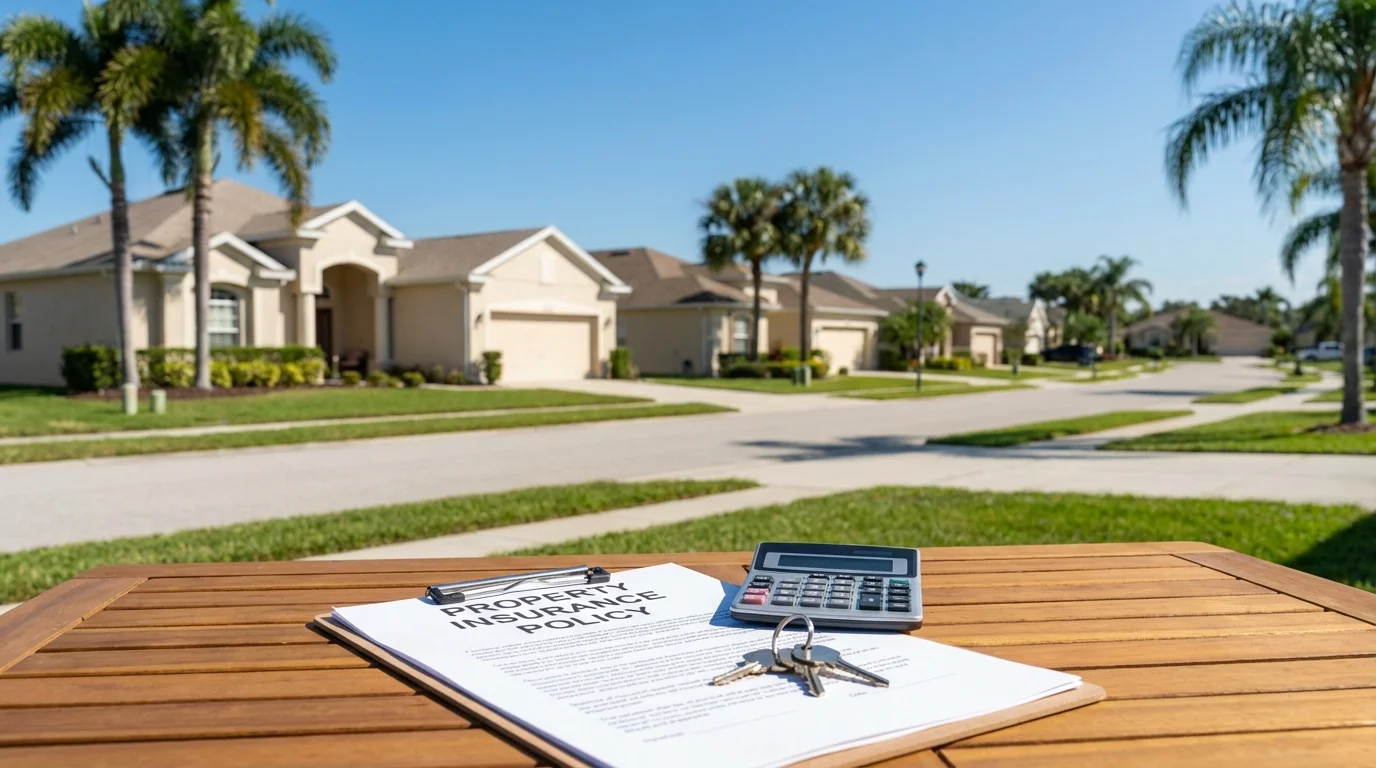
One of the biggest issues holding buyers back in Florida has been home insurance. Rates skyrocketed after major hurricanes, and some insurers left the state entirely. But there’s actually some good news here.
Insurance Reforms and What They Mean for Buyers
Following reforms passed in 2022 and 2023, 17 new insurers have entered Florida as of early 2026. That increased competition is starting to slow down premium growth. Rates haven’t dropped dramatically yet, but the direction has changed.
For buyers, this is important. Lower or more stable insurance costs mean your total monthly payment becomes more predictable. It also makes coastal properties slightly more accessible than they were a year ago. Still, always get an insurance quote before you make an offer — that number can make or break the deal.
How Insurance Affects Buying Decisions in Coastal Markets
I’ve heard from buyers who fell in love with a home in Fort Lauderdale or Naples, only to get hit with insurance quotes that made the monthly payment completely unaffordable. It’s one of those Florida-specific things that buyers from other states don’t always plan for.
If you’re buying near the coast, ask about flood zone status, wind mitigation features, and the home’s insurance history before you put in an offer. Properties with newer roofs and impact windows cost less to insure — and that difference can be significant.
If you’re also thinking about the legal side of owning property, especially regarding liens that might affect the title, our article on property lien searches covers exactly how to protect yourself before closing on any home.
Best Opportunities for Buyers and Investors in 2026
Where exactly should you be looking in Florida right now? The market is bigger than just Miami and Tampa. Let me share what’s working.
Top Florida Markets Worth Watching in 2026
The best real estate investment opportunities right now aren’t always in the most obvious places. Yes, Miami luxury is holding up, but that’s a very different market from where everyday investors make money.
Areas like Jacksonville, parts of Hillsborough County, and inland markets near Orlando are delivering better rental yields right now because entry prices are lower and rental demand from workers and young families remains strong. If you’re buying a rental property, look where the jobs are, not just where the beaches are.
There are also more newer communities with flexible housing options, including manufactured and modular home developments, which can offer much lower entry points for buyers and investors. Our post on mobile home vs manufactured home explains the differences and what makes sense depending on your goals.
What Cash Buyers and Equity-Rich Homeowners Should Know
Cash buyers make up nearly one-third of all transactions in Florida right now. That’s a striking number. If you can buy with cash, you have real leverage in today’s market — sellers will often accept a lower price to avoid the uncertainty of a financed deal.
Equity-rich homeowners are also in a strong position. If you already own a home in Florida or elsewhere and have built up equity, you can use that to make a stronger offer on your next property. This is exactly the dynamic driving a lot of move-up buying right now.
If you have questions about buying in Florida or want help finding the right property and strategy, reach out to our team and we’ll walk you through your options.
Conclusion
Florida’s real estate market in 2026 is not a crash — it’s a correction. Prices have eased, mortgage rates are falling, inventory is rising, and buyers finally have some negotiating room. That’s actually a healthy place for a market to be after years of extreme seller dominance.
Whether you’re a first-time buyer, a move-up buyer, or an investor, Florida still offers real opportunity. The key is doing your homework on location, insurance costs, and financing before you commit. The market rewards the prepared. I’d love to hear where you’re looking in Florida — drop your thoughts in the comments below.
Frequently Asked Questions
Is the Florida real estate market going to crash in 2026?
No. Economists from Florida Realtors® and the National Association of Realtors® are clear that Florida is not facing a housing crash. What’s happening is a healthy market correction after years of steep gains. Population growth, strong job creation, and continued in-migration all support long-term housing demand in Florida.
Are home prices dropping in Florida in 2026?
In some areas, yes. The statewide median home price for single-family homes has seen a small annual decline of about 0.9%. Nine Florida markets have seen five-digit drops in home value from 2025 to 2026. But markets like Miami and Sarasota remain fairly stable, and the overall picture is one of stabilization, not collapse.
Is now a good time to buy property in Florida?
For most buyers, yes. Mortgage rates are easing, inventory levels are rising, and buyers have more negotiating power than they’ve had since 2019. If you can handle the current rate and your finances are solid, waiting could cost you more if rates drop further and buyer competition picks back up.
What cities in Florida have the best real estate opportunities in 2026?
Jacksonville, parts of Orlando, and inland markets in Hillsborough County are offering some of the strongest opportunities for buyers and investors. These areas combine affordable entry prices with solid rental demand from growing local job markets.
How does property insurance affect buying a home in Florida?
It’s a major factor. High insurance costs in Florida — especially near the coast — can add hundreds of dollars per month to your total housing payment. Since 2022, insurance reforms have brought 17 new insurers to the state, which is helping slow premium growth. Always get an insurance quote before making an offer on any Florida property.