
You signed the papers. The keys changed hands. But here is the thing, what if you are not ready to leave yet? A lot of sellers are surprised to learn that closing day does not always mean moving day. You actually can stay in your home after closing, but only if you set it up the right way ahead of time. This guide walks you through exactly how that works and what you need to know before closing day comes.
What Happens to Your Rights After Closing Day
The Moment Title Transfers, You Are No Longer the Owner
Here is something many sellers do not fully think about until it is almost too late. The second the title transfer happens at closing, the home legally belongs to the buyer. You go from homeowner to guest, basically overnight. If nothing was agreed to in writing before that moment, the buyer has every right to walk in right after closing and expect you to be gone.
I have seen sellers assume there would be a few extra days just out of common courtesy. That is a risky assumption. Without something in writing, you have no legal right to stay. So if you think you might need more time, bring it up early, before you sign anything.
When Can You Stay? The Written Agreement Rule
The good news is that staying after closing is possible. It just has to be agreed upon in writing. According to real estate law experts, any post-closing occupancy arrangement must be spelled out clearly in the purchase contract or in a separate document. A handshake or a verbal promise is not enough and could leave you in a really tough spot.
There are a few common ways sellers handle this. Some include a simple note in the purchase agreement giving them a specific number of extra days. Others set up a more formal use and occupancy agreement, also known as a U&O agreement. This document covers things like how long you can stay, what you will pay, and who is responsible if something gets damaged.
What Is a Rent-Back or Sale-Leaseback Agreement
How a Rent-Back Works in Plain Terms
A rent-back agreement, also called a sale-leaseback, is when you sell your home but then rent it back from the new owner for a short time. The buyer becomes your landlord, and you become a temporary renter. It sounds a little strange at first, but it is actually pretty common in competitive housing markets.
According to a 2017 survey by the National Association of Realtors, about 20% of sellers moved out during a rent-back period. That number has likely grown since inventory stayed tight through the mid-2020s. If you are waiting on a new construction home to be finished or still working out your next move, a rent-back can be a real lifesaver.
What Goes Into a Use and Occupancy Agreement
A solid use and occupancy agreement will usually cover the following things. You want every one of these spelled out before you close, not after.
- How many days or weeks you are allowed to stay after closing
- The daily or weekly fee you will pay the buyer, if any
- Who handles utilities during your stay
- The condition the home must be in when you leave
- Whether you need to put money into an escrow account as a security deposit
- What the penalty is if you stay past the agreed move-out date
- Whether you carry your own insurance during the period you stay
Not every seller pays rent during this period. In some cases, buyers offer a free rent-back as a way to make their offer stand out in a bidding war. That said, many buyers will charge a per diem fee, which usually runs between $100 and $300 per day, depending on the market and the mortgage costs involved.
If you are thinking about how the escrow process works during a rent-back, you are not alone. Many sellers find themselves juggling multiple financial steps at once, and understanding how funds are held and released is a big part of staying protected.
How Long Can You Stay After Closing
Typical Timelines by Arrangement Type
There is no one-size-fits-all answer to how long you can stay. It really depends on what you negotiate. That said, most mortgage lenders require the new owner to move in within 60 days of closing, which puts a natural cap on how long most rent-backs can run. Here is a quick look at common timelines:
| Type of Agreement | Typical Duration | Common Cost |
|---|---|---|
| Simple contract note | 3 to 10 days | Often free |
| Use and Occupancy (U&O) | 7 to 30 days | $100 to $300 per day |
| Full Rent-Back / Leaseback | 30 to 60 days | Based on buyer mortgage |
| Extended Leaseback (rare) | Up to 6 months | Negotiated rent |
Most sellers who need a little extra time stick to the 7 to 30-day range. Anything beyond 60 days starts to get legally tricky, especially if the buyer has a mortgage with an owner-occupancy requirement.
Situations Where Staying After Closing Makes Total Sense
Honestly, there are more situations than people think where asking for extra time is completely reasonable. Here are some of the most common ones:
Your new home is still being built and the completion date got pushed back. You are doing a simultaneous closing where funds from one sale need to transfer to the next purchase. You had a moving truck cancel at the last minute. You are relocating across the country and still figuring out logistics. You simply need a few more days to pack up years of belongings without rushing.
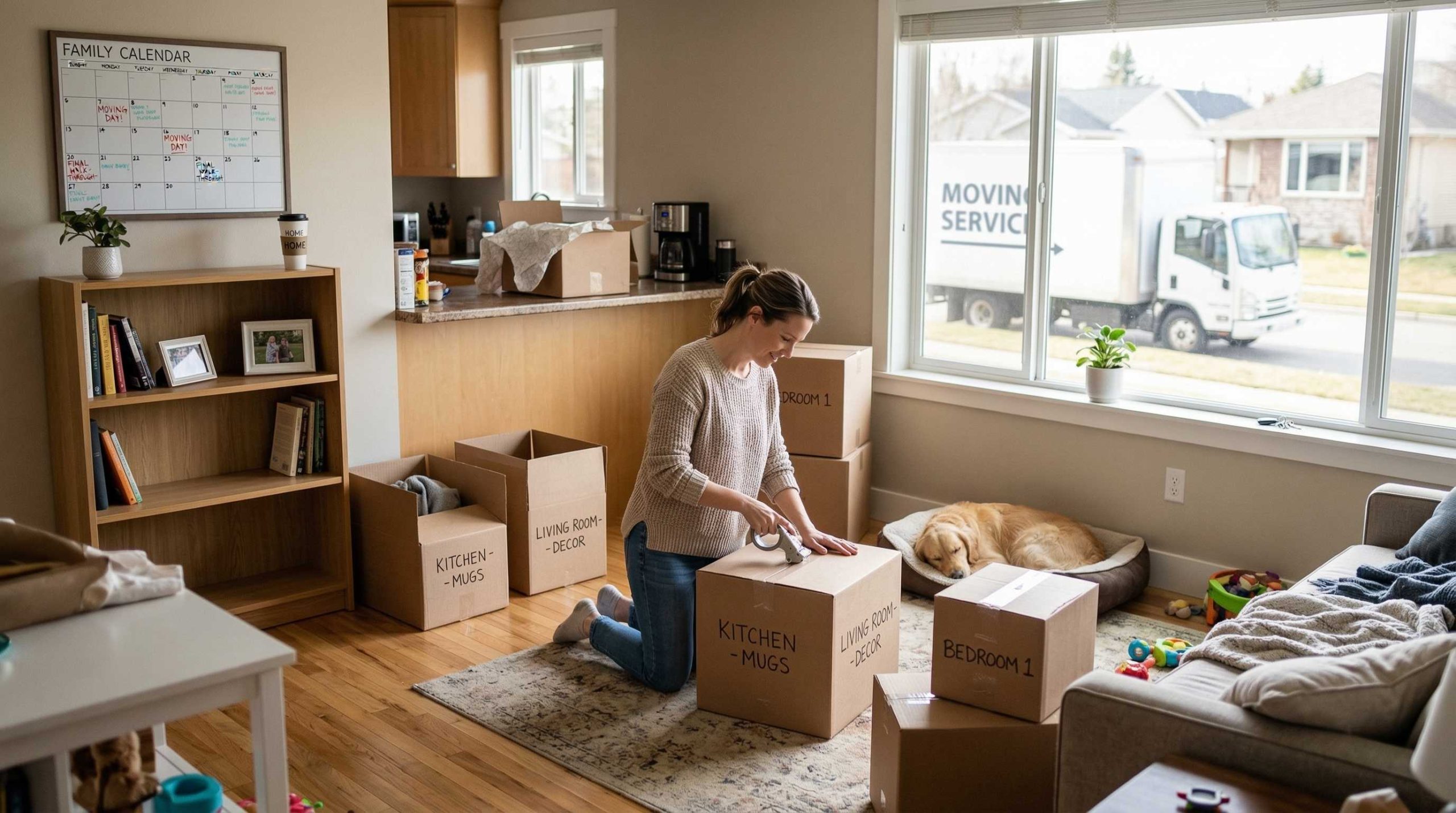
These are all normal life situations. Buyers understand that moving is stressful, and many are happy to work something out when asked early and respectfully.
If you are selling because you need cash fast and want the most flexibility on your move-out timeline, working with a cash home buyer in Los Angeles can give you options that traditional buyers simply cannot. There are no lender rules about occupancy timelines, which means you and the buyer can agree to almost anything that works for both of you.
What Happens If You Stay Too Long or Refuse to Leave
Penalties and Legal Risks of Overstaying
Here is where things can go sideways fast. If you stay past your agreed move-out date without permission, the buyer can start charging daily penalty fees that are often higher than the original per diem rate. And if you simply refuse to leave, the buyer can go to court and start a formal eviction process.
According to real estate attorneys, eviction timelines vary by state but can take several weeks or even months. During that whole time, you would be racking up fees and possibly damaging your relationship with the new owner, all while legal costs pile up on both sides. It is not a situation anyone wants to be in.
The better move is always to communicate early. If something comes up and you need more time, talk to the buyer through your agent. Most people are reasonable when you are honest with them. You can read more about navigating disputes and property-related legal agreements in resources like the National Association of Realtors FAQ page, which covers seller rights and real estate agreements in detail.
Who Pays for Damages After Closing
This is a question that comes up a lot. If something breaks while you are still living in the house after closing, who is responsible? The answer depends on what your agreement says and when the damage happened.
Generally speaking, any damage that was already there before closing is not the seller’s problem to fix after the fact. But if something breaks or gets damaged during your post-closing stay, that falls on you. Your use and occupancy agreement should spell all of this out clearly. Most agreements also require the seller to keep their own homeowner insurance active during the stay.
The escrow or security deposit held back by the buyer gives them financial protection in case something goes wrong. If you leave the home in great condition, you get that money back. If there is damage, the buyer can deduct repair costs from it.
For a broader look at your rights and protections during a property transaction, the Federal Trade Commission’s home buying resources are a solid starting point, covering everything from buyer protections to seller responsibilities.
Tips for Sellers Who Need Extra Time After Closing
How to Bring It Up Without Losing the Deal
The timing of this conversation matters a lot. Bring up your need for a post-closing stay before you accept any offer, not after. When it comes up early, buyers can factor it into their decision. When it comes up late, it can feel like a surprise or even a deal-breaker.
Be specific about what you need. Instead of saying you need some extra time, say you need 14 days after closing. Specific requests are easier for buyers to evaluate and agree to. Vague ones create anxiety. And always get everything in writing. Do not rely on a friendly handshake or a promise made over text.
Working With Cash Buyers for Maximum Flexibility
One of the biggest advantages of selling to a cash buyer is the flexibility you get on the timeline. Traditional buyers with mortgages have lender requirements that limit how long they can let you stay. Cash buyers do not have that same pressure.
I have personally talked with sellers who were shocked at how easy it was to negotiate a 30 to 60-day stay when working with a cash buyer. There was no bank saying no, no appraisal delay, and no financing contingency to worry about. Just a direct, human conversation about what works for both sides.
If that kind of flexibility sounds good to you, check out our why choose us page to learn how we handle post-closing timelines and what makes working with Buy Your Properties different from a traditional sale.
You can also find more useful information on the topic from Zillow’s guide to selling your home for cash, which breaks down how cash sales work and what sellers can expect at every step.
And if you are also thinking about how to navigate a move while dealing with property tax concerns, check out our post on ways to avoid capital gains tax on property sales for more seller-focused guidance.
Conclusion
Yes, you can stay in your home after closing, but only if it is agreed upon in writing before the deal closes. Whether you set up a simple note in the purchase agreement, a formal use and occupancy agreement, or a full rent-back arrangement, the key is to bring it up early and document everything clearly. Cash buyers tend to offer the most flexibility on this. If you want help making that happen, contact us today and we can walk you through your options at no obligation.
Frequently Asked Questions
Can I stay in my house for free after closing?
It depends on what the buyer agrees to. In competitive markets, some buyers offer a free rent-back period as part of their offer to make it more attractive to the seller. In most cases though, you will pay a daily fee based on the buyer’s mortgage costs or a rate you both agree on.
What is a use and occupancy agreement?
A use and occupancy agreement, also called a U&O agreement, is a written document that lets the seller stay in the home after closing for a set period of time. It covers things like how long you can stay, what fee you owe, and who is responsible for damages.
How long can a seller typically stay after closing?
Most sellers stay anywhere from a few days up to 60 days after closing. Going beyond 60 days is rare and can cause issues with the buyer’s lender, which usually requires owner-occupancy within that timeframe.
What happens if I refuse to leave after closing?
If you refuse to leave after the agreed date, the buyer can start a formal eviction process. This can take weeks or months depending on your state, and you could face daily penalty fees and legal costs. It is always better to communicate and work out a solution before things reach that point.
Do I need a real estate attorney for a rent-back agreement?
It is a good idea to at least have a real estate agent or attorney review any post-closing agreement before you sign. These documents have real legal weight and you want to make sure your rights and responsibilities are clearly protected on both sides.