
California has some of the most detailed property laws in the country. Whether you’re buying your first home, renting out a property, or trying to pass land down to your kids, the rules here are different from most other states. If you don’t understand them, they can cost you a lot of money. I’ve seen that happen more times than I’d like to admit.
The good news? Once you break it down, it’s very manageable. Let’s go through the key laws every property owner in California needs to know in 2025 and 2026.
Why California Property Ownership Laws Are So Unique
Most states have fairly simple property rules. California does not. The state has community property laws, strict rent control regulations, complex property tax rules under Proposition 13 and Proposition 19, and a long list of disclosure requirements for sellers. That’s a lot to keep track of.
But here’s the thing — California also has strong protections for property owners. Once you know what they are, you can use them to your advantage. The challenge is just learning them before you need them, not after.
Who This Guide Is For
Whether you’re a homeowner, a landlord, an investor, or someone looking to buy their first property in California — this guide is for you. We’ll cover the most important ownership structures, tax rules, landlord-tenant laws, and new regulations that took effect in 2025 and 2026.
Types of Property Ownership in California
The way you own property in California matters a lot. It affects what happens to your home if you die, get divorced, or want to sell. Let’s go through the main options.
Sole Ownership, Joint Tenancy, and Tenancy in Common
In California, you can own property in several different ways:
- Sole ownership — one person owns the entire property. Simple to manage, but the property goes through probate if you die.
- Joint tenancy — two or more people own equal shares. If one owner dies, their share passes automatically to the other owners without going through court. This is called the right of survivorship.
- Tenancy in common — two or more people own shares, but not necessarily equal ones. You can sell your share during your lifetime or leave it to someone in your will.
- Community property — unique to California and a few other states. Property bought during a marriage is owned equally by both spouses. In a divorce, it’s split 50/50.
According to the Continuing Education of the Bar (CEB), these ownership forms have very different legal effects especially when it comes to transferring property at death or through a divorce. Choosing the right one upfront can save your family a lot of trouble later.
Community Property and What It Means for Married Couples
If you’re married in California and buy a house together, it’s community property by default. Both of you own exactly half, even if only one person is working. This matters a lot if you ever separate.
Here’s something I find a lot of people don’t know: if you owned property before you got married, that’s usually still yours alone. But if you mix marital money into it — like using joint savings to pay the mortgage — things can get complicated really fast. A real estate attorney can help you keep things clear from the start.
California Property Tax Rules: Proposition 13 and Proposition 19
Property taxes in California work very differently from most states, and understanding this can save you thousands of dollars every year.
How Proposition 13 Protects Property Owners
California’s Proposition 13, passed in 1978, is one of the most famous property tax laws in the country. It limits your annual property tax to 1% of the purchase price and caps annual increases at just 2% per year. So if you bought your home years ago at a low price, your taxes stay low — even if the home’s current value has tripled.
This is a huge benefit for long-term homeowners. And it’s one reason why many Californians hold onto their properties for decades rather than selling and triggering a new, much higher tax assessment.
Proposition 19: What Changed for Inherited Properties
Proposition 19, passed in 2020 and fully implemented in 2021, changed the rules for passing property down to children. Before Prop 19, parents could pass a home to their kids without triggering a new property tax assessment. That benefit is now much more limited.
Under the new rules, if a child inherits a home and does not use it as their primary residence, the home gets reassessed at current market value. That can mean a massive jump in property taxes. According to the California Department of Real Estate, these changes are designed to promote transparency and equity in property ownership, but they require careful estate planning to avoid unexpected tax burdens for heirs.
Here’s a quick comparison of the old rules vs. the new ones under Prop 19:
| Situation | Before Prop 19 | After Prop 19 (Current) |
|---|---|---|
| Child inherits family home | Kept low tax base | Reassessed unless used as primary home |
| Rental property inherited | Kept low tax base | Fully reassessed at market value |
| Seniors moving to smaller home | Limited portability | Can transfer low tax base anywhere in CA (up to 3x) |
| Disabled homeowners | Limited options | Can transfer low tax base statewide |
California Landlord and Tenant Laws in 2025–2026
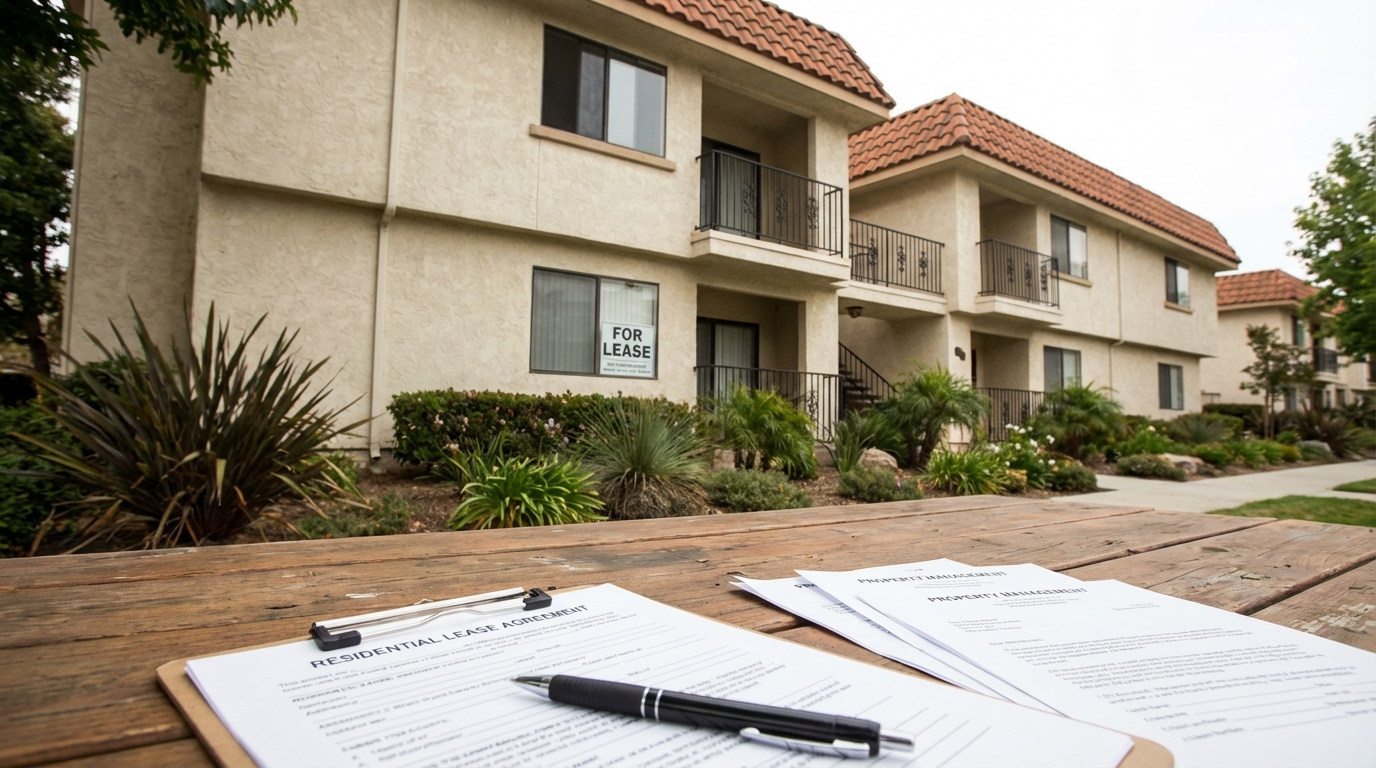
If you own rental property in California, the rules have been changing fast. Here’s what every landlord needs to know right now.
Rent Control, Rent Caps, and New 2025 Tenant Laws
California’s Tenant Protection Act (AB 1482) limits how much landlords can raise rent each year for covered properties. For the period from August 2025 to July 2026, the cap is 5% plus local CPI, or 10%, whichever is lower. That means depending on where your property is, your cap could be anywhere from 7.5% to 8% or even lower in some cities like Santa Ana, which is capped at 3%.
In 2025, several new laws also came into effect that landlords must follow:
- AB 2747 — If you own 15+ units, you must offer tenants the option to have their on-time rent payments reported to credit bureaus
- AB 2801 — You must take before and after photos of the rental unit and provide them to tenants when dealing with security deposits
- AB 2216 — You cannot stop tenants from keeping common household pets without a reasonable reason
- AB 628 (effective January 2026) — All new and renewed leases must include a working refrigerator and stove
According to the California Department of Real Estate’s 2025 Law Guide, non-compliance with these updates can result in civil penalties, damages, and legal fees. Staying current isn’t optional — it’s essential.
Security Deposits and Eviction Protections in 2025
California changed its security deposit rules starting in 2024. Most landlords are now limited to collecting just one month’s rent as a security deposit (for unfurnished units). That’s a significant change from the previous two-month limit.
When it comes to evictions, California requires just cause to remove a tenant in most cases. You can’t simply decide you want the unit back — you need a valid legal reason. And the documentation requirements are strict. If you try to evict without following the process, you could end up in a lengthy legal fight that costs far more than the rent you were trying to recover.
If you’re a landlord or investor dealing with liens or title issues on your rental property, our post on property lien searches explains how to find and resolve problems before they become expensive.
Seller Disclosure Requirements in California
Selling a home in California comes with a long list of things you must legally tell the buyer. Skipping any of them can get you into serious trouble.
What You Must Disclose When Selling Property
California requires sellers to fill out a Transfer Disclosure Statement (TDS). This is a detailed form where you must honestly report everything you know about the property’s condition — including past repairs, any known defects, neighborhood issues, and hazards.
You must also disclose if the property is in a high fire hazard severity zone, a flood zone, near a fault line, or has other natural hazard risks. The California Department of Real Estate updated the required Natural Hazard Disclosure Statement through AB 1280 to now include fire hazard zones that were previously not required to be listed.
The bottom line: if you know something that could affect a buyer’s decision, you have to share it. Buyers in California can sue for non-disclosure — and courts take it seriously.
New Corporate Ownership Rules and Short-Term Rental Limits
If you’re investing through a company or thinking about renting your home on Airbnb, California has new rules you need to know about.
California now places caps on how many single-family homes corporations can own. This law is meant to level the playing field for individual buyers and smaller investors who were being outcompeted by large investment firms buying up homes in bulk.
For short-term rentals, cities now have the power to limit how many Airbnb-style rentals are allowed per area. STR owners must register with local governments and pay higher fees. If you’re running a short-term rental, make sure you’re registered and compliant with your city’s specific rules.
If you’re in the early stages of buying property in California and want to understand what the purchase process looks like from start to finish, our guide on the escrow process step by step is a great place to start. And if you want personalized help navigating California’s complex property laws, reach out to our team — we’re here to help you make smart, informed decisions.
Conclusion
California property ownership laws are detailed, changing, and sometimes strict — but they’re learnable. Know your ownership type before you buy. Understand what Prop 13 and Prop 19 mean for your taxes. If you’re a landlord, stay on top of the new tenant protection laws every year. And if you’re selling, disclose everything.
The best thing you can do is stay informed and work with professionals who know California law well. The rules are there to protect everyone — including you, as the property owner. I’d love to hear what questions you have about California property law in the comments below.
Frequently Asked Questions
What is community property in California?
Community property is a type of ownership that applies to married couples in California. Any property bought during the marriage is owned equally by both spouses — 50/50. If the couple divorces, that property is typically divided equally. Property owned before the marriage, or received as a gift or inheritance, is usually considered separate property and belongs only to the original owner.
What is Proposition 13 and how does it affect my property taxes?
Proposition 13 caps your annual property tax at 1% of the purchase price and limits annual increases to just 2%. This means long-term homeowners pay much lower taxes than their home’s current market value would suggest. Once you buy, your base tax is locked in — unless ownership changes and a new assessment is triggered.
Can a landlord in California raise rent by any amount?
No. Under California’s Tenant Protection Act (AB 1482), most landlords are limited to raising rent by 5% plus local CPI, or 10% maximum per year. Some cities have even stricter local rules. Properties built within the last 15 years and single-family homes owned by individual landlords may be exempt, but you must check your local rules carefully.
What are the seller disclosure requirements in California?
California sellers must complete a Transfer Disclosure Statement that covers the condition of the home, known defects, past repairs, and any hazards. You’re also required to disclose if the property is in a fire hazard zone, flood zone, or near geological faults. Failing to disclose can lead to lawsuits even after the sale is complete.
What changed with Proposition 19 for inherited properties?
Under Proposition 19, if you inherit a property from a parent and don’t use it as your primary home, it gets reassessed at current market value — which could mean a significant property tax increase. The old rule that let children keep the low tax base on any inherited property no longer applies in most cases. Proper estate planning, like using a living trust, can help minimize this impact.