
I get this question almost every week. Someone’s tired of city life, or they want to invest in land, and they ask me — rural or urban? Honestly, there’s no one-size-fits-all answer. But there IS a right answer for YOU, depending on what you need. Let me break it all down so you can decide with confidence.
Why This Decision Matters More Than Most People Think
Buying land or property is one of the biggest financial decisions you’ll ever make. Getting it wrong doesn’t just cost money — it affects your lifestyle, your daily commute, your job options, and even your long-term investment value. I’ve talked to buyers who bought rural land expecting peace and quiet, only to realize they missed city amenities badly within six months.
So before anything else, know this: both rural property and urban real estate can be excellent investments. But they work very differently. Let’s go through both sides clearly.
What Is Rural Land and Who Is It Really For?
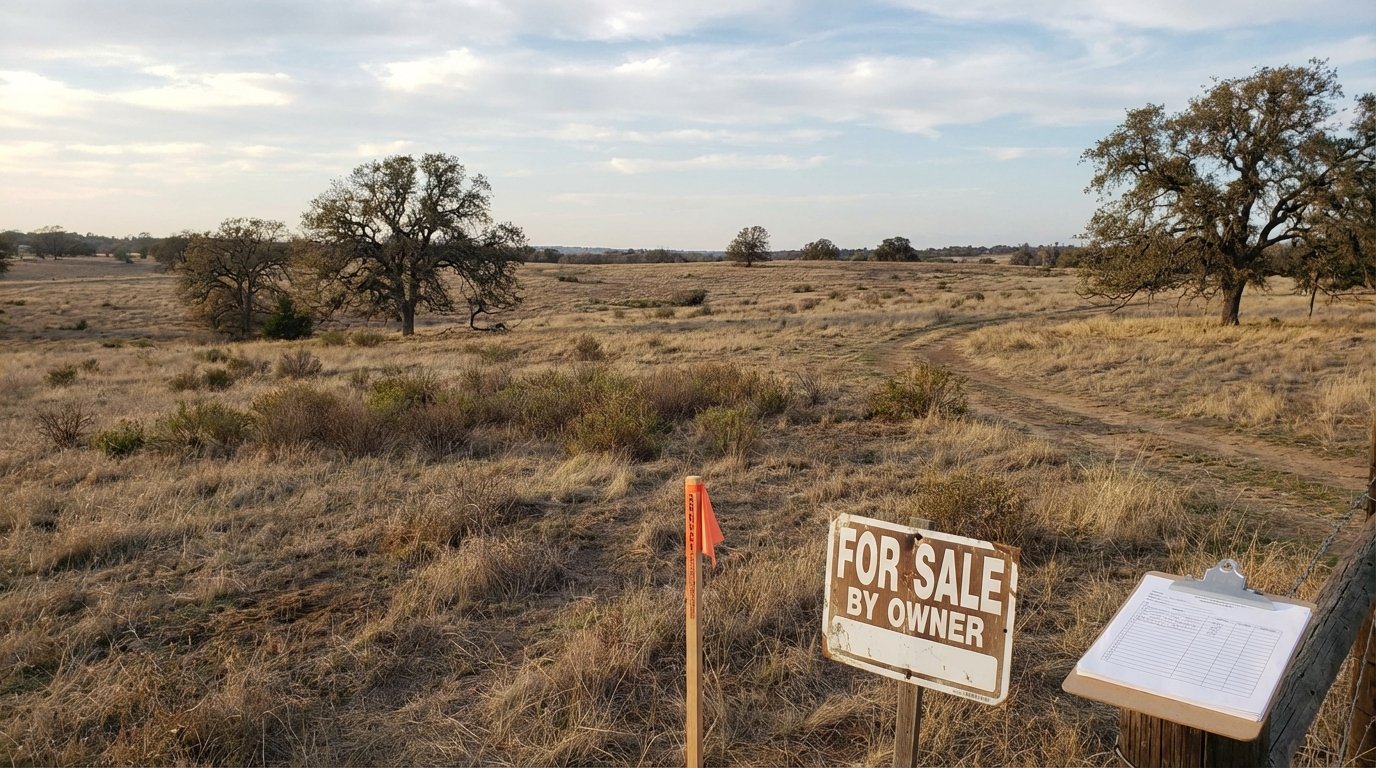
Rural land is property located outside city limits — think open fields, farmland, mountain lots, wooded acreage, or lakefront parcels far from the downtown hustle. It’s often cheaper, bigger, and quieter. But it comes with its own set of challenges that most buyers don’t research before jumping in.
The Real Benefits of Buying Rural Land
The biggest draw is affordability. Rural land is often priced at a fraction of what urban property costs. In many parts of the U.S., you can buy 5 to 10 acres of rural land for the same price as a small city condo. That means more space for your money — whether you want a farm, a retreat, or a long-term investment.
Here’s what makes rural land genuinely attractive:
- Lower purchase price — Rural land is often 50–80% cheaper than urban lots of similar size
- Privacy and space — No neighbors right next to you, more freedom to build and develop
- Fewer building restrictions — Less regulation compared to city zoning rules, giving you more flexibility
- Long-term appreciation — As cities expand, nearby rural areas often see strong value growth over time
- Farming and outdoor activities — Perfect for those who want to grow crops, raise animals, or enjoy hunting, hiking, and nature
- Lower property taxes — Rural areas typically come with lower annual tax bills
According to research from Harvard’s Joint Center for Housing Studies, home values in non-metro (rural) counties rose by 36% between March 2020 and March 2023 — significantly faster than the 21% rise in dense urban counties. That’s a real number, and it shows rural land isn’t just cheap — it’s been growing faster.
The Honest Downsides of Rural Property You Should Know
I won’t sugarcoat it. Rural land can be beautiful — but it comes with real challenges. If you’re used to city life, some of these will hit harder than you expect.
The biggest issue is limited access to amenities. Hospitals, schools, grocery stores, and restaurants may be a long drive away. In emergencies, that distance matters a lot. Rural areas also often lack reliable high-speed internet or strong cell coverage — which is a serious problem if you work remotely.
Utility setup is another cost most buyers don’t plan for. Rural land often doesn’t have water, sewer, or electricity already connected. Setting up a well, septic system, and power connection can cost tens of thousands of dollars before you even start building. And finding skilled builders in remote areas can be harder and more expensive because of the logistics involved.
Job opportunities are also limited in rural areas. Unless you work remotely or run your own business, finding local employment in many rural counties can be tough. The median household income in rural areas is about $66,600 — roughly $14,000 less than the urban median of $80,600, according to the U.S. Census Bureau’s 2025 data.
What Urban Property Offers and Who It’s Best For
Urban property means buying in a city or densely populated suburb — apartments, condos, townhomes, or lots in developed neighborhoods. The price is higher. The space is smaller. But so much else is already built around you.
Why Urban Real Estate Still Wins for Many Buyers
City property gives you access. To jobs, hospitals, restaurants, entertainment, public transit, top schools, and a constant stream of people — which also means a constant stream of potential tenants if you’re investing. Rental demand in urban areas is steady and often high.
| Factor | Rural Land | Urban Property |
|---|---|---|
| Average Cost | Lower (often 50–80% less) | Higher |
| Space / Lot Size | Much larger | Small to moderate |
| Amenity Access | Limited | Excellent |
| Job Opportunities | Limited | Wide variety |
| Internet & Utilities | May need setup | Already in place |
| Rental Income Potential | Lower (fewer renters) | High (steady demand) |
| Property Taxes | Lower | Higher |
| Privacy | Excellent | Limited |
| Long-Term Appreciation | Strong in growing areas | Steady in established markets |
| Building Restrictions | Fewer | More regulation |
For real estate investors, urban markets offer something rural land usually can’t: consistent demand. If you buy a unit in a city, you’ll almost always find renters. The cash flow potential is more predictable. And if you ever want to sell, the buyer pool is much larger in cities than in rural areas.
The Drawbacks of Urban Property That Buyers Overlook
Urban property isn’t perfect either. The entry cost is much higher. You’ll pay more upfront, deal with higher property taxes, and often face HOA fees, zoning restrictions, and heavy competition from other buyers. Space is tight — most city properties sit on small lots with no room to expand or build freely.
And honestly, city life can be exhausting. The noise, the commute, the crowds — for some people, that slowly wears them down. I’ve seen buyers in their 40s who moved back to rural areas after a decade in the city, saying they just needed space to breathe.
How to Decide: Rural Land or Urban Property?
Here’s the question I always ask buyers who are stuck between the two: What does your life look like in five years? Not your dream life — your real, daily life. Where do you work? Do you have kids in school? Do you need to be near a hospital? Are you investing for income or building a home?
Questions to Ask Yourself Before You Buy
These questions help cut through the confusion fast:
Are you working remotely or commuting to an office? If you’re tied to a city job, rural land may cost you hours of driving every day. Remote workers have much more freedom here.
Are you buying to live in it or as a real estate investment? For income generation and rental demand, urban usually wins. For long-term land appreciation and personal use, rural has strong potential.
How important are schools and healthcare to you right now? Families with young children often find city or suburban locations work better in the short term.
Do you want to build something — a farm, a cabin, a retreat? Rural land gives you that freedom with far fewer restrictions.
If you’re unsure how the buying process works for either type of property, our guide on the escrow process step by step walks you through what happens from offer to closing — whether you’re buying in the city or the countryside.
The Smart Middle Ground: Suburban and Semi-Rural Areas
Here’s something many buyers miss. You don’t always have to choose between deep rural and dense urban. Suburban areas and semi-rural communities near growing cities can give you the best of both worlds — more space and lower prices than the city core, while still being close enough to amenities and employment.
According to National Debt Relief’s 2025 Urban vs Rural Cost Guide, housing prices in many rural and suburban areas near cities have grown significantly — rising 36% in non-metro counties versus 21% in dense urban areas between 2020 and 2023. Buyers who spotted that early got in at lower prices and saw strong appreciation.
Before finalizing any land purchase, it’s also important to check the title carefully. Run a full property lien search to make sure there are no existing debts, easements, or claims attached to the land that could cause problems after closing.
If you’re comparing different types of land purchases or looking at a property that might have unconventional structures, our breakdown of mobile home vs manufactured home differences can also help you understand what you’re actually buying and what rules apply.
Still not sure which direction makes the most sense for your specific situation? Contact our team and we’ll walk through the numbers with you — no pressure, just clarity.
Conclusion
Buying rural land or urban property isn’t about which one is better. It’s about which one fits YOUR life right now — and where you want to be in five to ten years. Rural land gives you space, affordability, and freedom. Urban property gives you access, steady rental demand, and a larger resale market.
The worst thing you can do is rush this decision based on what looks good on paper without thinking about how it fits into your real daily life. Take your time. Run the numbers. And if you need a second opinion, we’re always here to help.
Frequently Asked Questions
Is rural land a good investment in 2025?
Yes, rural land can be a strong investment — especially in areas near growing cities. Between 2020 and 2023, non-metro home values rose by 36%, outpacing the 21% growth in dense urban counties. The key is to pick a rural area with growth potential, not one that’s truly remote with no development nearby. Long-term land appreciation is real in the right locations.
What are the biggest hidden costs of buying rural land?
The biggest costs most buyers miss are utility setup (well, septic, power), road access, and higher building costs due to remote logistics. Rural land appraisals also consider soil quality and water access differently than urban properties, which can affect your loan. Always budget for these before calculating your total investment.
Can I work remotely and live on rural land?
Yes — but check internet and cell service first. Many rural areas still lack reliable high-speed broadband, which is a serious problem for remote workers. Before buying any rural property, visit the site and test the connectivity. Some rural counties now have fiber internet access, but many still don’t.
Which is better for rental income — rural land or urban property?
Urban property almost always wins for rental income. City properties attract a larger, more consistent pool of renters. Rural properties can generate income through Airbnb or vacation rentals in tourist areas, but the demand is more seasonal and the rental market is smaller. If steady cash flow is your goal, urban or suburban markets are safer bets.
What should I check before buying rural land?
Before buying rural land, check: zoning laws and what you’re legally allowed to build, access to utilities (water, sewer, electricity), road access and easements, soil quality if you plan to farm, and the title for any liens or claims. Also check local internet and cell coverage. Running a full title and lien search before closing is essential to protect your investment.