
Sellers hear the term as-is and immediately feel relieved. No repairs. No fix-it list. No contractor quotes. But then a little doubt creeps in. Does as-is really mean what it sounds like? Or is there fine print somewhere that pulls the rug out? The short answer is that when you sell to us, as-is genuinely means you do not lift a single tool or write a single check for repairs. Here is exactly how that works and why it is different from a traditional as-is listing on the open market.
What As-Is Actually Means in a California Real Estate Contract
The Legal Definition and What It Does for the Seller
In California real estate law, selling a property as-is means the buyer agrees to accept the property in its current visible condition, without any obligation from the seller to make repairs, offer credits, or reduce the price based on what inspections find. The buyer takes the property exactly as it sits on the day they walk through it.
According to Schorr Law’s guide on as-is property sales in California, when a property is sold as-is, the seller will not make any repairs, nor offer any credits for potential defects on the property. The legal foundation for this comes from California case law, specifically Shapiro v. Hu, which established that a buyer who accepts an as-is property takes it in the condition that is visible or observable to them. That protection is real and it is binding once both parties sign.
What As-Is Does Not Mean and Why That Matters
There is one thing as-is does not do, and sellers need to understand this clearly so there are no surprises. Selling as-is does not remove your legal obligation to disclose known defects. Under California Civil Code Section 1102, sellers of residential real estate must complete and deliver a Transfer Disclosure Statement to the buyer. That requirement applies even in an as-is sale and cannot be waived.
What this means in practice is straightforward. You tell us what you know about the property. We accept it in that condition. We do not ask you to fix anything based on what we discover. The disclosure protects you legally by creating a record of what you shared. Our post on the paperwork involved in a cash sale covers the Transfer Disclosure Statement and the other documents you will sign as a California seller.
Why a Traditional As-Is Listing Is Not the Same Thing
The Gap Between What As-Is Says and What Buyers on the MLS Actually Do
Here is something sellers who have tried the open market already know. Listing a home as-is on the MLS does not stop buyers from sending a repair request after their inspection. In a traditional sale, as-is language is in the listing, but the buyer still has an inspection contingency. Once they finish that inspection, they can submit a Request for Repair form. The seller can say no, but then the buyer can cancel. In a competitive market with fewer buyers, most sellers end up negotiating repairs or credits anyway.
That back and forth is one of the most stressful parts of a traditional home sale. You think the deal is done, then the inspection report comes back with a list, and suddenly you are deciding how much to spend to keep the buyer from walking. Even when you refuse all repairs, you risk the deal falling apart entirely.
How Our As-Is Contract Actually Works in Practice
When we buy a property as-is, we mean it without conditions attached. We review the property, account for its condition in our offer, and make you a number that reflects what we are willing to pay for it exactly as it stands. After you accept, we do not come back with a repair list. We do not send you an amendment asking for a price reduction because the roof is old or the HVAC needs work. We already factored that in.
This is possible because we are not buyers who need the home to pass an appraisal for a bank loan. We are not buyers with a lender requiring certain repairs before funding. We are cash buyers with no lender involved, which means we can accept the property in any condition without a third party pushing us to ask you for fixes.
What Kinds of Properties We Buy As-Is
No Property Is Too Rough for Us to Consider
Sellers sometimes assume that as-is only works for homes with minor wear and tear. That is not the case. We have bought properties with roof damage, foundation issues, fire damage, water damage, mold, outdated electrical systems, unpermitted additions, code violations, and deferred maintenance that had been building up for years. In each case, the seller did not spend a dollar on repairs before closing.
The condition of the property affects the offer we make. A home needing significant work will receive a lower offer than one in good shape. That is honest math, not a bait and switch. But no matter the condition, our commitment is the same. Once we make you an offer and you accept, the price does not change because of what we find during our walkthrough.
A Side by Side Look at As-Is With Us Versus As-Is on the Open Market
Here is how the two approaches actually compare when you are the seller:
| Situation | As-Is With Buy Your Properties | As-Is Listing on the MLS |
|---|---|---|
| Buyer makes a repair request after inspection | Does not happen | Very common |
| Lender requires repairs before funding | Not applicable, no lender involved | Can force seller to make repairs or lose buyer |
| Price changes after walkthrough | No, offer is based on current condition | Buyers often negotiate credits or price drops |
| Deal falls through over condition issues | Extremely rare | Common cause of canceled transactions |
| Seller cleans or stages before sale | Not required | Usually expected or strongly encouraged |
| Seller pays for inspection reports | Not required | Sellers sometimes pre-order to attract buyers |
What You Still Need to Do as the Seller
Disclosures Are Your Responsibility and We Make Them Easy
Even with a zero repair obligation, there are things you need to do as a seller. You need to fill out your disclosure forms honestly. You need to tell us what you know about the property. That is it. You are not responsible for things you genuinely do not know about. You are not required to hire inspectors. You are not required to investigate every corner of the property on our behalf.
We walk through the property ourselves. We ask you questions about what you know. You answer honestly and completely. We factor all of that into our decision. That process protects you legally and gives us the information we need to move forward with confidence. Our post on how to read a California purchase agreement as a seller explains how the as-is clause and disclosures work together within the full contract.
Things Sellers Often Worry About That Are Not Your Problem in a Cash As-Is Sale
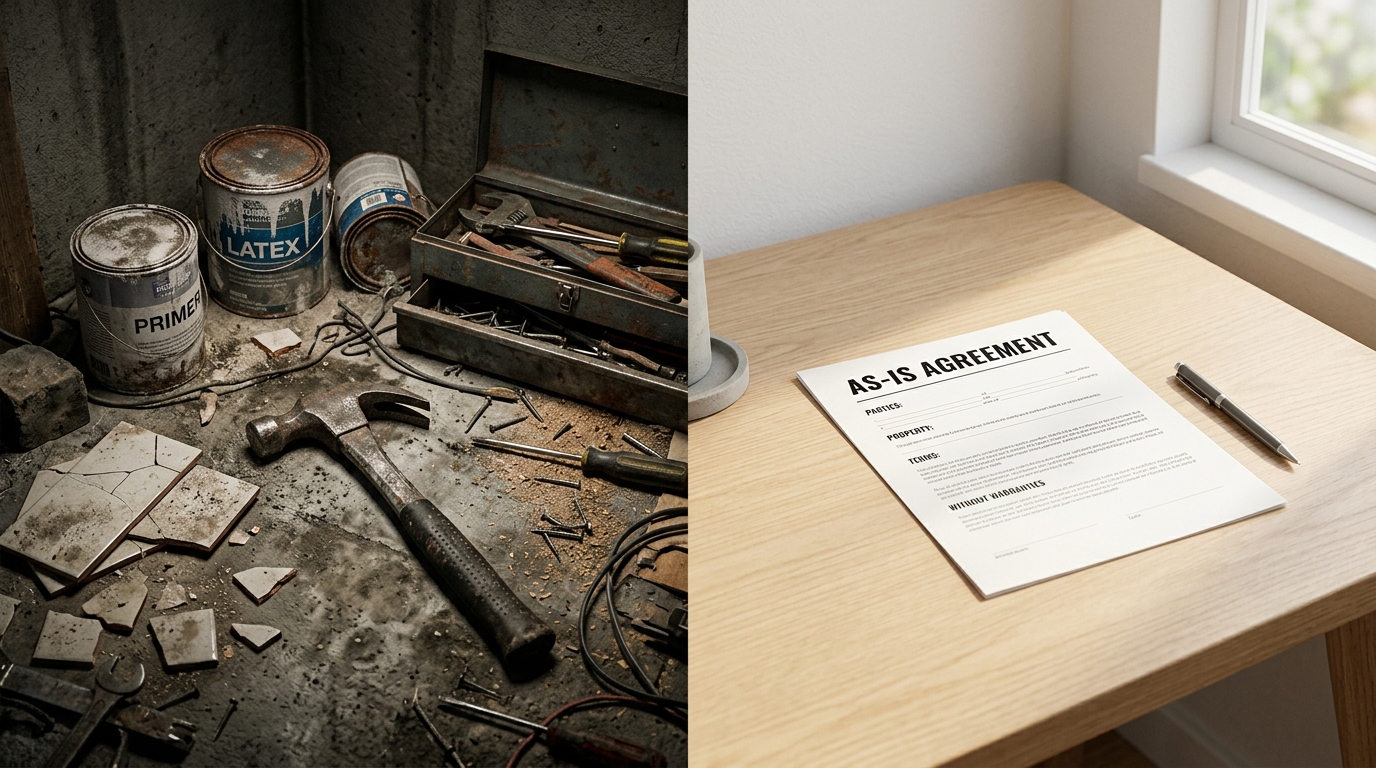
Here is a list of things sellers worry about that simply do not apply when you sell to us as-is:
- Roof repairs or replacement
- HVAC servicing or replacement
- Foundation work or structural repairs
- Electrical or plumbing updates to meet code
- Cosmetic work like painting, flooring, or landscaping
- Cleaning out the property before we visit
- Removing furniture, appliances, or personal belongings you do not want
- Fixing anything flagged by a lender appraisal
- Paying for a home inspection or pest report before listing
- Staging or photographing the property for marketing
None of those are your responsibility. You take what you want, leave the rest, and we handle everything that comes after. If you want to see how the full process works from offer to closing, our sell your property page walks through each step. And if you want to talk through your specific situation before making any decisions, reach out to our team and we will give you honest answers with no pressure.
Conclusion
Our as-is contract is not a marketing phrase with exceptions buried in the fine print. It means you sell the property exactly as it is, with no repair obligations, no credits, and no price changes after the walkthrough. You complete your required California disclosures, tell us what you know, and we take it from there. For sellers who are tired, stretched thin, or simply do not want the hassle of getting a property ready for the market, that is exactly the kind of certainty that makes a cash sale worth considering.
Frequently Asked Questions
Does selling as-is mean I do not have to disclose known defects?
No. California law requires sellers to complete a Transfer Disclosure Statement regardless of whether the sale is as-is. You must disclose known material defects that could affect the value or desirability of the property. What as-is means is that you are not required to fix those defects, not that you can hide them.
Can a cash buyer still ask for repairs after making an as-is offer?
A legitimate cash buyer who makes a genuine as-is offer will not come back with a repair list after the walkthrough. If a buyer who claimed to be buying as-is sends you a repair request after the inspection, that is a red flag about how they operate. At Buy Your Properties, our offer is based on the condition of the property as we find it, and we do not revise it based on repair findings.
What if the property has serious structural or safety issues?
We still buy it. Structural issues, safety concerns, fire damage, water damage, and deferred maintenance all fall within the range of properties we purchase. The condition affects what we offer, but it does not disqualify the property or trigger a repair requirement on your end.
Do I need to clean out the property before closing?
No. You take what you want and leave the rest. We handle the cleanout after closing. Sellers are never asked to clean, haul, or stage the property as a condition of the sale.
How is your as-is offer different from what I would get listing as-is on the MLS?
When you list as-is on the MLS, buyers can still send repair requests after their inspection contingency. Most sellers end up negotiating repairs or price reductions to keep financed buyers from walking. When you sell to us, there is no lender, no inspection contingency used against you, and no repair requests. The offer we make is the offer we close on.