
If you have pets, you know they are family. But when it comes time to sell your home, the damage they have left behind can feel like a real problem. Scratched floors, stained carpet, chewed baseboards, lingering odors. It can look bad, and you might be wondering if you have to fix all of it before anyone will even make an offer. The good news is that you have more options than you think.
What Counts as Severe Pet Damage in a Home?
Not all pet damage is equal. Some of it is easy to overlook. Some of it genuinely affects the structure or livability of the home. Understanding what kind of damage you are dealing with will help you figure out the best way to handle it before you sell.
Common Types of Pet Damage Sellers Deal With
Here are some of the most common types of pet damage that show up in homes and how serious they typically are from a buyer’s perspective.
- Urine stains and odors soaked into carpet, subfloor, or hardwood
- Scratched or gouged hardwood floors from claws
- Chewed baseboards, door frames, window sills, or drywall
- Stained or torn carpet that cannot be cleaned
- Damaged screens, doors, or fencing from pets trying to get out
- Yard damage like bare patches, holes, or worn fence lines
- Wall scratches or paint damage from pets jumping or rubbing
Of all of these, odor is usually the biggest deal breaker. A buyer can look past a few scratches, but if they walk in and immediately smell pet urine, many of them will walk right back out. That is the honest truth.
How Much Does Pet Damage Actually Affect Your Home’s Value?
The answer really depends on how bad the damage is and how motivated the buyer is. Minor pet damage, a few scratches here and there, typically has very little effect on value. But serious pet odor that has soaked into the subfloor, or floors that need full replacement, can lower your home’s value by thousands of dollars or make it harder to sell at all through traditional channels.
According to the National Association of Realtors, home condition is one of the top factors buyers consider when evaluating a property. Homes that show obvious damage or deferred maintenance consistently receive lower offers, and pet damage is no exception.
Do You Actually Need to Fix Pet Damage Before You Sell?
This is the big question, and the answer is not as simple as yes or no. It depends on how you plan to sell your home and what your priorities are.
If You Are Listing Traditionally
If you are going through a traditional agent and listing on the open market, repairs and improvements will likely have a meaningful impact on how fast your home sells and what price you get. Most buyers using mortgage financing have an appraiser visit the home, and that appraisal can be affected by visible damage.
For minor issues, a good cleaning and some fresh paint might be enough. For serious odor problems, you may need to replace carpet and possibly treat the subfloor. That can get expensive fast, but it often pays for itself in a higher sale price or a faster sale.
If You Are Selling to a Cash Buyer
This is where things get a lot easier. Cash buyers, especially companies that buy homes as-is, are fully aware that many homes have pet damage. They factor it into their offer rather than asking you to fix it. You do not have to spend thousands of dollars on repairs before the sale. You just accept the offer and move on.
If the damage in your home is severe and you do not have the money, time, or energy to repair it, selling to a cash buyer is often the most sensible path. To see how this type of sale compares to a traditional one, check out this guide on cash buyers vs. traditional home sales. And if you have a home with other kinds of issues beyond pet damage, this article on selling a home as-is covers the topic in real detail.
Repairs That Are Actually Worth Making Before a Traditional Sale
If you decide to go the traditional route and want to make some repairs, not every fix gives you the same return. Here is a practical breakdown of what tends to be worth it and what is not.
High-Return Repairs for Pet-Damaged Homes
Some repairs pay for themselves quickly because they solve the biggest buyer objections. Others are nice to have but do not move the needle much. Here is a simple comparison.
| Repair | Typical Cost | Worth It? | Why |
|---|---|---|---|
| Professional odor treatment for carpets | $200 to $500 | Yes | Odor is the number one deal breaker for buyers |
| Full carpet replacement | $1,000 to $4,000+ | Sometimes | Only if odor has soaked into the subfloor too |
| Subfloor treatment or replacement | $500 to $3,000+ | Yes if needed | Odor from subfloor cannot be masked, it has to be fixed |
| Painting walls and trim | $500 to $2,000 | Usually yes | Fresh paint makes the whole home feel cleaner |
| Floor refinishing for scratches | $1,000 to $3,000 | Maybe | Minor scratches can be disclosed, deep gouges should be fixed |
| Replacing chewed baseboards | $200 to $800 | Yes | Visible chewing damage signals bigger problems to buyers |
The Smell Problem: Why You Cannot Just Mask It
Honestly, one of the biggest mistakes I see sellers make is trying to hide pet odors instead of actually dealing with them. Plug-in air fresheners, scented candles, and heavy cleaning sprays might work for an hour. But buyers who are serious about a home will come back for a second visit, and sometimes they bring their agent or a home inspector. If the smell comes back, the deal is probably done.
The U.S. Environmental Protection Agency (EPA) notes that pet dander and urine can significantly affect indoor air quality and may be a concern for buyers with allergies or respiratory issues. Addressing the source of the problem, not just the surface, is the only real fix.
How to Sell a Pet-Damaged Home Without Spending a Fortune
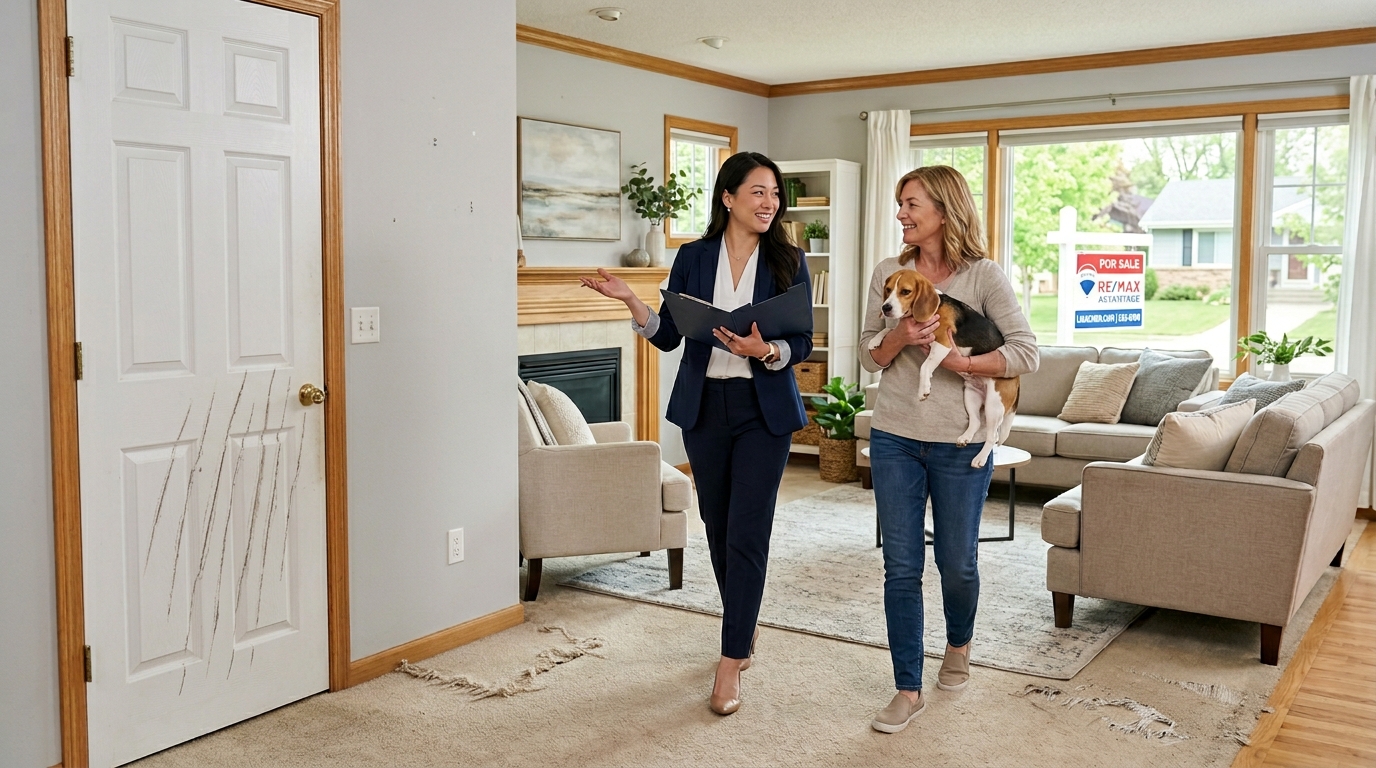
You do not have to sink tens of thousands of dollars into repairs to sell your home. There are ways to get a fair price without doing a full renovation.
Be Upfront With Buyers About the Damage
In most states, you are required to disclose known issues with your property. Being honest about pet damage from the start actually works in your favor. Buyers who know what they are getting into before they make an offer are much less likely to use the damage as a negotiating tool later. Surprises are what kill deals. Honest upfront disclosure keeps everyone on the same page.
Most real estate attorneys will tell you that full disclosure protects you legally and often speeds up the sale. If a buyer finds out about hidden pet damage after closing, you could face legal consequences. Being upfront removes that risk entirely and builds trust with the buyer from the very beginning.
Work With a Buyer Who Specializes in As-Is Purchases
This is where working with a company like ours makes a real difference. We buy homes in all conditions, including homes with serious pet damage. You do not have to clean, repair, or even remove the old carpet before we make you an offer. We assess the home as it stands and give you a fair number based on its actual condition.
If you want to see what our team does and how we work with homeowners in tough situations, visit our Cash Home Buyers Los Angeles page or get in touch through our Contact Us page. We are always happy to talk through your options with no pressure.
Preparing a Pet-Damaged Home for Any Type of Sale
Whether you are going traditional or selling to a cash buyer, there are a few simple things you can do to put your home in the best light possible without spending a lot of money.
Low-Cost Steps That Actually Make a Difference
You do not always need a full renovation to make a meaningful difference in how a home shows. Here are a few things that cost very little but can change the feel of a pet-damaged home significantly.
Start with a deep cleaning. Rent a carpet cleaner or hire a professional for a single visit. Get all pet bedding, toys, and bowls out of sight before any showing. Wash walls with a mild degreaser to remove pet oils and dander that have built up over time. Open windows where possible to air out the home before visits. These steps will not fix a serious odor problem, but they make a real difference for homes with mild to moderate issues.
When the Damage Is Beyond Cosmetic Fixes
If you have tried cleaning and the smell is still strong, or if the floors are damaged beyond what a cleaner can fix, do not keep throwing money at surface solutions. At that point, you have two realistic choices. You either commit to the full repair, which may involve subfloor replacement and new flooring, or you accept a cash offer from a buyer who will handle it themselves.
There is no shame in choosing the second option. A lot of sellers are in situations where spending $10,000 to $20,000 on repairs before the sale just is not realistic. A cash buyer can get you out of the home quickly, let you move on, and handle the renovation themselves. That is a completely valid and practical choice.
Conclusion
Selling a home with severe pet damage is absolutely possible. You just need to go in with a clear understanding of your options. If you have the budget and the time, fixing the major issues before a traditional sale can help you get a better price. But if you do not, selling to a cash buyer who purchases as-is is a completely legitimate and often very practical solution. The worst thing you can do is wait and do nothing while the home sits because you are not sure what to do. Pick a path and move forward. The right buyer for your home is out there.
Frequently Asked Questions
Will pet damage stop my home from selling?
Not necessarily. Mild to moderate pet damage can be managed with cleaning, painting, and honest disclosure. Severe damage, especially odor that has soaked into the subfloor, will affect your pool of buyers and your offers if you go the traditional route. Selling to a cash buyer is often the most effective solution for serious pet damage cases.
Do I have to disclose pet damage when selling my home?
In most states, yes. You are generally required to disclose known material defects that could affect a buyer’s decision. Pet damage that is visible or that affects livability typically needs to be disclosed. Check with a local real estate attorney or your agent to understand the specific rules in your state.
How do I get rid of pet odor before selling my home?
Professional carpet cleaning can help with mild odors, but if urine has soaked into the subfloor, you will need to treat or replace the subfloor itself. No amount of surface cleaning or air fresheners will permanently fix a subfloor odor problem. An enzyme-based cleaner applied directly to the subfloor, followed by a sealant, is usually the most effective approach before any new flooring goes down.
How much does pet damage typically lower a home’s value?
It depends on the severity. Minor cosmetic damage may have little to no effect. Serious odor problems, stained flooring, or structural damage from pets can lower your home’s value by several thousand dollars or make it harder to attract financed buyers. Getting a realistic opinion of value from a cash buyer or a local agent can help you understand where you stand.
Can I sell my home as-is with severe pet damage?
Yes, absolutely. Cash buyers and investors buy homes as-is all the time, including homes with serious pet damage. You do not need to make any repairs before selling to a cash buyer. They will factor the condition into their offer and close quickly, which is often the best outcome for sellers who cannot or do not want to make repairs before selling.