
Owning a property in California while living in another state puts you in a situation that more people face than you might expect. Whether you inherited the home, moved away for work, or simply relocated and kept the property, eventually the time comes when you need to sell. Managing that process from across the country can feel like trying to solve a puzzle with pieces scattered in two different places. The good news is that selling a California property from out of state is genuinely manageable when you know your options and plan ahead.
Why Selling a California Property from Out of State Is Harder Than People Expect
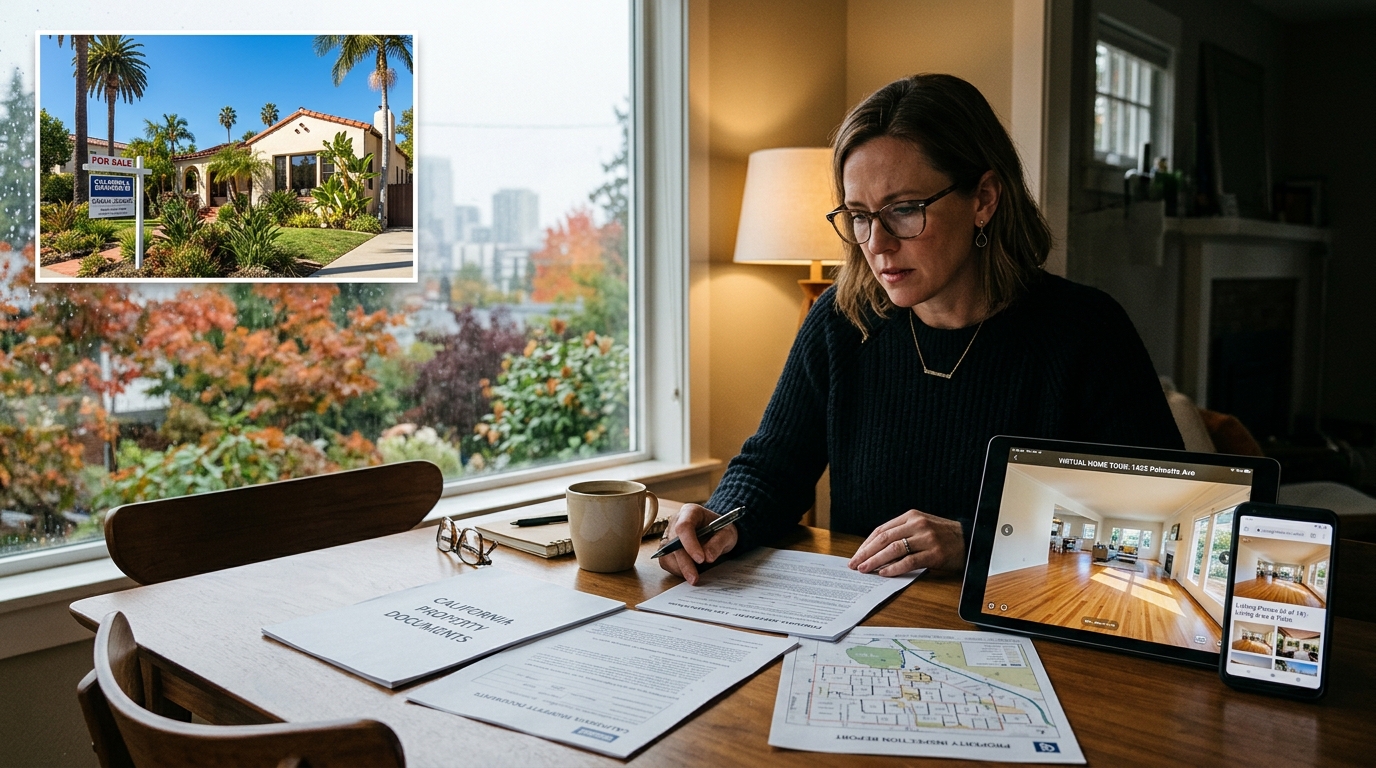
California is not a forgiving state when it comes to real estate regulations. The paperwork requirements alone can feel overwhelming even for local sellers who can walk into an office and sign things in person. For out-of-state sellers, those requirements create real logistical hurdles that need to be planned for in advance.
California Has Some of the Strictest Real Estate Laws in the Country
California requires sellers to complete a Transfer Disclosure Statement and more than 10 additional disclosure forms for most residential property transactions. These documents must accurately describe the condition of the property, any known defects, and various other material facts that buyers have a legal right to know before purchasing.
According to the California Department of Real Estate, sellers throughout the state are legally required to complete these disclosures regardless of where they currently live or whether they are present at closing. Failing to properly complete California disclosures can result in legal action from the buyer even after the sale closes, so getting this right matters. Most out-of-state sellers who go the traditional agent route end up needing a California real estate attorney as well, to make sure all the paperwork is properly completed and filed. That adds both cost and coordination to an already complex process.
The Logistical Challenges of Managing a Sale from a Distance
When you are trying to sell a California property from another state, coordinating repairs, inspections, showings, and contractor visits becomes genuinely difficult. You cannot just pop over to let someone in, check on completed work, or meet a potential buyer who wants to see the place. Everything requires a trusted local contact, a property manager, or multiple phone calls and emails to keep things moving.
Add in the time zone difference if you are on the East Coast, the ongoing cost of maintaining a property you are not occupying, and the coordination demands with agents and service providers, and you can see why many out-of-state sellers get frustrated and just want to be done with the process as quickly and cleanly as possible.
Your Main Options for Selling a California Property Remotely
Once you understand the challenges, the next question is which selling path makes the most sense for your specific situation. You have two main options, and they are very different in terms of speed, effort, and what you walk away with.
Selling to a Cash Buyer Without Traveling
Selling to a cash buyer is by far the simplest option for most out-of-state California property owners. The buyer handles the property assessment themselves, sends you a written offer, and manages the escrow and closing process. You review and sign documents remotely or by mail. In many cases, you never need to get on a plane.
Cash buyers in California purchase properties as-is, which means you do not need to coordinate repairs, hire a contractor, or make the property look good for showings. Someone who lives across the country cannot easily manage any of those things anyway, which is exactly why the as-is cash sale is so well-suited to this situation.
Most cash sales in California close in 7 to 21 days. For an out-of-state seller who has been carrying the cost of a property they are not living in, that kind of speed has real financial value. Every month of carrying costs avoided is money that stays in your pocket instead of going toward a mortgage payment on a home you are not using.
For more on how cash buyers work for out-of-state property owners specifically, see our post on why cash buyers are the best option for out-of-state property owners.
Using a Local Agent You Can Trust from a Distance
If you prefer the traditional listing route and want to maximize the sale price, working with a local California agent is a viable path. The agent can handle showings, manage repairs through a trusted contractor network, and keep you updated through calls and emails. Many agents now offer virtual walkthroughs via video call so you can see the property’s condition without flying back.
The challenge is that this route is slower, more expensive, and requires much higher coordination from your end. You will need a local contact who can be present for things the agent cannot handle, you will need to coordinate inspections and repairs remotely, and you will need to sign documents through a notary in your current state or through a remote notarization service. The process typically takes 60 to 90 days or more, during which you continue paying all the carrying costs on the California property.
How to Close on a California Property When You Are Not There
One of the most common questions out-of-state sellers have is whether they actually need to be physically present in California to close. In most cases, you do not, and here is how that works.
Remote Notarization and Signing from Another State
California allows remote notarization for certain real estate documents, which means you can review and sign your closing paperwork from wherever you currently live without needing to fly back to California. A notary in your current state can witness and certify your signature, and the documents can be mailed or couriered to the title company or escrow office in California.
Some sellers also use a power of attorney, which legally allows a trusted person in California to sign closing documents on their behalf. This is a common and accepted approach for out-of-state sellers, particularly in situations where travel is genuinely not possible or practical. Your attorney or the title company can help you set this up correctly so it is legally valid under California law.
According to the Consumer Financial Protection Bureau, the closing process for a traditional sale involves multiple document signings and approvals from various parties. A cash sale significantly reduces the number of these steps, making the remote closing process much simpler for out-of-state sellers who want to avoid the coordination burden.
To see where we operate across California, visit our Locations page. And when you are ready to get started on your out-of-state sale, our Contact Us page is the fastest way to reach us.
How California Disclosures Work When You Are Remote
California’s required disclosure forms can be completed and signed electronically or by mail from out of state. Most reputable cash buyers and real estate agents in California use digital signing platforms that allow you to complete everything from your computer or phone without printing or mailing a single page.
The most important thing to understand is that as a seller, you must disclose what you actually know about the property. If you have not been living there or maintaining it closely, you should be honest about that in the disclosures. Saying you are not aware of specific defects because you have not been present to observe them is legally acceptable, as long as you are not deliberately withholding information you actually have.
Financial Considerations Out-of-State California Sellers Need to Know
Beyond the logistics of the sale itself, there are some important financial details that out-of-state California property sellers need to be aware of before they close.
Carrying Costs and How They Add Up When the Sale Takes Months
If your California property has a mortgage, you are paying that monthly payment regardless of whether you are living there. Add in property taxes, homeowners insurance, and any HOA fees, and you could easily be spending $3,000 to $8,000 or more per month on a property you are not using. A traditional sale that takes three to four months to complete can cost you $9,000 to $32,000 or more just in carrying costs before you ever see a dime from the sale proceeds.
Here is a summary of how the two selling paths compare for out-of-state California property sellers:
| Selling Factor | Traditional Agent Sale | Cash Buyer Sale |
|---|---|---|
| Time to close | 60 to 90 plus days | 7 to 21 days |
| Repairs required | Often yes | None |
| Need to travel to California | Possibly | Usually no |
| Agent commission | 5% to 6% | None |
| Property management during sale | Required | Minimal |
| Risk of deal falling through | Moderate to high | Very low |
For more on how California sellers can close quickly and save on carrying costs, see our post on how Sacramento cash buyers save you time and money. The same math applies across all of California.
Tax Implications for Out-of-State California Property Sellers
If you are selling a California property while living in another state, you may have tax obligations in both California and your home state. California will tax any capital gains from the sale of a California property regardless of where you currently reside. Your home state may also tax those gains, though you can usually receive a credit for California taxes paid to avoid double taxation.
Additionally, if you have not lived in the property as your primary residence for at least two of the last five years, you may not qualify for the standard capital gains exclusion that allows homeowners to exclude up to $250,000 in gains from taxation ($500,000 for married couples). It is worth speaking with a tax professional before you close on the sale so you are not surprised by the tax bill that arrives afterward.
According to the California Franchise Tax Board, California has real estate withholding requirements for non-resident sellers, where a portion of the sale proceeds may be withheld at closing to cover potential state tax obligations. Consulting a tax advisor before closing is the best way to navigate these requirements accurately and avoid unexpected deductions at the closing table.
Conclusion
Selling a California property when you live out of state is a real challenge, but it is one that thousands of homeowners navigate successfully every year. The key is choosing the selling path that fits your situation, your timeline, and your tolerance for complexity. For most out-of-state sellers, a cash buyer is the fastest, simplest, and most financially sensible route, especially when you account for carrying costs, travel requirements, and the extended timelines of a traditional sale.
If you own a California property and want to explore what a remote cash sale would look like for your specific situation, reach out to us at Buy Your Properties today. We can walk you through the entire process and make you a fair, no-obligation offer without requiring you to travel back to California.
Frequently Asked Questions
Can I sell a California property if I live in another state?
Yes. You can absolutely sell a California property from out of state. Most of the paperwork can be handled electronically or by mail, and in most cases you do not need to be physically present at the closing. Selling to a cash buyer is typically the easiest option because it eliminates many of the steps that require in-person coordination on the ground in California.
Do I need to travel back to California to sell my property?
In most cases, no. Remote notarization and digital signing platforms allow you to complete almost everything from your current location. If a cash buyer is purchasing the property, they typically handle the property assessment themselves, and you do not need to be present for that. You can also designate someone with a power of attorney to sign closing documents on your behalf if needed.
How long does it take to sell a California property from out of state?
With a cash buyer, most California property sales close in 7 to 21 days. With a traditional agent listing, the timeline is usually 60 to 90 days or more, with additional time needed upfront for repairs and preparation. For out-of-state sellers, the longer timeline also means more months of carrying costs on a property you are not living in.
Do I have to pay California taxes when I sell as an out-of-state owner?
Yes. California taxes capital gains on the sale of California property regardless of where the seller currently lives. California also has withholding requirements for non-resident sellers, where a portion of the sale proceeds may be withheld at closing to cover potential state tax obligations. Speaking with a tax professional before closing is strongly recommended to avoid any surprises.
What disclosures do I need to complete as an out-of-state California property seller?
California requires sellers to complete a Transfer Disclosure Statement and several additional disclosure forms regardless of where they live. These can be completed electronically from out of state. As a seller, you must disclose what you know about the property’s condition. If you have not been present regularly to observe it, you can note that honestly while still disclosing anything you are actually aware of about the property.