
Selling a home in Malibu or Pacific Palisades is not like selling a house anywhere else. The views are stunning, the prices are high, and the rules are different. One thing that surprises a lot of sellers is how much the California Coastal Commission can affect their sale. If your property sits inside the coastal zone, you need to understand this agency and what it means for your transaction before you list.
What the California Coastal Commission Actually Is
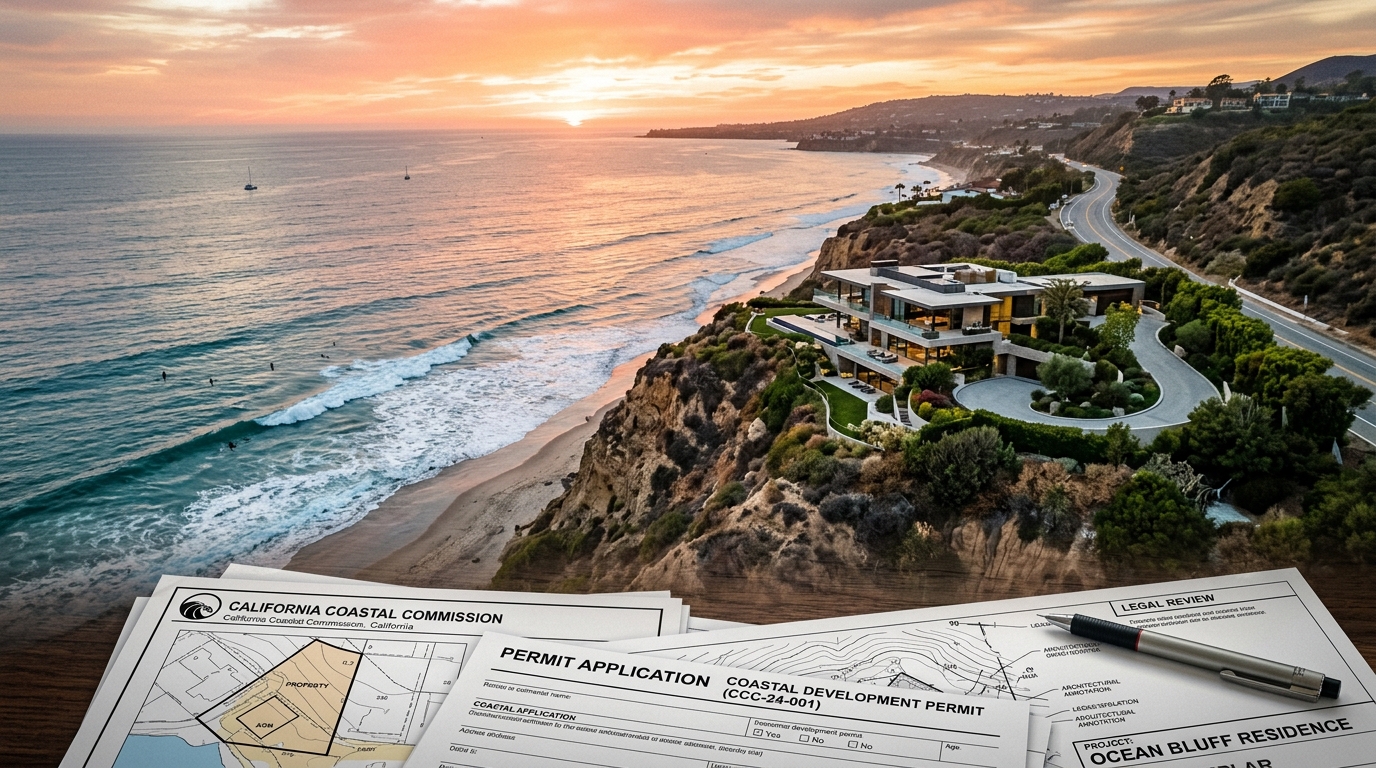
The Agency Behind the Rules
The California Coastal Commission is a state agency created in 1972. It was made permanent by the California Coastal Act of 1976. Its job is to protect the coastline, keep beaches accessible to the public, and regulate development within about 1,000 yards of where land meets the ocean at high tide.
According to the California Coastal Commission’s official website, their authority covers more than 800 miles of California coastline. That includes parts of Malibu and Pacific Palisades. If your home or land falls inside the coastal zone boundary, this agency has a say in what you can do with it.
How It Applies to Malibu and Pacific Palisades Specifically
Malibu has had a Local Coastal Program (LCP) in place since 2002. Pacific Palisades falls under the City of Los Angeles coastal jurisdiction, which has its own certified LCP segment. This means when you sell in either area, a potential buyer who wants to make changes to the property may need a Coastal Development Permit (CDP) before they can do anything.
I have talked with sellers in these areas who did not realize the buyer’s renovation plans could be held up for 2 to 5 years by the permitting process. That can affect whether a buyer moves forward at all. Knowing this up front is the difference between a smooth deal and a long delay.
What a Coastal Development Permit Means for Your Buyer
When a Buyer Will Need a Permit
A Coastal Development Permit is required for most types of development or substantial changes to a property in the coastal zone. According to information from the California Coastal Commission permit forms page, development includes not just building but also grading, clearing land, and making structural changes. Even adding a room or putting up a fence can sometimes trigger the permit requirement.
Here is where it matters most for sellers. Buyers who plan to remodel or build on the property need to factor this permit timeline into their plans. The process can take 2 to 3 years, and sometimes 4 to 5 years if there are appeals. That affects the value a buyer is willing to pay today.
What Can Buyers Do Without a Permit
Not everything requires a permit. Some small interior repairs, routine maintenance, and minor improvements are exempt. The exact list of exemptions depends on the specific LCP for your area. Both Malibu and Pacific Palisades have their own rules, so what qualifies as exempt in one area may not qualify in the other.
If you are selling and want to make your home more attractive to buyers who plan to develop, getting a clear answer on what is permitted, what is exempt, and what is restricted can help you position the sale honestly and avoid surprises late in the process. Our post on the paperwork involved in a cash sale covers how disclosures work in California and what sellers are required to share with buyers before closing.
How Coastal Zone Rules Affect the Sale Price
The Impact on What Buyers Are Willing to Pay
Here is the honest truth. Coastal zone restrictions can lower what a buyer will offer, especially if they have major renovation plans. A buyer who wants to tear down and rebuild will have to account for potentially years of permitting, legal costs, and uncertainty. That risk shows up in the offer price.
On the other hand, if your home is already built and does not require major changes, the coastal location is mostly a benefit. Buyers are paying for the views, the beach access, and the lifestyle. The commission rules become more of a concern when the home needs significant work.
Here is a simple breakdown of how coastal zone status affects different types of buyers:
| Buyer Type | How Coastal Rules Affect Them | Impact on Offer |
|---|---|---|
| Move-in ready buyer | Little impact if no changes planned | Minimal, pays for location |
| Minor renovation buyer | May need permit for some work | Small discount, slight delay |
| Major remodel buyer | Needs CDP, 2 to 5 year timeline | Significant reduction in offer |
| Tear-down and rebuild buyer | Full CDP required, lengthy review | Largest discount, most risk |
| Cash investor | Accepts as-is, avoids permit delays | Quick close, no development risk |
Why Some Sellers in Malibu Choose a Cash Buyer
Some sellers in Malibu and Pacific Palisades choose to sell directly to a cash buyer exactly because it removes all the uncertainty. A cash buyer does not need a loan approved, does not need a bank appraisal, and is typically buying the property as-is. They factor in the coastal zone rules themselves, price accordingly, and close fast.
If you want to understand what working with cash home buyers in Los Angeles looks like and whether it might make sense for your coastal property, that page walks through how the process works from start to finish.
What Sellers Need to Disclose About Coastal Zone Status
Your Legal Obligation to Disclose
California law requires sellers to disclose material facts that affect the value or desirability of the property. Coastal zone status is a material fact. If your property is inside the coastal zone, that needs to be disclosed. If there are existing permit conditions, deed restrictions, or prior coastal violations tied to the property, those also need to be disclosed.
The Natural Hazard Disclosure (NHD) report required in California will flag coastal zone status. The Transfer Disclosure Statement gives you a place to note any other known restrictions. Being upfront about all of this protects you from legal claims after the sale closes.
Things Worth Knowing Before You List
Before you list a property in Malibu or Pacific Palisades, it helps to check a few things that can affect your sale:
- Confirm whether your property is inside the coastal zone boundary using the official Coastal Commission mapping tool
- Find out if any previous owners pulled permits or if there are any unpermitted additions that could flag during escrow
- Check whether there are any existing coastal deed restrictions tied to the property from prior development approvals
- Review the specific LCP for your area to understand what improvements are allowed and which require a CDP
- Ask a real estate attorney if any current or past construction on the property could be subject to coastal enforcement
- Get a clear picture of the setback requirements that apply to your lot, especially if it is near a bluff, wetland, or the water itself
- Understand whether the property is inside a fire hazard severity zone, since post-fire rebuilding rules in areas like Pacific Palisades changed after the 2025 wildfires
According to reporting by inewsource and CalMatters, Governor Newsom temporarily suspended Coastal Commission authority over rebuilding in Pacific Palisades following the 2025 fires. This created an expedited process for fire-affected homeowners in that specific area. If your property was impacted by the fires, checking the current status of these rules is important before you sell.
How to Prepare Your Malibu or Pacific Palisades Property for Sale
Steps That Make Your Sale Cleaner and Faster
Selling a coastal property does not have to be complicated, but being prepared makes a real difference. Here are the steps I would recommend for any seller in Malibu or Pacific Palisades before they list.
First, get a title report done early. You want to know what is on title before a buyer finds it. Second, pull the permit history on the property. If there are unpermitted structures, you have time to address them or price accordingly before you list. Third, talk to a real estate attorney who knows coastal transactions. The rules in this area are specific enough that general advice is not always enough.
If you are considering selling as-is without making any improvements first, working with a cash buyer who understands coastal properties can simplify the whole process. Our team at Buy Your Properties works with sellers across the Los Angeles area and can help you understand your options without any pressure.
Working With Buyers Who Understand Coastal Properties
Not every buyer knows what they are getting into when they make an offer on a coastal property. Part of your job as a seller is to be honest about the restrictions and let qualified buyers make informed decisions. Working with a buyer who already understands the Coastal Commission rules means fewer surprises, fewer delays, and a cleaner close.
If you received a cash offer and are wondering how to handle the conversation with a current listing agent, our post on how to tell your realtor you are taking a cash offer walks through exactly how to handle that situation step by step.
Conclusion
Selling property in Malibu or Pacific Palisades comes with a unique set of rules that do not apply everywhere else in California. The California Coastal Commission, the Local Coastal Programs for each area, and the Coastal Development Permit process all shape what buyers can do with a property and what they are willing to pay for it. Knowing this ahead of time, disclosing it properly, and working with buyers who understand it fully is the best way to get through a coastal sale without surprises. If you have questions about your specific property or want to explore your selling options, reach out and we can talk through what makes the most sense for your situation.
Frequently Asked Questions
Do I need Coastal Commission approval to sell my Malibu home?
No. Selling your home does not require Coastal Commission approval. The Commission’s rules apply to development and construction, not to the sale of a property itself. However, you are required to disclose that the property is in the coastal zone, and any buyer planning to develop or modify the property will need to go through the permit process.
How long does a Coastal Development Permit take in Malibu?
The process typically takes 2 to 3 years under normal circumstances. If there are appeals or complications, it can stretch to 4 or 5 years. This is one of the main reasons buyers planning major renovations factor a discount into their offers for coastal properties.
What is the difference between a Malibu and Pacific Palisades coastal permit process?
Malibu has its own certified Local Coastal Program and the City handles most permits locally. Pacific Palisades falls under the City of Los Angeles coastal jurisdiction with its own LCP segment. Both areas still have Coastal Commission oversight for certain appeals and uncertified areas, but the day-to-day permitting process runs through the local city in most cases.
Does coastal zone status affect the sale price?
It depends on the buyer’s plans. For buyers who want to move in without making changes, coastal status is mostly a benefit because of the location and views. For buyers who plan significant renovations or a rebuild, the permit timeline and restrictions can reduce what they are willing to offer. Understanding your buyer’s goals helps you price and market the property appropriately.
Are Pacific Palisades fire rebuild properties exempt from Coastal Commission rules?
Governor Newsom issued an executive order suspending Coastal Commission authority over fire rebuild projects in Pacific Palisades following the 2025 wildfires. This was intended to speed up recovery for property owners. However, rules in this area are subject to change, so checking the current status with a local real estate attorney before you sell is recommended.