
You get a great offer on your home. You sign the contract. You start making plans. And then the buyer’s inspector finds foundation problems. Suddenly the deal is on life support. This is not a rare story in Southern California. It plays out every week, and most sellers never see it coming.
Foundation issues are one of the most serious obstacles in the SoCal real estate market. The region’s soil conditions, seismic activity, and aging housing stock make these problems common. And once they show up in a home inspection, the sale almost always gets complicated.
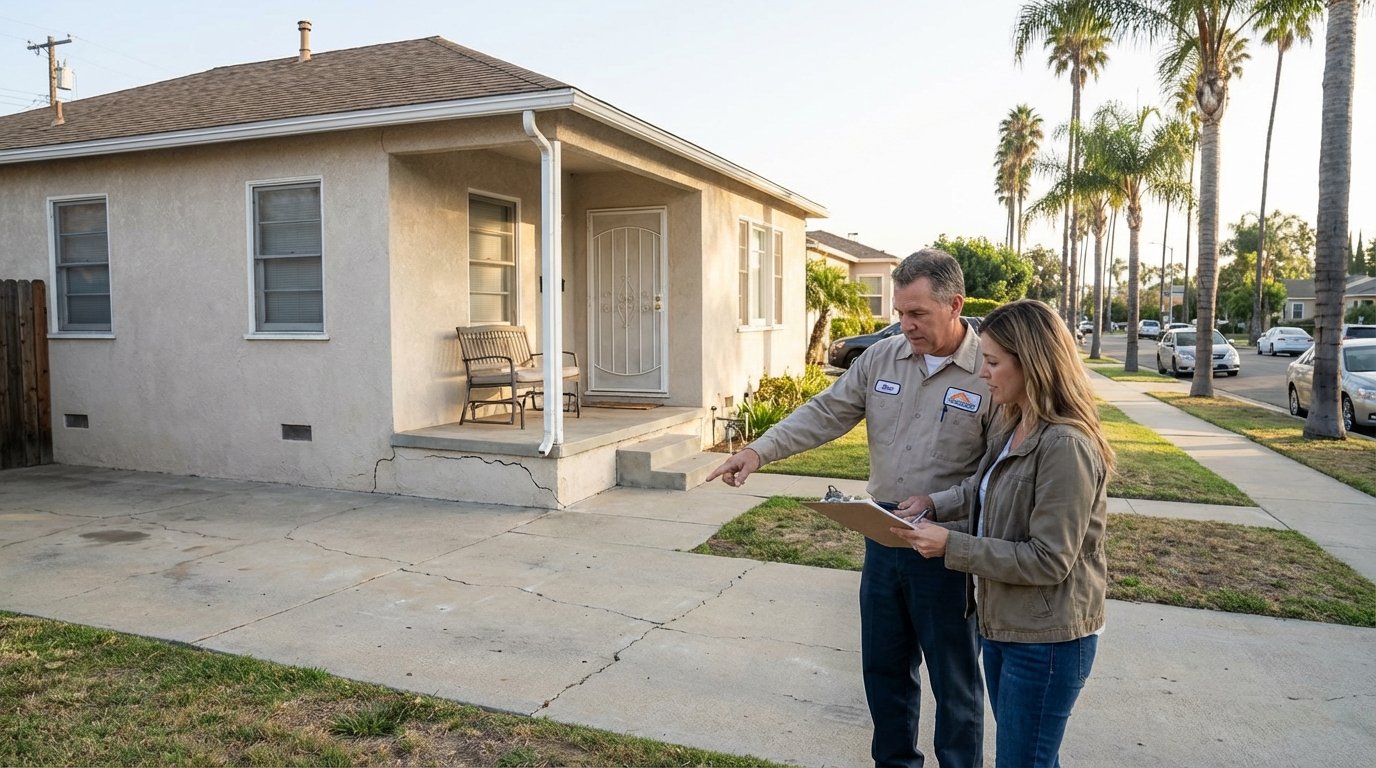
Why Southern California Homes Are So Prone to Foundation Problems
SoCal has a unique combination of factors that put homes at higher risk. The clay-rich soil throughout Los Angeles, San Diego, and surrounding counties expands when it gets wet and shrinks when it dries out. This constant movement puts stress on the foundation over and over, year after year.
According to The Foundation Works, California’s seismic activity creates ongoing foundation stress, and expansive clay soils common in parts of Southern California can cause foundation movement costing $5,000 to $15,000 or more to address. The 2019 California Building Code also requires specific seismic retrofitting standards, which can add another $4,000 to $10,000 on top of that.
And then there are the older homes. Many properties in LA, Riverside, and San Bernardino were built decades ago. The foundations under them were not designed for today’s building standards. Small problems from back then have had years to grow into serious ones.
The Warning Signs Buyers and Inspectors Look For
I have walked through many homes in Southern California, and the signs of foundation trouble are usually visible if you know what to look for. Buyers and their inspectors catch these things quickly. And once they do, the conversation about price and repairs begins immediately.
Here are the most common signs that will raise red flags during any home inspection:
- Cracks in stucco or drywall, especially near corners of doors and windows
- Doors or windows that stick, do not close fully, or have visible gaps around the frame
- Floors that slope or feel uneven when walking across them
- Separation between walls and ceilings or between walls and floors
- Horizontal cracks in foundation walls, which indicate serious structural pressure
- A chimney that appears to be leaning or pulling away from the house
- Visible cracks in the concrete slab or basement floor
Even if a seller has lived in the home for years without noticing these things, a trained inspector will spot them. Once flagged, the buyer’s lender gets involved too.
How Foundation Problems Block Traditional Financing
This is where things get really painful for sellers in SoCal. A foundation issue does not just create a negotiation headache. It can completely block the sale from moving forward at all if the buyer is using a mortgage.
FHA and VA loans are particularly strict. According to guidance from Foundation Fixed, FHA and VA loans will not fund until foundation repairs are completed and certified. You cannot simply negotiate a credit and close. The actual work must be done and professionally documented before the lender releases any money. This means if your buyer is using government-backed financing and your home has foundation problems, you either fix them before closing or the deal dies.
Conventional loans can be slightly more flexible, but lenders still order appraisals that flag structural problems. An appraiser who notes foundation concerns will often require a licensed structural engineer’s inspection before the loan gets approved. That inspection costs $500 to $1,500 extra and can delay closing by weeks.
What Foundation Repairs Actually Cost in Southern California
Here is where sellers often get hit with unexpected numbers. Foundation repair in SoCal costs significantly more than in other parts of the country, because labor rates are higher and the work often requires specialized equipment and engineering oversight.
According to 2025 pricing data published by This Old House, foundation repair costs vary widely based on the severity and type of damage:
| Type of Foundation Problem | Typical Repair Cost in SoCal | Impact on Sale |
|---|---|---|
| Hairline or minor cracks | $500 to $2,500 | Usually manageable |
| Horizontal cracks in walls | $5,000 to $10,000+ | Often blocks FHA/VA loans |
| Stair-step cracks | $7,500 to $15,000+ | Major negotiation issue |
| Foundation settling or sinking | $15,000 to $45,000+ | Often kills the sale |
| Full foundation replacement | $50,000 to $150,000+ | Deal rarely survives |
On top of the repair cost, California requires professional engineering assessments for major foundation work, adding $1,500 to $3,000 more. Hillside properties or homes with limited equipment access can increase those costs by another 25 to 50%.
California’s Disclosure Laws Make Hiding It Impossible
Some sellers think they can avoid this whole conversation by just not mentioning the problem. That is a serious legal mistake in California.
Sellers in California are legally required to disclose all known material defects, including foundation problems. Selling a home as-is does not change this. You can sell a house with a crumbling foundation as-is, but you must disclose it in writing. If you hide a crack by painting over it or fail to mention a known problem, the buyer can sue for repair costs, legal fees, and in rare cases force you to take the home back through a process called rescission.
This is not a gray area. It is a major reason why foundation issues cannot simply be swept under the rug in a SoCal sale.
Why Cash Buyers Are the Best Path When Foundation Problems Exist
Sellers who discover foundation issues before listing face a real choice. Fix the problem and spend $10,000 to $50,000 or more, wait months for the work to be done, and hope the sale holds together. Or find a buyer who does not depend on a lender’s approval.
Cash buyers purchase homes as-is. There is no lender involved, no appraisal that flags structural problems, and no FHA or VA loan officer who requires repairs before funding. The buyer already knows the condition of the home and has priced accordingly. You disclose the issue, agree on terms, and close.
This is how many SoCal sellers with foundation problems actually get out from under a difficult property without spending a fortune first. The offer may be below what you would get with a fully repaired home. But when you factor in the cost of repairs, the months of waiting, and the risk of another deal falling apart after all that work, the cash path often makes far more financial sense.
We cover the full comparison of your selling options in our post on real estate agent vs cash buyer and which is right for you.
And if you want to understand how the numbers work out when your home has condition issues, check out our breakdown of why a lower cash offer can net you more than a higher listing price. The math often surprises people.
If your SoCal home has foundation problems and you want to understand your options without pressure, reach out through our contact page. We buy homes throughout the Los Angeles area regardless of condition and give you a straight, honest offer.
Conclusion
Foundation issues are among the most deal-killing problems a SoCal seller can face. They block FHA and VA financing, trigger expensive engineering requirements, shrink the buyer pool to almost nothing, and can legally expose you to lawsuits if not properly disclosed. The soil conditions and seismic activity throughout Southern California mean these problems are more common here than in most other parts of the country.
If you have foundation problems, the smartest move is usually to find a buyer who does not need a mortgage. A cash buyer removes the lender from the equation completely and gives you a clear, certain path to closing on your own timeline.
Frequently Asked Questions
Can I sell a house with foundation problems in California?
Yes, but you are legally required to disclose the problem in writing. Selling as-is is allowed in California, but it does not protect you from disclosure requirements. If you hide a known foundation issue, the buyer can sue for repairs and legal costs. Most traditional buyers and their lenders will walk away from a home with serious foundation damage unless the repairs are completed first.
How much does foundation repair cost in Southern California?
Costs vary widely depending on the type and severity of the problem. Minor cracks can cost $500 to $2,500. Horizontal cracks or settling foundations can run $5,000 to $45,000 or more. Full foundation replacement can exceed $100,000. SoCal labor rates and California’s engineering requirements typically push costs 30 to 50% higher than the national average.
Will foundation issues block a mortgage approval?
Yes, especially for FHA and VA loans. These government-backed loans require that foundation repairs be fully completed and certified before the loan is funded. Conventional loans can be more flexible but lenders still require structural engineering reports, which add cost and time to the process.
Why are foundation problems so common in Southern California?
SoCal’s expansive clay soil expands when wet and contracts when dry, putting constant stress on foundations. The region’s earthquake activity adds seismic stress on top of that. Many older homes were built before today’s stricter building codes, meaning small problems from decades ago have had years to get worse.
What is the fastest way to sell a SoCal home with foundation issues?
Selling to a cash buyer is the fastest and most reliable option. Cash buyers do not use mortgage financing, so there are no lender requirements, no appraisal flags, and no FHA or VA repair mandates. You disclose the problem, agree on a price that reflects the condition, and close in as little as 7 to 21 days.