
Why Traditional Buyers Are So Hard to Please
You listed your home. You cleaned it up, maybe painted a wall or two, and you waited. Then the showings started. And with them came the feedback. One buyer thought the kitchen was too small. Another wanted you to fix the roof before they even made an offer. A third walked through, said nothing, and disappeared forever.
If this sounds familiar, you are not alone. Selling to a traditional buyer in today’s market can feel like auditioning for a show where nobody told you the rules. And the drama rarely stops at the showing stage.
What Makes Traditional Buyers So Demanding
Most buyers using a mortgage are under pressure from two directions at once. Their lender has rules about what they will finance. And their agent is telling them to negotiate hard to protect their client. That combination creates a buyer who is looking for every possible reason to ask for more.
When a home inspection comes back with findings, and they almost always do, the repair requests start coming in. Buyers ask for fixes to the roof, the HVAC, the electrical panel, the water heater. Some ask for credits instead of repairs. A few try to renegotiate the sale price entirely based on inspection results.
And even after all that, the deal can still fall apart. The buyer’s financing gets denied. The appraisal comes in too low. The buyer gets cold feet two days before closing. According to data from the National Association of Realtors, a meaningful share of real estate contracts are delayed or terminated each month due to financing issues, appraisal problems, and inspection disputes.
The Emotional Toll of Dealing with Picky Buyers
I once spoke with a seller who had her home under contract three separate times. Each time, the deal fell apart. The first buyer got nervous and backed out. The second had a financing issue at the last minute. The third demanded so many repairs that the seller finally said no.
She was exhausted. She had been keeping her home showroom-clean for four months. She had paid for two additional inspections out of her own pocket just to get ahead of buyer demands. And she still had not sold.
That is the emotional cost nobody talks about. The stress, the uncertainty, the feeling that you have no control over when or whether your home actually closes.
How Cash Buyers Are Different From the Start
A cash buyer operates completely differently from a mortgage buyer. There is no lender setting conditions. There is no appraisal requirement. And in most cases, there are no long lists of repair requests before a deal moves forward.
Cash buyers, especially real estate investors and companies like Buy Your Properties, look at your home as it is. They understand that properties have wear and tear. They build that into their offer rather than coming back to you with a list of demands after signing a contract.
This matters more than most sellers realize. Here is a quick comparison of what the two types of sales typically look like.
| Factor | Traditional Buyer (Mortgage) | Cash Buyer |
|---|---|---|
| Financing risk | High (can fall through) | None |
| Inspection demands | Often many repair requests | Usually as-is |
| Appraisal required | Yes | No |
| Closing timeline | 30 to 60 days or more | 7 to 21 days |
| Repairs needed | Often yes | No |
| Deal fall-through risk | Common | Very low |
No Appraisal Means No Surprises
One of the most frustrating things in a traditional sale is when the home appraises below the agreed price. The lender will not finance more than the appraised value. So either the buyer makes up the difference in cash, you lower the price, or the deal dies.
With a cash buyer, there is no appraisal contingency. The buyer and seller agree on a price and stick to it. That one difference alone removes a huge source of last-minute drama and renegotiation.
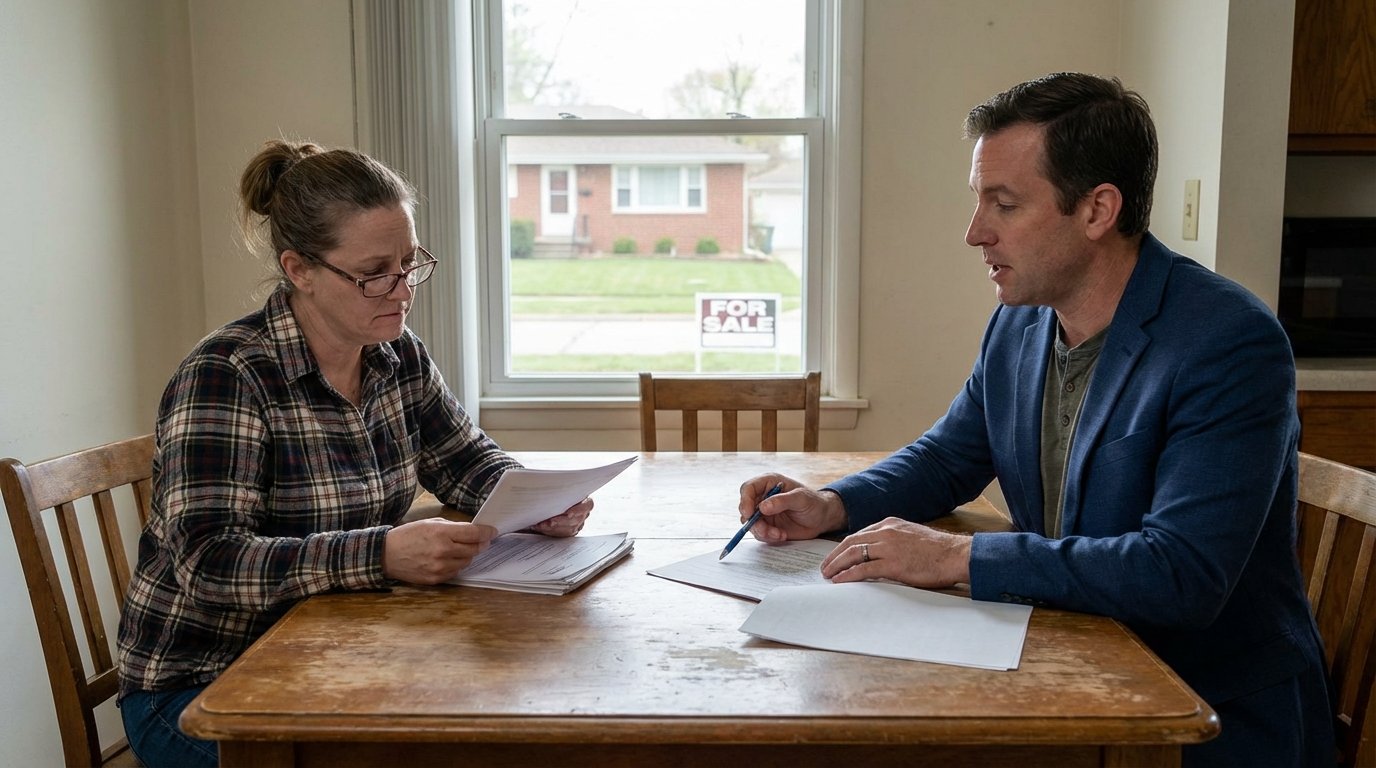
What Picky Buyers Actually Cost You Beyond Just Stress
The drama of dealing with a demanding buyer is not just emotional. It has real financial consequences too.
Here are some of the ways picky buyers can chip away at what you take home:
- Repair credits or price reductions after inspection findings
- Cost of repairs you agree to do before closing
- Extended time on market leading to more mortgage payments on your end
- Re-listing costs if a deal falls through
- Carrying costs like utilities, property taxes, and insurance during a long sale
- Emotional decision-making that leads to accepting a worse deal just to end the process
All of these costs add up fast. A sale that looks good on paper at $400,000 can end up netting far less once you account for months of delays, repair work, and a lower final price after negotiations.
We covered the financial side of this in detail in our post on why a lower cash offer can net you more than a higher listing price. The math often surprises people.
Why Cash Sales Close Faster and With Less Back and Forth
Speed is one of the biggest advantages of a cash sale. Most cash transactions close in 7 to 21 days. A traditional mortgage sale takes 30 to 60 days on average, and that is when things go smoothly. When they do not, it can stretch to 90 days or longer.
That matters because every extra week your home sits under contract is another week of uncertainty. The deal could still fall through. And if it does, you go back to square one, usually to a market that has moved on.
According to research published by Opendoor, conventional home sales often involve complex chains of contingencies that can delay or derail the closing process entirely. Cash buyers cut through all of that.
We have seen this firsthand. Many of the homeowners who come to us at Buy Your Properties have already been through a failed traditional sale. They want certainty, not another round of showings and negotiations. A cash offer gives them that.
Is a Cash Sale Right for You?
Not every seller needs to skip the traditional market. If your home is in great condition, you are in no rush, and your local market is hot, working with an agent might still make sense.
But if you are dealing with any of the following, a cash sale is worth considering seriously:
- Your home needs repairs you cannot afford or do not want to manage
- You need to move quickly due to job relocation, divorce, or financial hardship
- You have already had a sale fall through and you are done with the uncertainty
- You are tired of keeping the home show-ready and dealing with strangers walking through
- You want to know exactly when you will close and move on with your life
For many sellers, the certainty of a cash offer is worth more than chasing a slightly higher price through the traditional route. And once you subtract commissions, carrying costs, and repair concessions from that higher price, the net difference is often smaller than it looks.
You can learn more about how we evaluate homes and make offers by visiting our contact page. We are happy to walk you through what a cash offer looks like for your specific situation.
Also worth reading is our breakdown of real estate agent vs cash buyer and which is right for you, which covers this comparison in even more depth.
And if your home is a fixer-upper or has been sitting on the market, our guide on listing a fixer-upper vs selling to a developer is also useful reading before you decide.
Conclusion
Dealing with picky buyers is one of the most frustrating parts of selling a home the traditional way. The endless showings, the inspection demands, the last-minute financing failures. It all adds up to a process that is stressful, slow, and uncertain.
A cash sale removes most of that drama in one step. No appraisal. No repair demands. No waiting months to find out if the deal actually closes. You get a real offer, a real closing date, and the freedom to move forward without the back and forth.
According to the U.S. Bureau of Labor Statistics, the real estate market continues to evolve, and more sellers are choosing faster, simpler paths to closing. For good reason. Sometimes the best sale is the one that actually happens.
Frequently Asked Questions
What makes traditional buyers so demanding compared to cash buyers?
Traditional buyers rely on mortgage financing, which means their lender has strict requirements about the property’s condition and appraised value. This leads to more inspection demands, appraisal contingencies, and repair requests. Cash buyers do not have a lender involved, so they can move quickly and accept homes as they are.
Can a cash buyer really close in 7 to 14 days?
Yes. Without the need for mortgage approval, appraisals, or lengthy inspection negotiations, cash sales can close very quickly. The timeline depends on the title search and any local requirements, but 7 to 21 days is common for cash transactions.
Do I have to make repairs before selling to a cash buyer?
Usually no. Most cash buyers purchase homes in as-is condition. They factor the repair costs into their offer rather than asking you to fix things first. This is one of the biggest advantages for sellers who cannot or do not want to manage repairs before closing.
Will I get less money selling to a cash buyer?
The offer may be slightly below the top of market, but once you subtract real estate commissions, repair costs, and carrying costs from a traditional sale, the net difference is often small or even in favor of the cash sale. It is worth running the real numbers before deciding.
What if my home already fell through with a traditional buyer?
That is actually one of the most common reasons sellers come to us. A failed sale is frustrating and costly. A cash buyer gives you a clean start with a firm offer and a defined closing date, so you are not going through the same uncertainty again.