
Owning a multi-family property in Los Angeles is a smart investment. But selling one? That’s a whole different story — especially when you have tenants living there. The good news is that it’s completely possible to sell your duplex, triplex, or apartment building in LA without turning the lives of your tenants upside down. You just need to know the rules and plan ahead.
Why Selling With Tenants Is Different in Los Angeles
LA is one of the most tenant-friendly cities in the country. The city has its own Rent Stabilization Ordinance (RSO), which applies to buildings built before October 1978. Under the RSO, landlords must pay relocation assistance ranging from $8,750 to $22,050 depending on tenant status if they pursue a no-fault eviction.
On top of that, state law under the California Tenant Protection Act (AB 1482) provides statewide rent control and just cause eviction protections for many properties. Buyers who purchase your building take it on with all existing tenant rights intact. This matters because it affects how buyers value the property and what they plan to do with it.
Understanding all this upfront — before you even think about listing — puts you in a much stronger position as a seller.
What Is the LA Rent Stabilization Ordinance and Why It Matters to Sellers
The Los Angeles RSO is key. If your building is covered, rent increases are capped, and evictions require just cause. This means a buyer can’t simply buy your building, raise the rents overnight, and push people out. That stability can actually be a selling point to the right buyer — long-term tenants with below-market rents represent upside potential to an experienced investor.
According to HomeLight’s guide on landlord selling with tenants in California, California has one of the highest median home sale prices in the country, with a median sale price of $884,050 as of mid-2025, and more buyers than homes available. That means your multi-family property has real demand — you just need the right approach.
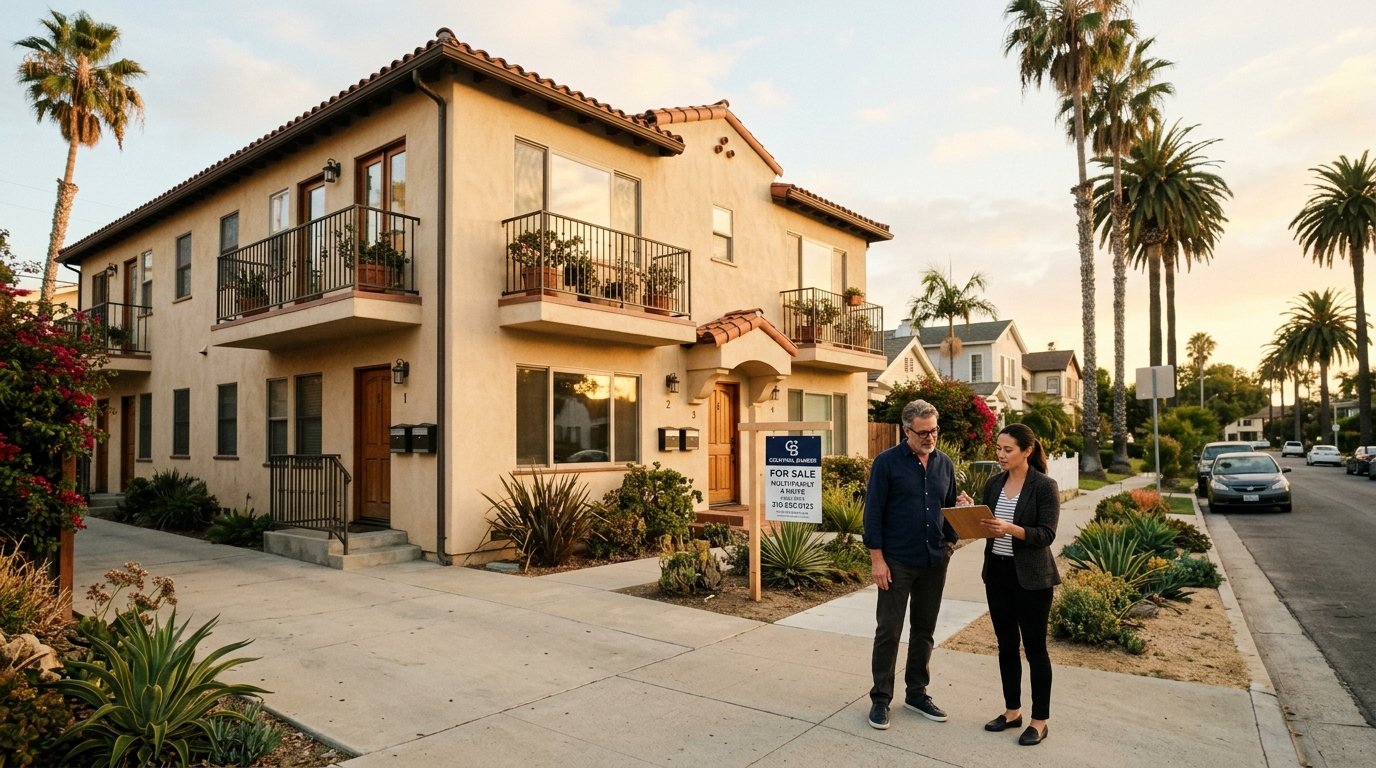
Your Three Main Selling Paths for an LA Multi-Family Property
There are three main ways to sell your multi-family building in LA. Each one has trade-offs when it comes to tenant disruption, price, and speed.
Option 1: On-Market Listing Through a Broker
This is the traditional route. A commercial real estate broker lists your property on public platforms like CoStar, LoopNet, or the MLS. You get maximum exposure to buyers, which can lead to competitive bidding if the market is strong.
The downside? It usually takes longer. Repeated showings can disrupt your tenants’ daily lives. And if your property has below-market rents, deferred maintenance, or code violations, being fully exposed on the open market can invite buyers who use those issues to push your price down.
Option 2: Off-Market or Pocket Listing
This keeps things quiet. Your broker circulates details privately to a select network of investors without a public listing. You get some professional marketing support, and there’s far less tenant disruption since showings are limited and controlled.
I think this is often the best choice for buildings with long-term tenants who have been there for years. You protect the relationship. You keep things dignified. And you still reach serious buyers — just not the general public.
Tenant Rights During a Sale: What LA Law Requires
Here’s something every landlord selling in LA must know: your tenants have rights during the sale process, and ignoring them can create serious legal problems.
Notice Requirements Before Showings
California law requires you to give 24-hour advance notice before entering a rental unit for showings. All showings must happen at reasonable hours. You can’t schedule a viewing at 7 AM on a Saturday — that won’t go well legally or practically.
Here’s a quick look at your key obligations during the sale:
| Requirement | California State Law | Los Angeles RSO |
|---|---|---|
| Showing notice | 24 hours minimum | Same |
| No-fault eviction notice | 30 days (under 1 year tenancy) | 60 days minimum |
| Relocation assistance | Required for many no-fault cases | $8,750–$22,050 depending on tenant |
| Rent increase cap | 5% + CPI (max 10%) under AB 1482 | Annual % set by city for RSO units |
| Just cause eviction | Required for covered properties | Required for all RSO properties |
The Los Angeles Tenant Anti-Harassment Ordinance also prohibits pressuring tenants to vacate during a sale. Be careful here. Even well-intentioned conversations can cross a line if tenants feel pressured.
What Happens to Tenant Leases After the Sale?
This is a very common question from sellers. According to DocDraft’s California Tenant Rights guide, fixed-term leases must be honored by the new owner until they expire. Month-to-month tenancies can be ended with proper notice, but local rent control ordinances — like the LA RSO — may add extra protections.
In other words, the new buyer takes on the tenants and the lease terms as they are. Make sure your buyer knows this going in so there are no surprises at closing.
How to Minimize Tenant Disruption During the Sale Process
Here’s where I’ve seen sellers make or break the experience for everyone involved. A little courtesy goes a long way.
Simple Steps That Keep Tenants on Your Side
- Tell tenants early — not the legal minimum, but early enough that they’re not surprised by strangers showing up
- Schedule showings in blocks — consolidate viewings to two or three times rather than spreading them over weeks
- Be transparent about what’s happening and who potential buyers are
- Offer a small token of appreciation (like covering one month’s utilities) to tenants who cooperate with showings
- Use an as-is cash buyer when possible — this can eliminate showings entirely
- Keep communication respectful and in writing so there’s a clear record of your notices
One seller I know in Koreatown took 20 minutes to sit down with each of his five tenants before listing. He explained the situation honestly and answered their questions. Every tenant cooperated perfectly with the sale. It closed in 45 days with zero drama.
The Case for Selling to a Cash Investor Directly
For many multi-family property owners in LA, the cleanest and fastest route is selling directly to a cash investor. No MLS listing. No public showings. No strangers walking through your tenants’ homes. The buyer already understands tenant-occupied properties and the LA rental market.
Cash sales can close in as little as a few weeks. And because the sale is quiet, your tenants can continue their daily lives with barely any change until ownership transfers. If you want to skip the realtor commission headache too, check out the hidden costs of selling with a realtor in Los Angeles to see why more and more owners are choosing this path.
Preparing Your Multi-Family Property for Sale the Right Way
Preparation matters, even if you’re selling as-is. Here’s what buyers look for when evaluating an LA multi-family investment property.
Documents and Information Buyers Will Want
Serious investors will want to see:
- Current rent rolls showing what each unit pays vs. market rate
- Copies of all lease agreements
- A breakdown of utilities — who pays what
- Records of any code violations or open permits
- Recent maintenance records or repair receipts
- Property tax statements and operating expenses
- Any REAP (Rent Escrow Account Program) status if applicable
According to The Beverly Group’s guide on selling LA apartment buildings, experienced investors are willing to purchase properties with challenges like outstanding code violations or low rents — but only when sellers are fully transparent. Trying to hide issues almost always backfires and delays or kills the deal.
What Adds Value to Your LA Multi-Family Property
Even small things make a difference to savvy buyers. Separate gas and electric meters that allow tenants to pay their own utilities are a major plus. Interior upgrades like dishwashers, laundry hookups, and air conditioning justify higher rents. And lot size matters if there’s potential for ADU additions or zoning upgrades.
You don’t need to do a full renovation. But being able to point to the upside potential of the property — what a buyer can do with it over time — is what makes investors open their wallets.
1031 Exchange: A Smart Tax Move When Selling Multi-Family
If you’re selling one investment property and planning to buy another, a 1031 exchange lets you defer your capital gains taxes by reinvesting proceeds into a like-kind property. This is a powerful strategy for multi-family sellers in LA. For a deep dive into how it works, read our guide on 1031 Exchange rules for real estate investors.
Want to know what a fair offer looks like for your property before you decide anything? Contact us here and we’ll give you a no-pressure consultation and a clear picture of your options.
Conclusion
Selling a multi-family property in Los Angeles with tenants in place doesn’t have to be disruptive or stressful. With the right approach — respecting tenant rights, communicating clearly, and choosing the best sale path for your situation — you can close a deal and protect your relationship with the people living in your building. Whether you go on-market, off-market, or straight to a cash investor, what matters most is planning ahead and staying informed.
Frequently Asked Questions
Can I sell my LA multi-family property while tenants are still living there?
Yes, absolutely. You do not need to evict tenants before selling. The new buyer takes ownership with the tenants in place. Their existing lease agreements and rights under the LA RSO continue after the sale.
Do I have to tell my tenants I’m selling the property?
You are legally required to give 24-hour notice before entering units for showings. While you’re not legally required to tell them you’re selling before you list, it’s strongly recommended. Open communication reduces tension and makes the process smoother for everyone.
What is the LA Rent Stabilization Ordinance and does it affect my sale?
The LA RSO applies to most buildings built before October 1978. It limits rent increases and requires just cause for evictions. It affects your sale because buyers must honor these rules, which impacts how they value the property. Buildings with below-market rents often appeal to investors who see long-term upside.
How much relocation assistance do I have to pay if I evict a tenant before selling?
Under the LA RSO, relocation assistance for no-fault evictions ranges from $8,750 to $22,050 depending on the tenant’s status, length of tenancy, and whether they are elderly or disabled. This is a significant cost to factor into your planning.
Is selling to a cash investor the best option for tenant-occupied multi-family properties?
For many sellers, yes. A direct cash sale eliminates public showings, speeds up the closing timeline, and avoids the disruption of a traditional listing. Cash investors experienced in LA multi-family properties understand the tenant situation and can close quickly without the usual complications.