
Most sellers believe they have to pour money into their home before putting it on the market. New floors, a fresh coat of paint, maybe even a full kitchen remodel. But here’s the truth — a lot of that spending is unnecessary. When you sell your house as-is, you skip the repairs, save the cash, and still close the deal. Let me show you what that actually means in practice.
What Does “Selling As-Is” Actually Mean?
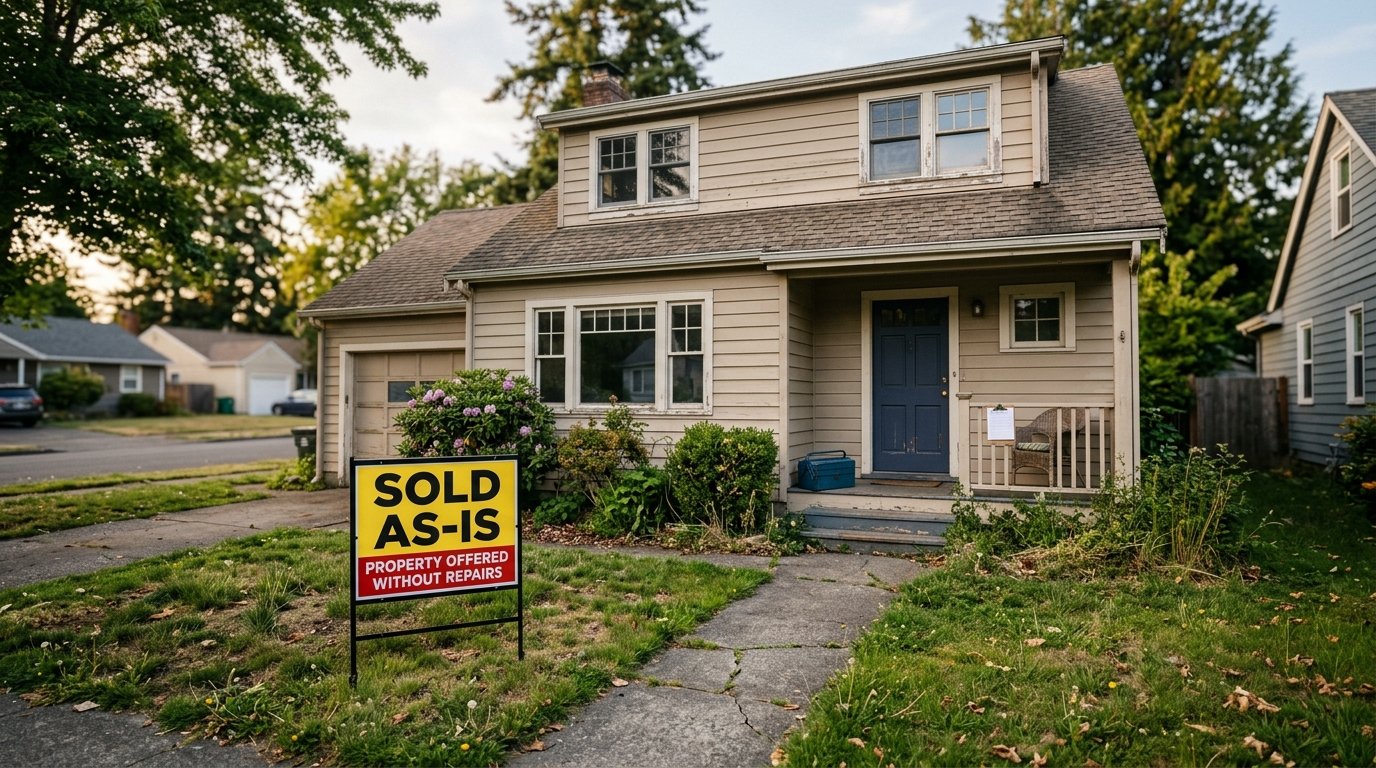
When you sell a home as-is, you’re telling buyers: “This is the home in its current condition. I’m not making any changes before closing.” It doesn’t mean you’re hiding anything or being dishonest. It just means the buyer takes the home the way it is today.
You still have to follow your state’s disclosure laws. In California, that means telling buyers about any known material defects — things like roof damage, foundation issues, water damage, and so on. Selling as-is does not let you skip disclosures. It only means you won’t fix those issues before selling.
According to Ramsey Solutions, in 2024 the average fixer-upper sold for about $283,000 — 29% below move-in ready homes. But that discount isn’t always a loss. For many sellers, the money saved on repairs more than makes up for the lower price.
Why Sellers Choose to Skip Repairs
I’ve talked to dozens of sellers who made the decision to sell as-is — and almost every one of them said the same thing: “I just didn’t want the headache.” Honestly, that’s a completely valid reason.
Hiring contractors, getting estimates, scheduling work, managing timelines, and then waiting for the job to be done right? That whole process can take months. And there’s no guarantee the repairs will add as much value as they cost. Sometimes, the smartest move is just to skip it entirely.
Here’s a quick look at the most common situations where selling as-is just makes sense:
- You inherited a property and don’t want to spend money maintaining or fixing a home you never planned to own.
- You’re going through financial difficulty and don’t have the cash upfront for repairs.
- You need to move fast — a new job, a divorce, or a health issue won’t wait for a renovation timeline.
- The repairs would cost more than they’re worth. Some issues, like foundation cracks or outdated electrical systems, cost tens of thousands to fix but don’t add that much to the sale price.
- You’re a landlord done with the property and want out without investing another dollar.
What You Actually Don’t Have to Fix When Selling As-Is
This is where it gets interesting. Sellers often assume they need to fix everything. But when you’re selling to a cash buyer or targeting the right market, a lot of things simply don’t matter. Here’s what you can leave exactly as it is:
Cosmetic Issues Are Almost Never Worth Fixing
Peeling paint, dated wallpaper, old carpet, worn countertops, scratched floors — these are all cosmetic. They look bad in photos, sure. But cash buyers and investors don’t care. They’re going to renovate the place anyway. You spending $15,000 on a kitchen refresh just means the buyer gets a nicer kitchen for the price they already planned to pay.
Cosmetic updates rarely give you full return on investment in an as-is sale. Save that money.
Major Systems That Are Old But Still Working
If your HVAC is 15 years old but still blowing cool air, you don’t need to replace it before selling. Same goes for water heaters, older plumbing, and electrical panels that aren’t dangerous but aren’t new either. Cash buyers factor these costs into their offer. They know what they’re getting into and they price accordingly.
Replacing a working HVAC system before a cash sale is one of the most common money-wasting moves sellers make. Don’t do it.
| Item | Fix Before Selling? | Why? |
|---|---|---|
| Cosmetic paint & wallpaper | No | Buyers will redo it anyway |
| Old carpet or flooring | No | Low ROI in as-is sale |
| Aging but functional HVAC | No | Factored into offer price |
| Outdated kitchen or bathrooms | No | Investors prefer to renovate |
| Cracked foundation | Disclose, don’t fix | Too costly, offset by lower price |
| Roof damage | Disclose, don’t fix | Factored into cash offer |
| Safety hazards (no railing, etc.) | Fix if possible | Liability & lender requirements |
Who Buys Homes As-Is — And Why They Want Yours
Here’s something most sellers don’t realize: there’s a whole market of buyers who specifically want as-is homes. These aren’t desperate buyers. They’re often experienced investors or house flippers who make their living finding properties just like yours.
Real Estate Investors and House Flippers
Investors look for homes they can buy below market, renovate, and resell at a profit. To them, your outdated kitchen and aging roof aren’t problems — they’re opportunities. The worse the condition, the more they can usually save on the purchase price, which gives them more room to make money on the flip.
If you’re selling a home that needs real work, investors are your ideal buyers. They won’t back out because the bathroom tiles are cracked. They’ll just factor it into their renovation budget.
For a detailed look at how to price your home effectively in any condition, check out our guide on choosing the perfect listing price for your home.
Cash Buyers and iBuyers
Many cash home buyers and iBuyers (like Opendoor and Offerpad) buy homes in as-is condition too. They make offers quickly, don’t require you to fix anything, and can close in as little as 7 to 14 days.
According to a report by U.S. News & World Report, buyers looking to renovate are increasingly scooping up as-is homes in today’s tight inventory market. That’s good news for sellers who don’t want to spend time or money on repairs.
If you want to understand how to get the most out of a cash sale for an as-is home, our post on high-ROI home improvements before selling can help you identify the rare cases where a small fix is actually worth it.
The As-Is Sale Process: What It Looks Like Step by Step
Selling as-is is not complicated. It just looks a little different from a traditional sale. Here’s what you can expect:
Step 1: Know What You’re Disclosing
Before you do anything, make a list of every known issue with the property. A leaking roof, structural damage, water intrusion, mold — all of it needs to be disclosed. This protects you legally and builds trust with serious buyers.
You can even get a pre-listing inspection done (just to know what’s there) without fixing anything. It shows buyers you’re being upfront — and upfront sellers close deals faster.
Step 2: Target the Right Buyers
You want your home in front of investors, flippers, and cash buyers — not buyers who need a move-in ready home for their family. The wrong audience will waste your time. The right audience will make an offer fast.
Make sure your listing or marketing makes clear that the home is being sold as-is. That filters out tire kickers and brings in serious buyers who are ready to move quickly.
According to Pennymac, as-is homes are especially attractive to investors in a competitive market because they offer both a lower price and faster closing — two things professional buyers love.
Step 3: Accept and Close Fast
Once you accept a cash offer, things move quickly. No waiting for mortgage approval. No 45-day escrow timeline. Most as-is cash sales close in 7 to 14 days — sometimes faster.
The buyer handles the paperwork. You show up, sign, and receive your funds. That’s really it.
Want to see what this process looks like in action? Contact us today and we’ll give you a no-obligation cash offer on your home — in any condition.
Conclusion
Selling your home as-is is a legitimate, smart strategy — especially when the cost of repairs outweighs the benefit. You don’t have to fix every crack, update every room, or stress about getting the house into showroom condition. Disclose what you know, target the right buyers, and let the market do its job. You’ll save time, save money, and close with a lot less stress than the traditional route.
Frequently Asked Questions
Do I still need to disclose problems if I’m selling my home as-is?
Yes. Selling as-is does not mean you can hide issues. In California and most other states, you’re still legally required to disclose all known material defects to the buyer. The “as-is” designation just means you won’t fix them before closing.
Will I lose a lot of money selling my home as-is?
Not necessarily. You’ll likely get a lower offer than a fully renovated home, but you’ll save on repair costs, agent commissions, staging, and months of holding costs. For many sellers, the net result is very close to — or even better than — a traditional sale.
What types of repairs should I still make before an as-is sale?
Focus only on safety issues — like a broken stair railing or exposed wiring — that could create liability or make financing impossible for the buyer. Most cosmetic repairs and major system replacements are not worth doing before an as-is sale.
Can I get a good cash offer for a home that needs a lot of work?
Yes. Cash buyers and investors specifically look for homes that need work. They factor in repair costs and make offers based on the as-is value. You won’t get full market value, but you’ll get a fair offer without spending a single dollar on renovations.
How do I find buyers who want to purchase my home as-is?
The best way is to connect with cash home buyers, real estate investors, or iBuyers directly. Make sure your listing or inquiry clearly states the home is being sold as-is. This filters out traditional buyers and brings in motivated, prepared investors who are ready to close fast.