
Something is changing in American homes. More families are sharing roofs again — grandparents, parents, adult kids, and even siblings all living under one roof. It’s not a trend born out of failure. It’s a smart, practical choice that millions of people are making on purpose. And it’s reshaping the entire real estate market.
What Is Multi-Generational Housing and Why Is It Growing?
A multi-generational home is one where two or more adult generations live together. That might mean grandparents moving in with their adult children, a young couple sharing a house with parents, or adult siblings splitting a large property.
This living arrangement is growing fast — and the numbers show it clearly. According to the National Association of Realtors (NAR) 2025 Generational Trends Report, 17% of all homes purchased in 2024 were multi-generational, up from just 11% in 2021 — the highest share NAR has ever recorded.
The Key Numbers Behind This Shift
Today, more than 59 million Americans live in homes shared by multiple adult generations. That’s nearly 18% of the entire U.S. population. And it’s still climbing.
The homeownership rate for multi-generational households now stands at 74.2% — actually higher than for other family household types at 73.9%, according to data from the National Association of Home Builders. That’s a flip from just a decade ago, when multi-generational households lagged behind in homeownership.
Who Is Choosing Multi-Generational Living?
It’s not just one group. Gen X buyers lead the way, with 21% purchasing multi-generational homes in 2025. Younger millennials and older boomers are following closely. In 2024, a notable 36% of buyers cited cost savings as their main reason for going multi-generational.
Caregiving is the second biggest reason. As the Baby Boomer generation ages, their adult children — often called the “Sandwich Generation” — are stepping in to help. They’re caring for aging parents while also raising their own kids. Living together makes that balancing act much easier.
Why Families Are Choosing to Live Together
Let’s be honest — housing in America is expensive. Mortgage rates rose sharply in 2022 and have stayed high. Home prices climbed. And for young adults just starting out, affording a place of their own has become genuinely difficult.
Financial Benefits That Make Real Sense
- Shared mortgage and bills — splitting costs between two or more earners makes housing more affordable
- Built-in childcare — grandparents helping with kids saves thousands in daycare costs each year
- Elder care savings — having aging parents at home avoids expensive assisted living facilities
- Multiple income earners — more than 25% of multi-generational buyers have three or more people contributing income
- Bigger buying power — combined finances allow families to buy in better neighborhoods
- Reduced debt stress — younger buyers can pay off student loans faster with lower living costs
Millennials earn roughly $10,000 less than their parents did at the same age when adjusted for inflation, while home prices have soared. Multi-generational living is one of the most practical responses to that gap.
Emotional and Family Reasons People Don’t Always Say Out Loud
Beyond money, there’s something else happening. Families are choosing to be close together — not just because they have to, but because they want to. I’ve talked with families who made this choice and said it changed their lives for the better. Kids growing up with grandparents nearby. Parents who feel safer and less alone. Siblings who finally get to spend real time together.
In 2025, 27% of multi-generational buyers said their primary reason was adult children moving back home. Another 21% said their adult children had simply never left. These aren’t failures — they’re families adapting to a world that’s changed around them.
What to Look For in a Multi-Generational Home
Not every house works for multi-generational living. You need more than square footage. You need thoughtful layout and the right features to give everyone privacy and independence while still sharing a home.
Must-Have Features for Multi-Generational Homes
| Feature | Why It Matters |
|---|---|
| Separate entrances | Privacy and independence for each generation |
| In-law suite or ADU | A self-contained space for parents or adult kids |
| Multiple bathrooms | Reduces morning conflicts and sharing stress |
| Main-floor bedroom | Accessibility for seniors who can’t use stairs |
| Wide doorways | Wheelchair and mobility aid access |
| Dual kitchens or kitchenettes | Allows cooking independence for each household |
Buyers today are prioritizing homes with flexible layouts, Accessory Dwelling Units (ADUs), and separate living zones. According to the U.S. Census Bureau’s Building Permits Survey, ADU construction continues to grow as demand rises, with states like California offering up to $40,000 in grants for pre-construction ADU costs.
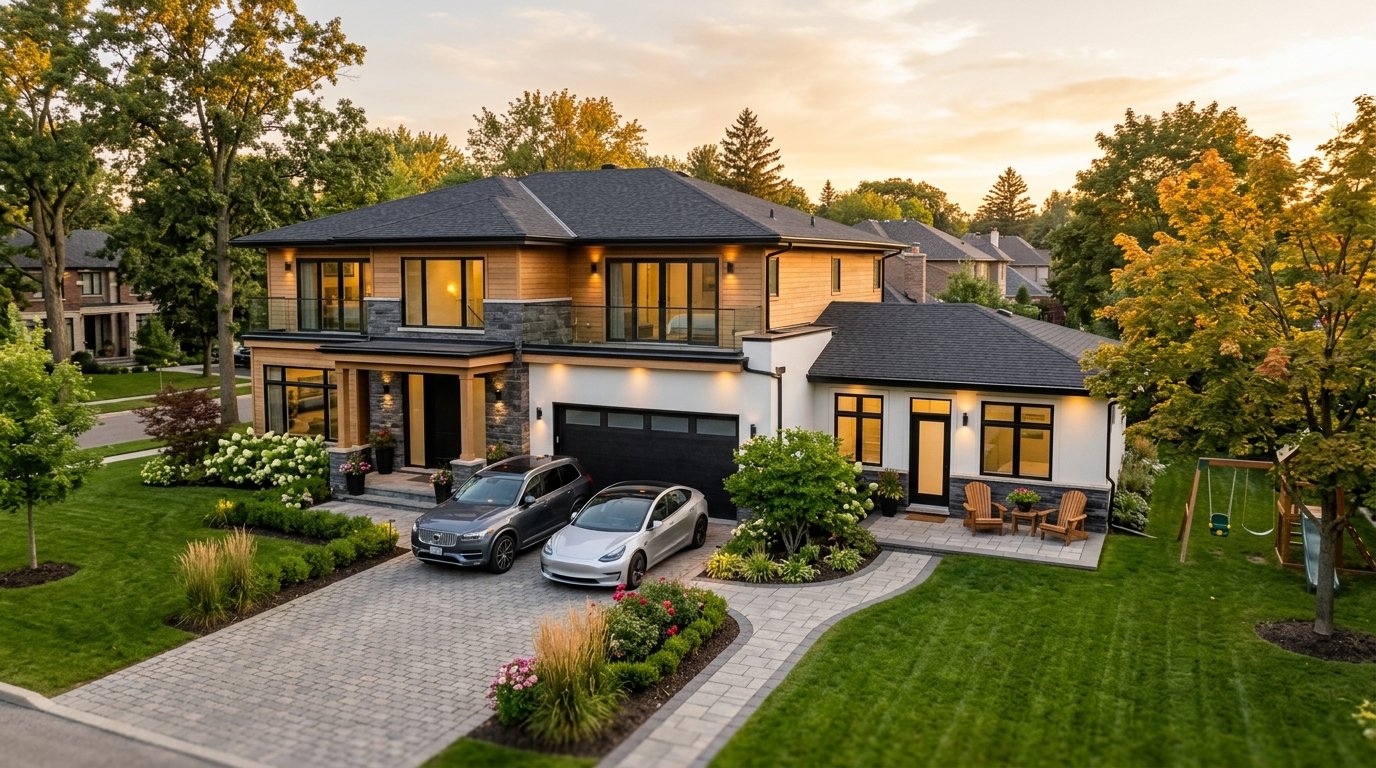
Where to Find the Best Multi-Generational Properties
Suburban and secondary markets are seeing the strongest demand for multi-generational homes. Large-footprint homes in areas with good schools, medical access, and lower property taxes tend to work best for extended families.
Before you buy, check local zoning laws. Some areas have strict rules about in-law suites or converted spaces. What’s allowed in one county might not be in the next. Get clarity before you fall in love with a floor plan.
If you’re exploring how to structure your home purchase, read our guide on buying a home with zero down payment and how to negotiate effectively as a buyer. For personalized help finding the right multi-generational property, feel free to reach out to our team.
Challenges of Multi-Generational Living (And How to Handle Them)
Living with family sounds great in theory. In practice, it takes real communication, clear boundaries, and planning. Honestly, most families who struggle do so because they never set expectations before moving in together.
Setting Boundaries and Planning for the Long Term
Have conversations about finances, shared spaces, household responsibilities, and what happens if someone needs to move out. Talk about estate planning early — what happens to the home if an older family member passes away? These conversations are uncomfortable, but skipping them creates much bigger problems later.
The NAR notes that the biggest lifestyle challenges in multi-generational homes center on privacy, noise, and differing daily routines. Having separate living areas — even basic ones — reduces friction significantly.
Also check out our overview of seller disclosure requirements by state to understand what sellers must tell you before you buy, which matters especially when purchasing larger multi-unit or multi-family properties.
Is Multi-Generational Living Right for Your Family?
If your family gets along reasonably well, has a shared financial goal, and can commit to open communication — this lifestyle can be deeply rewarding. It’s not just about saving money. It’s about building something together.
If your family dynamics are already strained, though, be realistic. More square footage won’t solve relationship problems. Make sure the living arrangement makes sense emotionally, not just financially.
Conclusion
The rise of multi-generational housing is one of the most meaningful shifts in American real estate right now. Driven by rising housing costs, aging parents, and a genuine desire to be close to family, more households are choosing to live together — and doing so by design. If you’re thinking about going this route, focus on homes with flexible layouts, check your zoning rules, have honest family conversations early, and plan for the long term. Done right, it can be one of the best housing decisions your family ever makes.
Frequently Asked Questions
What is a multi-generational home?
A multi-generational home is one where two or more adult generations live together under the same roof — such as parents, adult children, and grandparents sharing a house.
How common is multi-generational living in the US?
It’s very common and growing. According to NAR’s 2025 report, 17% of homes purchased in 2024 were for multi-generational households, and more than 59 million Americans currently live in this type of arrangement.
What are the financial benefits of multi-generational living?
Families can split mortgage payments, utility bills, and childcare costs. Multiple income earners also give the household stronger buying power and more financial flexibility.
What features should a multi-generational home have?
Look for separate entrances, in-law suites or ADUs, multiple bathrooms, main-floor bedrooms for seniors, wider doorways for accessibility, and ideally a second kitchen or kitchenette.
What challenges come with multi-generational living?
Privacy, noise, and differing routines are the most common issues. Setting clear boundaries, having open conversations about finances and responsibilities, and choosing a home with separate living areas all help reduce friction.