
When I first heard the term “multi-family investing,” I pictured big apartment buildings owned by huge corporations. It felt out of reach. But then I found out that a simple duplex — a house split into two units — counts as a multi-family property. That changed everything for me.
If you’ve been thinking about getting into real estate but don’t know where to start, multi-family home investing might be one of the smartest first moves you can make. You live in one unit, rent out the other, and let your tenants help pay your mortgage. Simple in concept, powerful in practice.
What Is a Multi-Family Property?
Types of Multi-Family Properties You Should Know
A multi-family property is any building that has more than one separate living unit. That could mean two units, four units, or fifty. But for beginners, the most useful types to know are the smaller ones:
- Duplex: Two separate units in one building. This is the most beginner-friendly option.
- Triplex: Three units. More rental income, a bit more management.
- Fourplex: Four units. Still considered residential by most lenders, which makes financing easier.
- Apartment buildings (5+ units): These cross into commercial financing territory, which means different loan rules.
Most beginners start with a duplex or triplex. You can use a regular residential mortgage (like an FHA loan) on properties with up to four units, which is a big advantage. Once you go to five units or more, you need commercial financing — which is harder to get and more expensive.
How Multi-Family Differs from Single-Family Investing
Single-family homes are simpler. One roof, one tenant, one set of utilities. But multi-family properties do something that single-family homes can’t — they generate income from multiple units at once. If one tenant moves out, you still have income from the other units while you look for a replacement.
That’s called vacancy risk reduction. With a single-family rental, when the tenant leaves, your income goes to zero. With a fourplex, losing one tenant means you’re still at 75% occupancy. That’s a much safer position to be in, especially if you’re just starting out and every dollar counts.
Why Multi-Family Investing Is Great for Beginners
House Hacking: Live for Free (or Close to It)
Here’s the strategy I love most for first-time investors: house hacking. You buy a duplex, move into one unit, and rent out the other. Your tenant’s rent covers part — sometimes all — of your mortgage payment. You’re essentially living at a huge discount while someone else helps build your equity.
I talked to a young couple who bought a duplex in a mid-size Midwest city. They moved into the smaller unit, rented the larger one for $1,400/month, and their total mortgage was $1,650. They were paying just $250 a month to live in their own home and build equity at the same time. You can’t beat that as a starting point.
According to Rocket Mortgage’s overview of multifamily homes, multifamily properties make up about 31% of all housing units in the U.S., showing just how common and accessible this type of investing is for everyday buyers.
Multiple Income Streams from One Purchase
Another big advantage is having more than one income stream from a single property. Instead of collecting rent from one tenant, you’re collecting from two, three, or four. If you’re strategic about how you buy — looking for properties with strong rental demand in the area — you can often cover your mortgage and expenses and still have cash left over.
This leftover money is called positive cash flow, and it’s the goal every investor aims for. It means the property is paying you, not the other way around. Even $200 or $300 a month in positive cash flow adds up to real money over time, and it compounds as rents rise year after year.
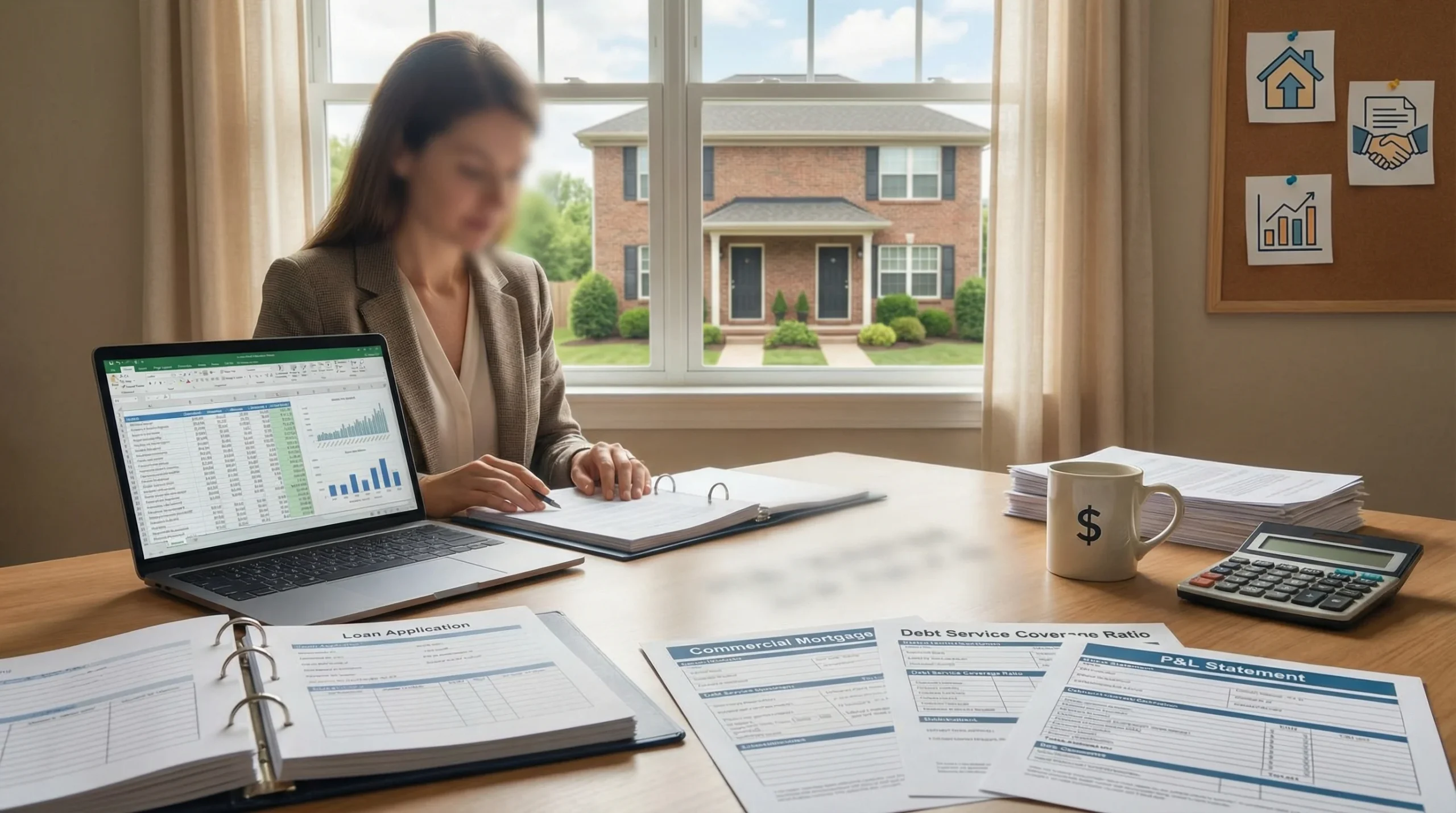
How to Finance a Multi-Family Property
Loan Options for Beginners
Financing is often the biggest concern for new investors. The good news is that for 2-4 unit properties, you have access to most of the same loan programs as a regular home buyer. Here’s a quick look at what’s available:
| Loan Type | Min. Down Payment | Units Allowed | Owner-Occupied Required? |
|---|---|---|---|
| FHA Loan | 3.5% | Up to 4 | Yes |
| Conventional Loan | 5–25% | Up to 4 | No (but better terms if yes) |
| VA Loan | 0% | Up to 4 | Yes |
| Commercial Loan | 20–35% | 5+ | No |
For beginners who plan to live in one unit, an FHA loan is often the best starting point. You can get in with just 3.5% down, which makes the entry barrier much lower. The catch is you have to live in the property as your primary residence — at least for the first year.
According to LendingTree’s guide on buying a multifamily home, lenders may also require you to have 3 to 6 months of cash reserves after closing — meaning enough saved to cover your mortgage payments without any rental income coming in. That’s a smart cushion to have anyway.
Using Rental Income to Qualify for the Loan
Here’s a benefit most beginners don’t know about — lenders will often count a percentage of the projected rental income from the other units when calculating how much you can borrow. This is called “rental income offset” and it can significantly increase your buying power.
For example, if the non-owner units are expected to bring in $2,000/month, a lender might count 75% of that ($1,500) as income when approving your loan. That could allow you to qualify for a much larger property than you’d get with just your salary alone. It’s one of the hidden advantages of buying multi-family instead of single-family.
What to Look for When Buying a Multi-Family Property
Location, Rents, and the Numbers That Matter
The most important factor in any rental investment is location. You want a property in an area where people want to rent — close to jobs, schools, public transit, or city centers. A beautiful triplex in a town where nobody wants to live will never cash flow the way you need it to.
Once you have a property in mind, run the numbers. The key metric is cap rate (capitalization rate), which tells you how much income the property generates relative to its price. A cap rate of 5–8% is generally considered good for residential multi-family in most markets. You also want to look at gross rent multiplier (GRM) and the operating expense ratio to get a full picture of profitability.
If you’re new to real estate and aren’t sure how to evaluate your first property purchase, our First-Time Home Buyer Guide 2026 covers the basics of evaluating properties and understanding your financial position before you buy.
Inspect Everything — Especially in Older Buildings
Multi-family properties — especially older ones — can have big, expensive problems hiding behind the walls. Plumbing, electrical, roofing, and HVAC issues can cost tens of thousands to fix. A proper home inspection is not optional. For a multi-family property, consider hiring a commercial inspector who specializes in multi-unit buildings, not just a standard home inspector.
I learned this the hard way (well, through someone else’s hard experience). A friend bought a triplex without getting a full inspection on all three units. One unit had a hidden water leak that had been slowly rotting the subfloor. The repair cost $18,000 and wiped out her first year of profits. Don’t skip the inspection to save a few hundred dollars.
Managing Your Multi-Family Investment
Self-Managing vs. Hiring a Property Manager
Once you own the property, you have two choices: manage it yourself or hire a property management company. Self-managing saves you money — property managers typically charge 8–12% of monthly rent. But it takes time, patience, and the ability to handle tenant issues calmly.
If you’re living in one of the units, self-managing is often practical because you’re right there. You can handle small issues quickly and keep an eye on the property daily. As you buy more properties or move out, hiring a manager starts to make more sense.
Whether you decide to manage it yourself or bring in help, understanding what goes into property management will help you make better decisions as an owner. And if you have questions about how to get started or what to expect as a new real estate investor, feel free to contact us — we’re happy to help.
Setting Up Systems Early
Even with just two or three units, it pays to be organized from the start. Use a separate bank account for the rental income. Keep receipts for every repair and expense — these are tax deductions. Use a standard lease agreement for every tenant. Document the condition of each unit with photos at move-in and move-out.
These habits seem like overkill at the beginning, but they save you from major headaches down the road. Good records protect you if a tenant disputes a security deposit. Clear lease terms prevent misunderstandings. A dedicated bank account makes tax filing easy.
If you ever find yourself dealing with a property that has existing issues like squatters or unauthorized occupants — which can happen with multi-family properties — our guide on buying property with tax liens gives you insight into navigating complicated ownership situations from the start.
Common Mistakes Beginners Make (and How to Avoid Them)
Overpaying and Underestimating Expenses
The biggest mistake beginners make is overpaying for a property because they fall in love with it. Remember: in investing, you make your money when you buy, not when you sell. If you pay too much upfront, it can take years before the property actually makes financial sense.
The second biggest mistake is underestimating expenses. A lot of new investors think about the mortgage and that’s it. But real ownership costs include property taxes, insurance, maintenance, repairs, vacancy periods, and possibly property management fees. A good rule of thumb is to set aside 40–50% of gross rental income for all operating expenses. Whatever’s left is your real profit.
According to PropertyClub’s guide on multi-family real estate investing, using the income cap approach when evaluating multi-family properties helps investors avoid overpaying by anchoring the purchase price to the actual income the property generates — not just market trends or emotional appeal.
Not Screening Tenants Properly
Bad tenants can destroy your investment. Late payments, property damage, and eviction costs can easily wipe out an entire year of profits. Screening tenants properly — checking credit, income, rental history, and references — is one of the most important things you’ll do as a landlord.
Don’t rush to fill a vacancy just because you’re anxious about the empty unit. A month of vacancy costs you one month of rent. A bad tenant can cost you 6–12 months of rent plus legal fees and repairs. Take the time to find the right person.
And if you ever want to step back from being a landlord and sell your multi-family property, our sell your property page explains how the process works and what your options are.
Conclusion
Multi-family home investing is one of the best entry points into real estate for beginners. It lets you live affordably through house hacking, build equity faster, and create multiple income streams from a single purchase. The key is to start small, run the numbers carefully, screen your tenants well, and treat the property like a business from day one. You don’t need to be rich to start — you just need the right strategy and the patience to do it right.
Frequently Asked Questions
What is the best type of multi-family property for a first-time investor?
A duplex is usually the best starting point. It’s simple to manage, qualifies for residential financing like FHA loans, and lets you live in one unit while renting the other. Triplexes and fourplexes are good next steps once you have some experience.
Can I use an FHA loan to buy a multi-family property?
Yes. FHA loans can be used for properties with up to four units, as long as you plan to live in one of them as your primary residence. The minimum down payment is 3.5% with a credit score of 580 or higher. This makes it one of the most accessible ways into multi-family investing.
How much money do I need to start multi-family investing?
It depends on the property price and loan type. With an FHA loan on a $300,000 duplex, you’d need about 3.5% down ($10,500) plus closing costs and reserves. Using rental income to offset your loan costs can also increase what you’re approved for, which helps if your personal income alone isn’t high enough.
How do I know if a multi-family property is a good deal?
Look at the cap rate, gross rent multiplier, and monthly cash flow after all expenses. A cap rate of 5–8% and positive monthly cash flow (even $200–300/month) are good signs. Also check the location, tenant quality, and condition of the building before committing.
What are the risks of multi-family investing for beginners?
The main risks are overpaying for the property, underestimating operating expenses, bad tenants, and unexpected repair costs. You can manage these by running the numbers carefully before buying, getting a full inspection, screening tenants thoroughly, and keeping a cash reserve for maintenance and vacancies.